What Happened
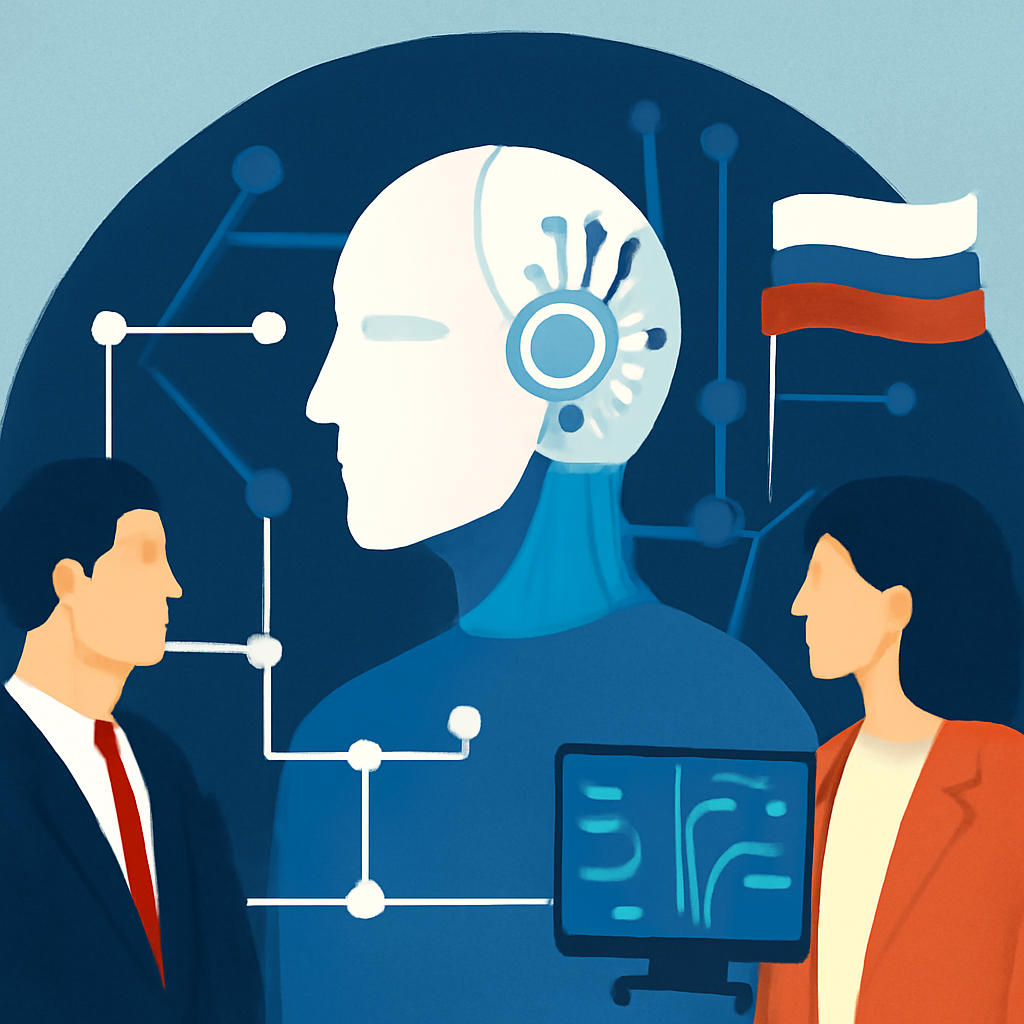
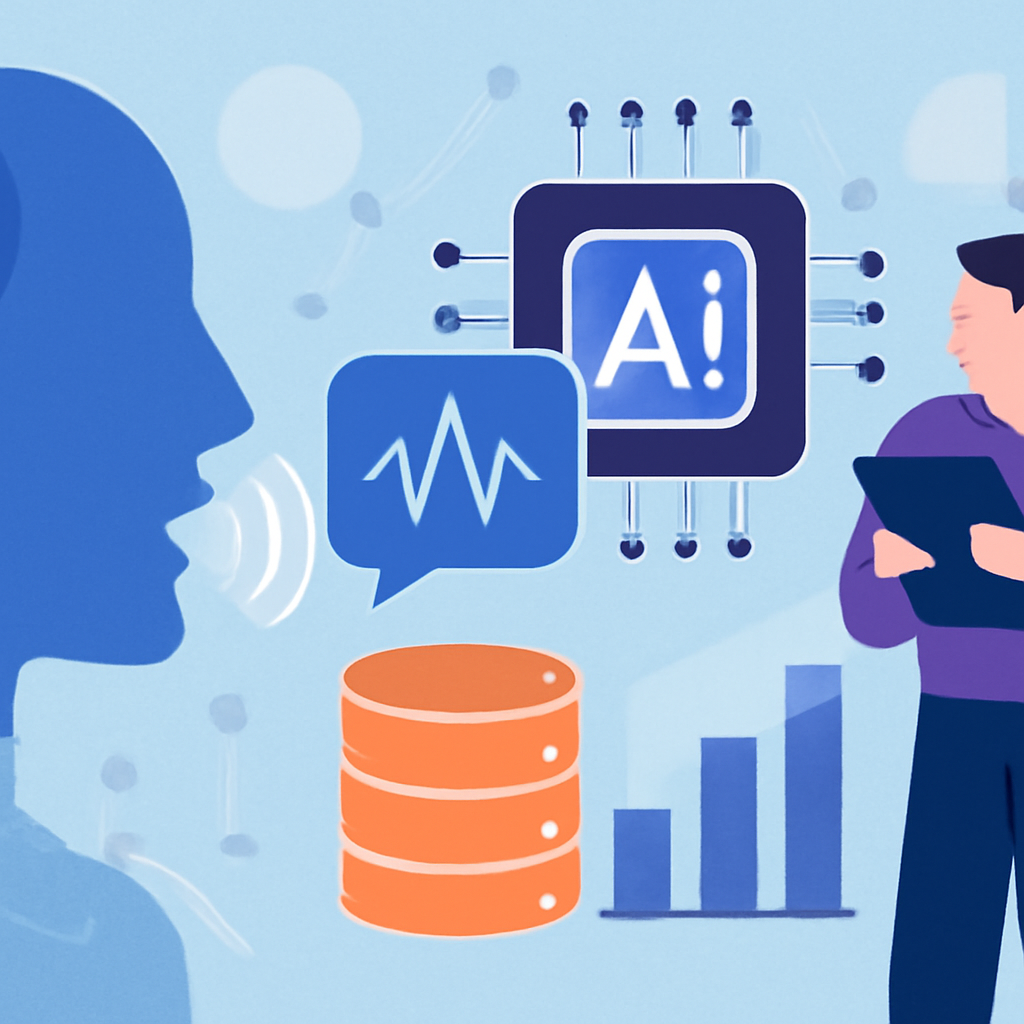
Recent advancements in speech AI have shown significant improvements in model performance. However, many users still encounter issues with recognizing regional accents, code-switching, and spontaneous speech. This raises a question: are these limitations due to the models themselves or the data they are trained on?
Why It Matters
The effectiveness of speech AI directly affects user experience and its applications across various industries, from customer service to healthcare. If the underlying data used for training these models is lacking in diversity, it could lead to a significant gap in performance, limiting the technology's usability for a broader audience. This could hinder advancements in accessibility and inclusivity in communication technology.
Context
Historically, speech recognition technology has relied heavily on scripted, clear speech from a limited set of speakers. As a result, models have been trained primarily on data that does not reflect the vast diversity of human speech in real-world scenarios. This has led to a growing awareness in the industry about the importance of diverse and representative datasets for training effective speech AI systems.
What It Means
Investing in data collection efforts may prove more beneficial than focusing solely on improving model architectures. Diverse speech datasets that encompass various accents, dialects, and spontaneous speech patterns are crucial for enhancing the performance of speech AI. In the long run, addressing the data problem could lead to more robust and adaptable speech recognition systems, ultimately broadening their applicability and effectiveness in everyday use.