Essence
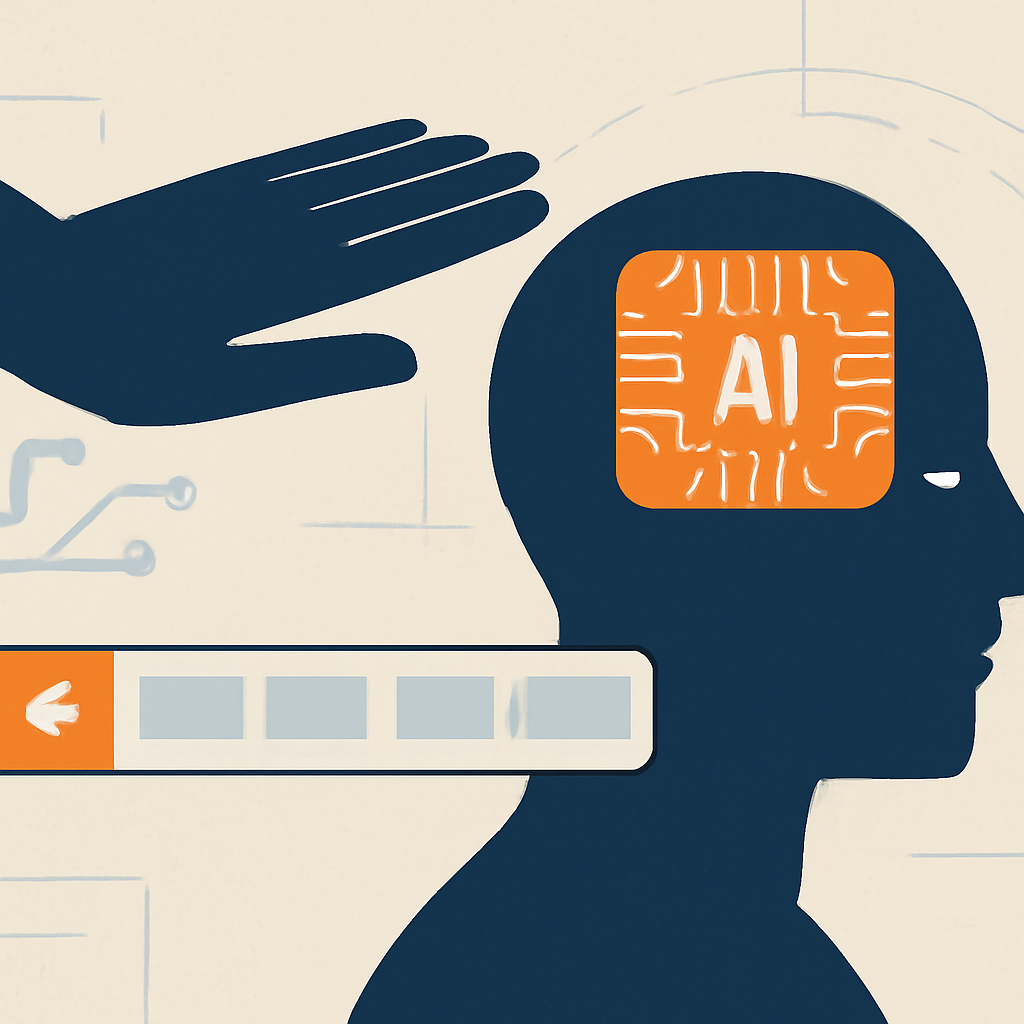
Emma Pierson, an AI researcher at UC Berkeley, sparked a heated debate with her essay arguing that the rapid development of AI poses serious societal risks. She contends that while AI could eventually help cure diseases like cancer, the immediate dangers—such as mass unemployment and increased surveillance—necessitate a more cautious approach to AI research.
How It Worked
Pierson's argument hinges on the distinction between generalist AI systems and specialized medical research. She highlights that current AI models excel in areas with abundant data, like coding and math, but fall short in complex fields like oncology, where data is limited and nuanced. Her call for deceleration isn't about halting progress; it's about ensuring that we carefully consider the implications of creating superintelligent systems. She suggests that we should prioritize human engagement in research and critical thinking, rather than outsourcing these tasks to machines.
Result
The reaction to Pierson's essay was swift, eliciting thousands of responses on social media, primarily from AI accelerationists who felt threatened by her views. The essay has reignited discussions on AI ethics, with Pierson's perspective prompting a reconsideration of the balance between technological advancement and societal well-being. Notably, it has brought to light the divergence in opinions within the AI community about the pace and direction of AI development.
Why This Matters to You
Pierson’s insights are crucial for anyone involved in tech or business, highlighting the importance of ethical considerations in innovation. As you navigate the fast-paced tech landscape, consider the broader implications of your work. Reflect on how technology impacts society and whether a more deliberate approach could lead to sustainable progress. This case serves as a reminder to balance ambition with responsibility, ensuring that technology serves humanity rather than undermining it.