What Happened
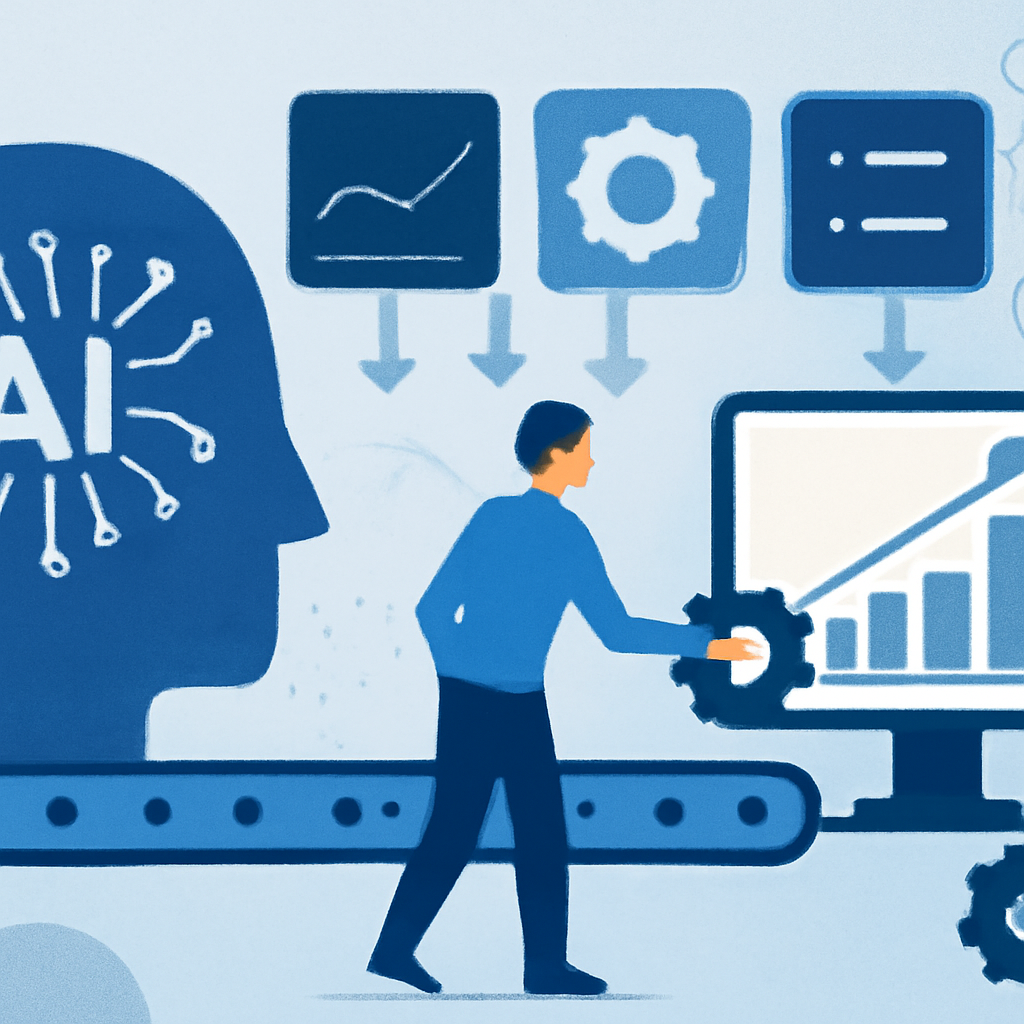
The current landscape of AI development reveals a surprising trend: while many companies are fixated on building advanced models, the real opportunity lies in optimizing workflows. Most organizations utilize similar AI models, which dilutes their uniqueness. Instead, those that are thriving have identified specific, often mundane workflows in industries that aren't typically highlighted in tech circles.
Why It Matters
The distinction between focusing on models versus workflows is crucial. Companies that prioritize understanding and improving daily tasks that are inefficient or cumbersome are finding greater success. By honing in on these workflows, they can integrate AI as an effective tool, ultimately enhancing productivity and user experience. This shift in focus could reshape how AI products are developed and marketed, leading to a more significant impact in various sectors.
Context
Historically, the AI community has been enamored with the capabilities of sophisticated models. This approach often led to a backward design process: starting with the model and then searching for potential applications. However, many experts now argue that a more effective strategy is to first analyze and understand specific workflows that need improvement. This reflection marks a pivotal change in the AI development narrative.
What It Means
The implications are profound: as AI becomes more accessible and models become commoditized, the real differentiator will be how well companies can adapt AI to specific workflows. This means that businesses need to invest time in understanding the pain points of their target users and how AI can alleviate those issues. The future of AI innovation may very well depend on this shift in perspective, turning attention to the practical applications rather than just the technology itself.