What Happened
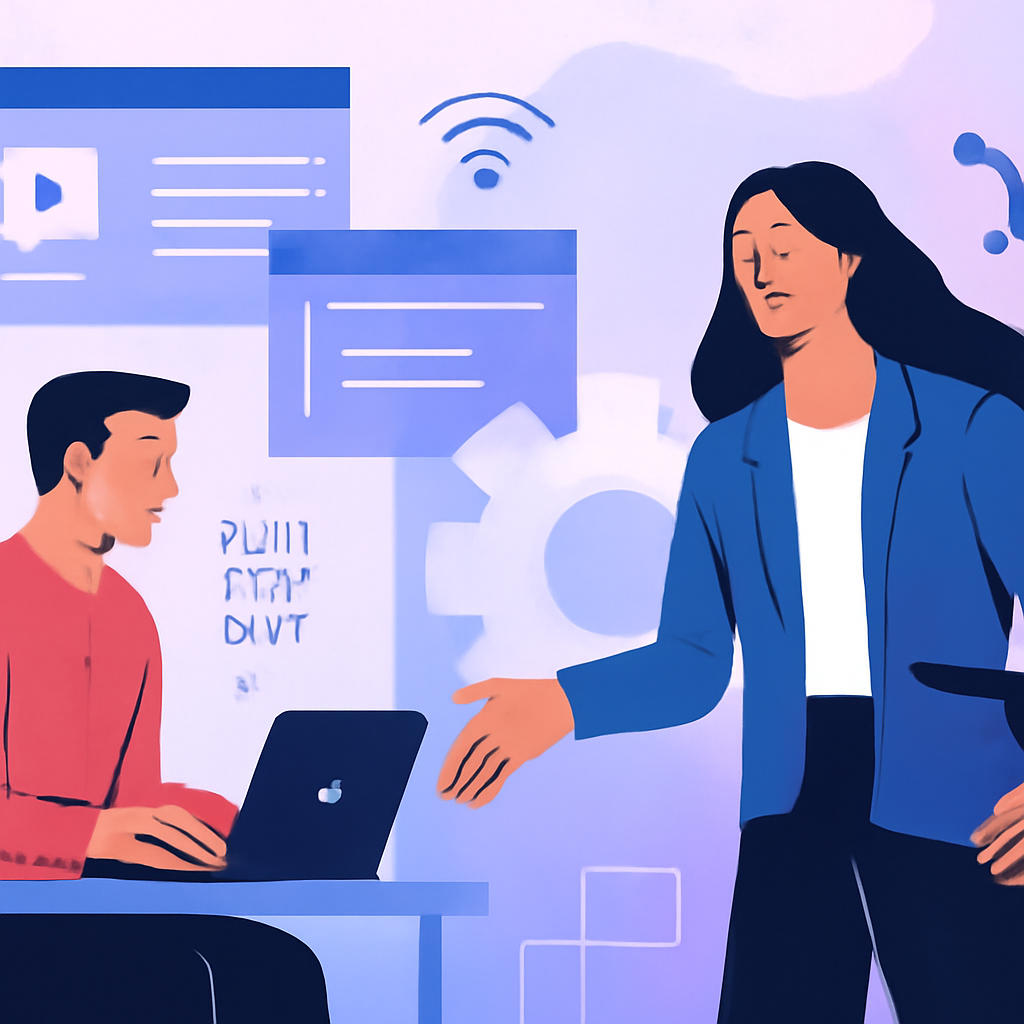
The founders of Stripe, Patrick and John Collison, took a unique approach to onboarding users in the early days of their payment platform. Rather than relying on automated tools or documentation, Patrick would work directly with developers, integrating Stripe’s API into their applications right in front of them. This hands-on approach created a deep connection with their users and provided valuable insights into the product’s usability.
Why It Matters
In today's tech landscape, many companies lean heavily on automated funnels and AI-driven support, often neglecting the importance of direct user engagement. The Collison brothers’ method highlights the value of personal interaction in building trust and loyalty. By investing time and effort into their initial users, they created a community of advocates who contributed to Stripe's growth through word-of-mouth marketing. This approach challenges the current trend towards impersonal customer support and raises the question of how much we might be losing by not engaging with users face-to-face.
Context
Back in 2010, when Stripe was launched, setting up online payments was fraught with complexity due to outdated banking systems. Developers were skeptical about new tools handling critical financial transactions. The Collison brothers recognized this hesitance and opted for a direct approach to onboarding that involved real-time, manual assistance. This strategy not only eased the integration process but also provided immediate feedback on product shortcomings.
What It Means
The hands-on onboarding strategy employed by Patrick Collison exemplifies the difference between explicit and tacit knowledge. While clear documentation is essential, it cannot capture the subtleties of user frustration or hesitation. By working directly with developers, the Collisons gained insights that informed product improvements and fostered a culture of loyalty. This method of engagement is reminiscent of traditional apprenticeship models, where learning and mastery occur through direct interaction. As we increasingly rely on automation, it's crucial to remember the value of personal effort in cultivating lasting relationships with users. The question remains: can today’s tech founders afford to adopt this labor-intensive approach, or is it simply a relic of a bygone era?