What Happened
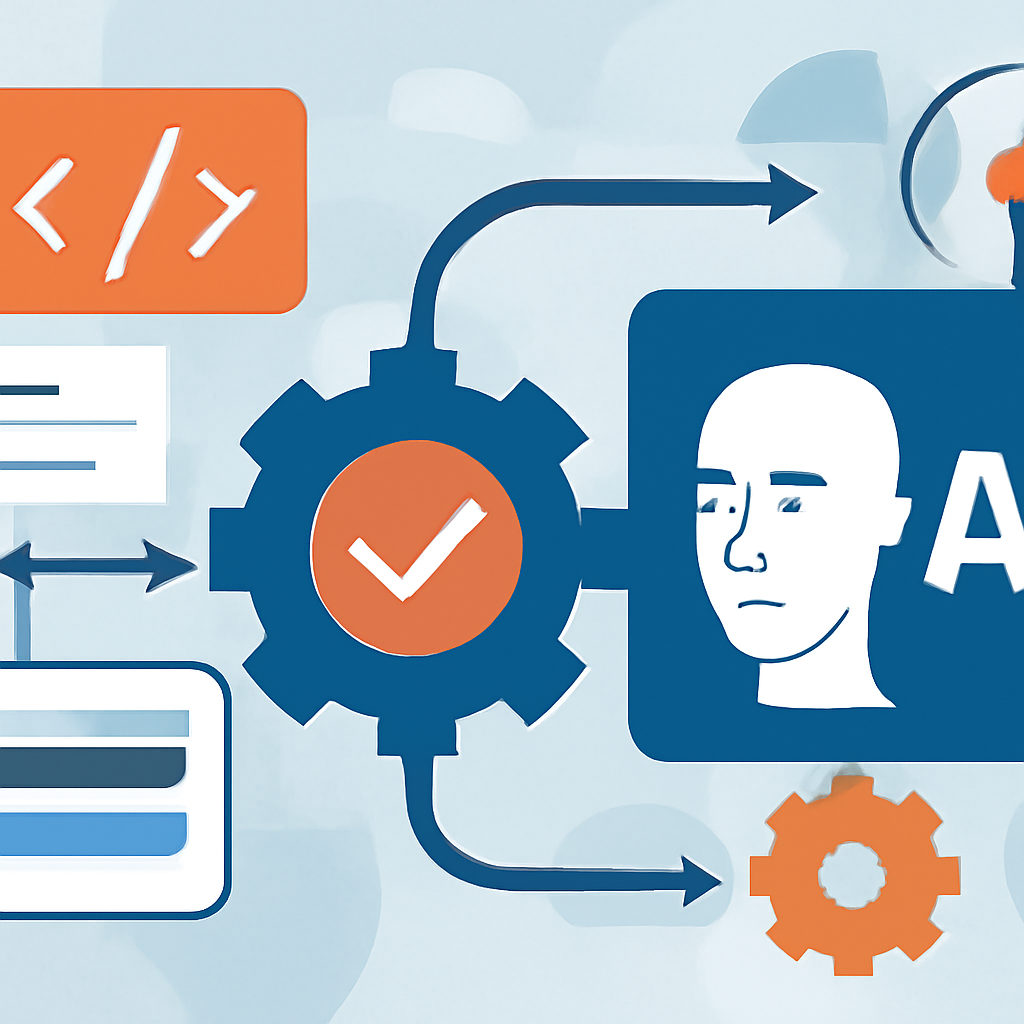
In the realm of automation tools, there's a fundamental difference in how authorization occurs. Tools like Zapier or n8n authorize all actions at the time of building the workflow. This means that every action and its parameters are predetermined before the workflow runs, making the authorization decision a one-time event during design. In contrast, agents in other systems decide on their actions at the moment of execution, leading to a different set of challenges.
Why It Matters
This distinction is significant because it raises questions about accountability and control. When actions are pre-authorized in tools like Zapier, the responsibility lies with the person who created the workflow. However, for agents that authorize actions at call time, accountability becomes murky. If an action occurs without explicit authorization, it can lead to unintended consequences and a lack of oversight, which is a concern for users and organizations alike.
Context
Historically, automation tools have evolved to streamline processes and enhance productivity. However, the timing of authorization has not been adequately addressed. While desktop automation tools treat each connection as an individual approval, others often fail to provide clarity on who is responsible for actions taken within a workflow, leading to confusion and potential misuse.
What It Means
The issue at hand is not just about who is responsible but also about when authorization should occur. If actions are chosen at runtime without prior approval, it complicates the accountability structure within organizations. To effectively manage this, it's essential to place authorization gates at the point where actions are selected, rather than at the broader workflow level. This shift could lead to clearer accountability and a more robust governance framework for automation tools, ensuring that actions taken are both authorized and transparent.