What happened
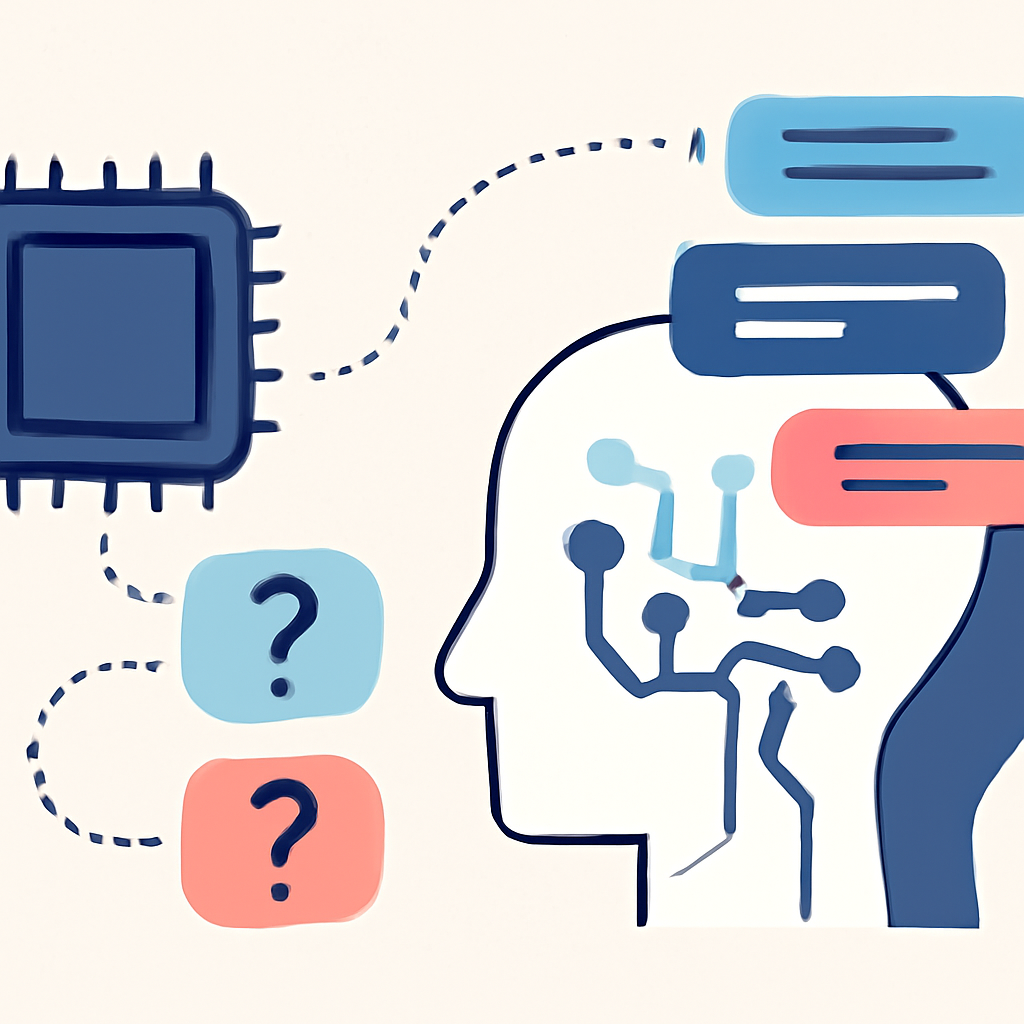
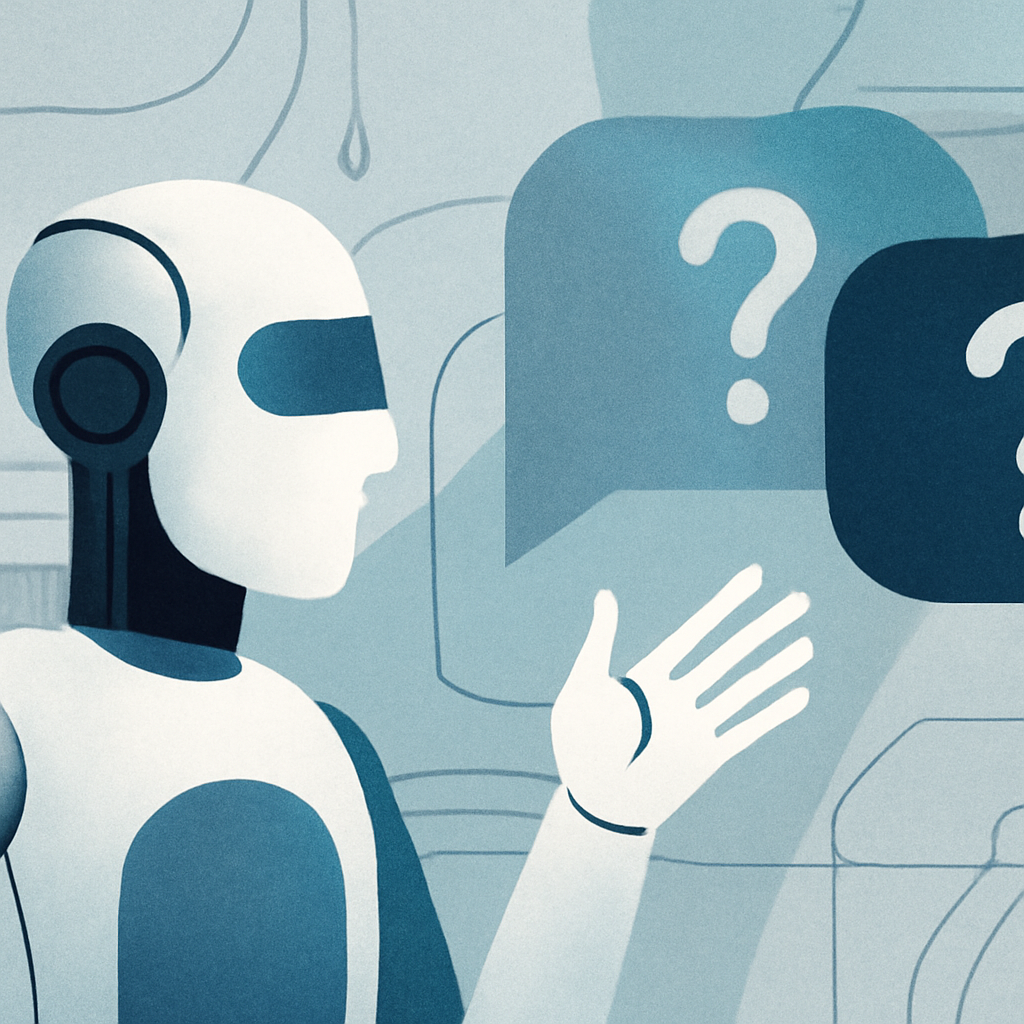
AI systems, particularly those designed for conversation, continue to face challenges when it comes to interpreting uncertainty in human communication. While they excel in structured inputs where intent is clear, they struggle significantly when users express hesitations, change topics, or communicate indirectly. This limitation affects the reliability of AI responses, particularly in more fluid and natural conversations.
Why this matters
The ability to understand uncertainty is crucial for creating more effective and human-like interactions with AI. When these systems treat every message with the same level of confidence, they miss the subtleties of human expression. This can lead to misunderstandings, frustration among users, and ultimately, reduced trust in AI technologies. Addressing these gaps is essential for improving user experience and making AI more intuitive and responsive to human needs.
Context
Historically, conversational AI has relied heavily on text interpretation, using algorithms to decipher user input based on predefined patterns and contexts. However, human communication is rich with nuances such as pauses, corrections, and emotional inflections that convey uncertainty and intent. Most current AI systems do not account for these factors, which limits their effectiveness in real-world applications.
What this means
To improve the performance of conversational AI, there needs to be a shift towards incorporating additional contextual signals beyond mere text interpretation. This could involve integrating models that recognize hesitations, changes in topic, and emotional cues. By doing so, AI systems could better emulate human-like interactions, enhancing their ability to engage users meaningfully and accurately. This approach must balance complexity with usability, ensuring that improvements do not overcomplicate system design while still addressing the core issues at hand.