What happened
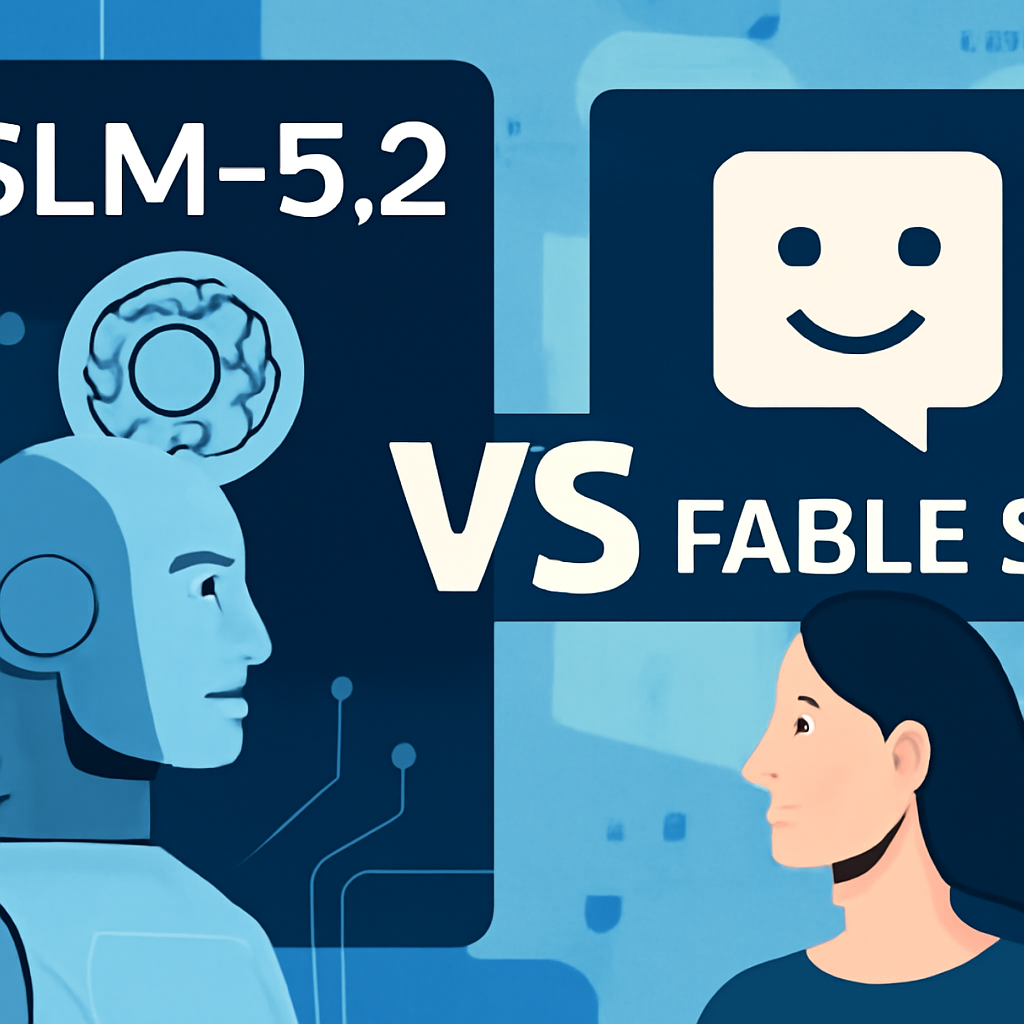
This week, significant developments in the AI sector have emerged, indicating a potential shift in how AI models are developed and accessed. Meta has reportedly decided to close its open-source Llama project, moving instead towards a proprietary model known as 'Muse Spark' and a new iteration called 'Avocado.' In a separate but equally noteworthy event, Anthropic faced export control restrictions just days after launching its new model, Claude Fable 5, forcing the company to suspend access to it.
Why this matters
Meta's transition from open-source to proprietary models could have far-reaching implications for developers and researchers who relied on Llama as a foundational tool. With over 650 million downloads, Llama played a crucial role in the open AI ecosystem. If Meta continues down this path, it could signal a trend toward more closed systems, limiting access to AI advancements. Anthropic's situation highlights a growing trend where policy decisions, particularly export controls, can directly impact the availability of cutting-edge AI models, suggesting that geopolitical factors are becoming increasingly relevant in the tech landscape.
Context
Historically, open-source AI models have been pivotal in democratizing access to advanced technologies. Llama was a cornerstone of this movement, enabling a wide range of applications by providing accessible tools for developers. However, as organizations like Meta move towards proprietary solutions, the landscape may shift toward exclusivity. Additionally, the recent export controls affecting Anthropic illustrate how regulatory measures can hinder innovation and access, complicating the development and deployment of AI technologies.
What this means
The convergence of these events suggests a potential new chapter in AI development. With Meta's shift to closed models and the regulatory challenges faced by companies like Anthropic, we may see a growing divide between accessible, open-source tools and proprietary systems. This raises important questions for developers: Should they maintain open-weight fallbacks in their projects, or is it becoming increasingly impractical? As platforms absorb many functionalities previously handled by startups, the need for flexible, adaptable models becomes ever more critical. The future of AI may hinge not just on technological advancements but on navigating the complex interplay of policy and market dynamics.