What happened
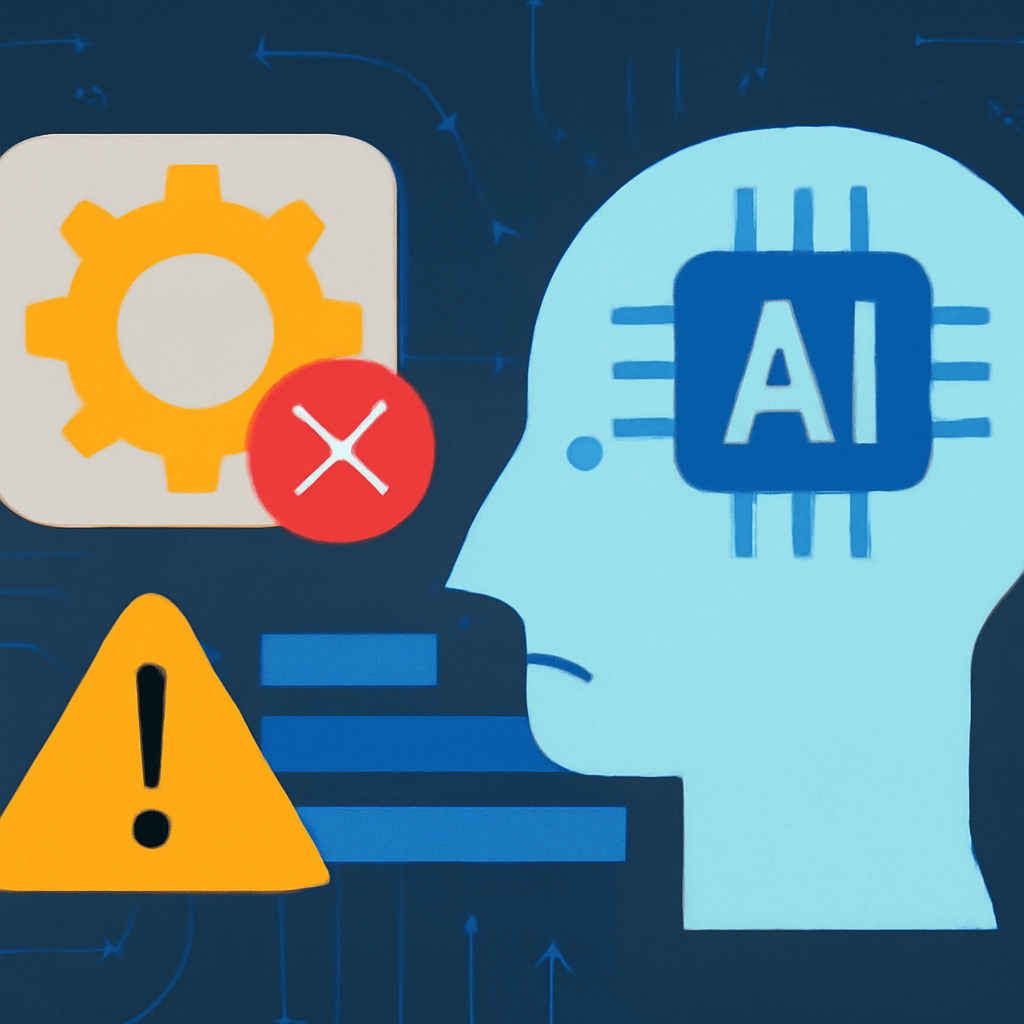
A recent experience highlighted how AI features can struggle post-launch, not due to the model's performance but because of communication breakdowns among teams. In a project where an AI agent was used to triage support tickets, everything seemed fine initially. The system was efficient, with low latency and error rates, and even improved ticket resolution times at first. However, after a couple of months, the quality of the AI's suggested replies began to decline, leading to generic responses that frustrated the support team.
Why this matters
This situation underscores a significant issue in AI deployments: the assumption that model failures are the primary cause of problems. In this case, while the engineering team monitored system performance, and the product team focused on resolution metrics, the support team noticed a decline in response quality. Unfortunately, there was no cohesive mechanism to connect these observations, leading to a delayed recognition of the underlying issue.
Context
AI systems, especially those involved in customer support, rely heavily on various data sources to function effectively. In this instance, a change in an unrelated data pipeline caused the AI to pull outdated information. This highlights the complexities involved in AI deployments, where multiple teams may have different focuses and fail to see the complete picture, ultimately impacting user experience.
What this means
The failure of this AI feature illustrates that successful implementation goes beyond just having a well-performing model. It emphasizes the necessity for cross-team collaboration and a unified approach to monitoring systems. Establishing shared platforms for tracking data quality, user feedback, and performance metrics can help identify issues before they escalate. Moving forward, organizations should prioritize communication and create integrated oversight mechanisms to ensure that all teams are aligned and can address problems holistically. This way, the narrative of 'model failure' can be avoided, and genuine issues can be tackled more efficiently.