What happened
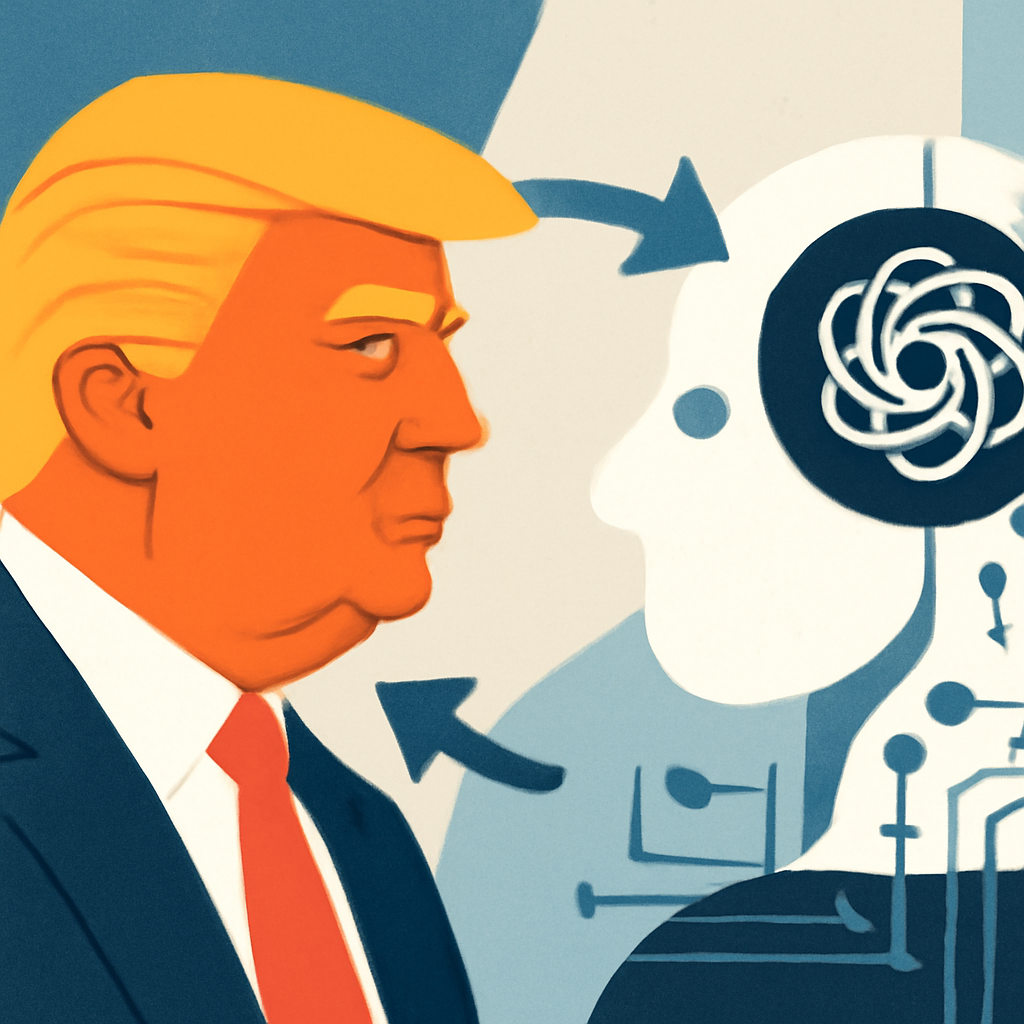
Major companies like Amazon, Walmart, Cisco, and Uber are starting to limit their use of AI tools due to rising costs. After initially rushing to adopt AI technologies, these businesses are now capping their usage and encouraging employees to opt for less expensive models. This adjustment signifies a crucial transition in how corporations are integrating AI into their operations.
Why this matters
The focus on managing AI costs is reshaping the corporate landscape. With the introduction of token-based billing systems by companies like OpenAI and Anthropic, businesses are now more acutely aware of the expenses associated with each AI task. As AI agents become more powerful and capable of handling complex tasks autonomously, the computing power required has also increased significantly, pushing companies to carefully evaluate the cost-effectiveness of each AI interaction.
Context
Historically, businesses viewed AI as a cost-effective solution, often associating it with low or no expenses. However, as AI technology evolves and the demand for more sophisticated applications rises, this perception is changing. The transition from flat-rate subscriptions to usage-based billing has brought cost management to the forefront of corporate strategies, forcing CFOs and boards to reconsider their AI investments. Some experts, like Costi Perricos from Deloitte, highlight that companies are beginning to realize that AI is not as cheap as previously thought.
What this means
The move to control AI spending could have significant implications for the industry. While companies are still increasing their AI usage overall, cost-cutting measures may hinder the growth of major AI developers, such as OpenAI and Anthropic, especially as they prepare for public offerings. Furthermore, the rise of Chinese AI models, which are now outperforming their American counterparts in token consumption due to lower operational costs, adds an additional layer of competition in the global AI market. As businesses navigate these challenges, the future trajectory of AI adoption will likely depend on their ability to balance innovation with budgetary constraints.