What happened
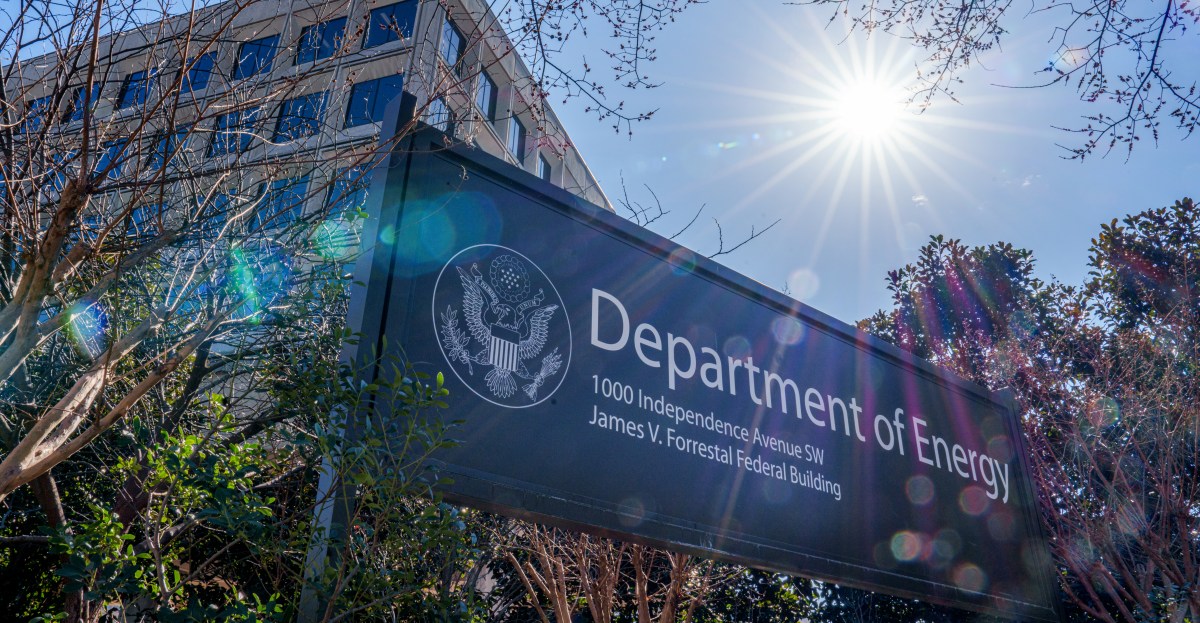
The US Department of Energy has reportedly removed approximately 6,000 web pages that provided information on energy conservation. This action comes at a time when the country is experiencing an unprecedented heatwave, raising concerns about energy consumption and grid stability.
Why this is important
The timing of the deletions has sparked significant debate. With temperatures soaring, the need for effective energy conservation strategies is more critical than ever. Critics, particularly from the Republican party, have used this incident to highlight what they perceive as a lack of transparency or a move away from public education on energy efficiency. The controversy arises amidst calls for citizens to adjust their air conditioning settings to alleviate pressure on the electrical grid, which some have framed negatively.
Context
The backdrop to this situation includes a growing awareness of climate-related challenges and energy management. As extreme weather events become more frequent, the importance of energy conservation has been emphasized by various governmental and environmental organizations. However, the recent deletions seem to contradict this trend, igniting discussions about the government's commitment to informing the public.
What this means
The removal of these energy conservation resources raises questions about how the government prioritizes public information during crises. It suggests a potential shift in focus away from educational outreach at a time when citizens need guidance on reducing energy usage. This incident could also fuel further political debate about energy policies, public health, and the government's role in managing climate-related emergencies.