What Happened
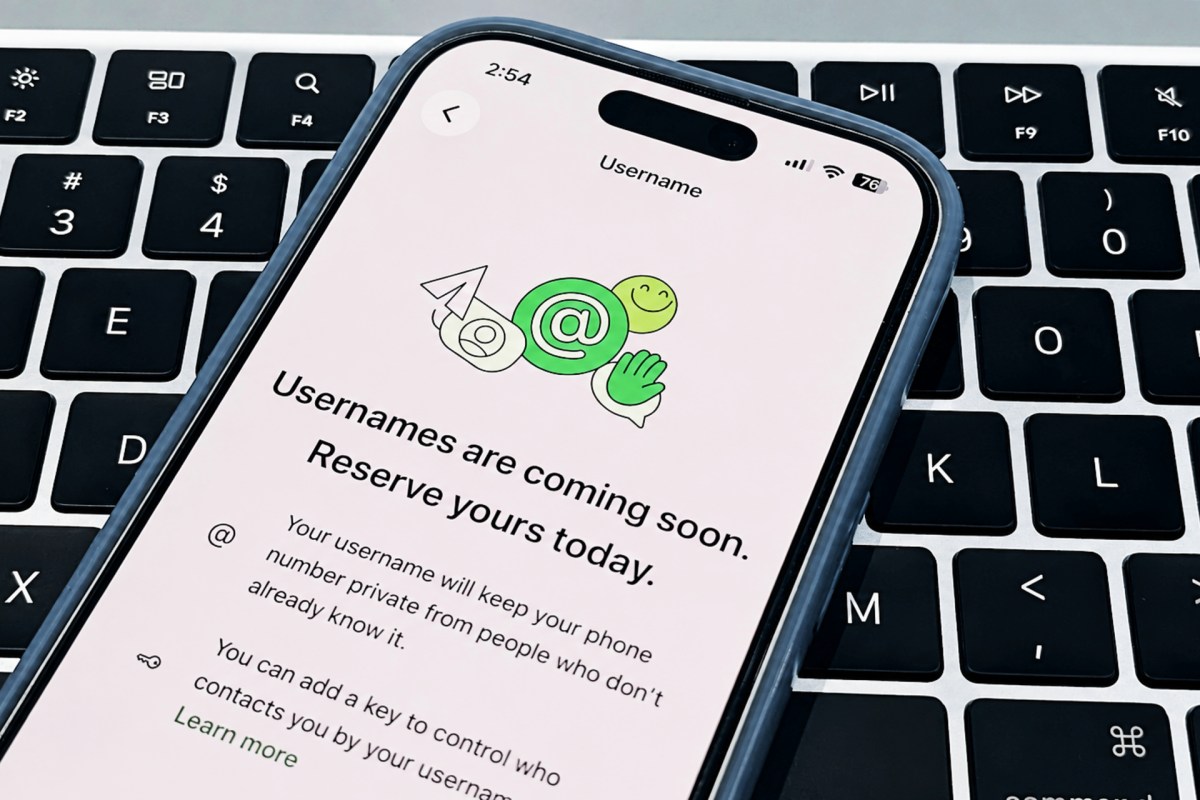
WhatsApp has recently rolled out a new feature that allows users to create unique usernames. This change aims to enhance user privacy by allowing individuals to communicate without revealing their phone numbers. However, the introduction of usernames has sparked concerns about potential impersonation risks, as critics question whether the platform's protections will be sufficient to combat this issue.
Why It Matters
The move to implement usernames on WhatsApp could fundamentally change how users interact on the platform. While the intent is to improve privacy, there are valid concerns that this could also open the door to impersonation and fraud. If users can create any username they want, it may become easier for malicious actors to pose as someone else, potentially harming victims and damaging trust within the platform.
Context
Historically, WhatsApp has been primarily recognized for its secure messaging features, which rely heavily on phone numbers to identify users. This approach has provided a level of accountability, as users are less likely to impersonate someone when their identity is tied to a personal phone number. With the introduction of usernames, WhatsApp is shifting this paradigm, which raises questions about how the platform will handle security and verification moving forward.
What It Means
The introduction of usernames on WhatsApp could lead to a double-edged sword. On one hand, it offers users greater privacy and a more flexible way to interact with others. On the other hand, it raises significant security concerns that may require robust countermeasures to ensure user safety. As the feature rolls out, it will be crucial for WhatsApp to demonstrate that it can effectively safeguard against impersonation and maintain the trust of its user base.