The Gist
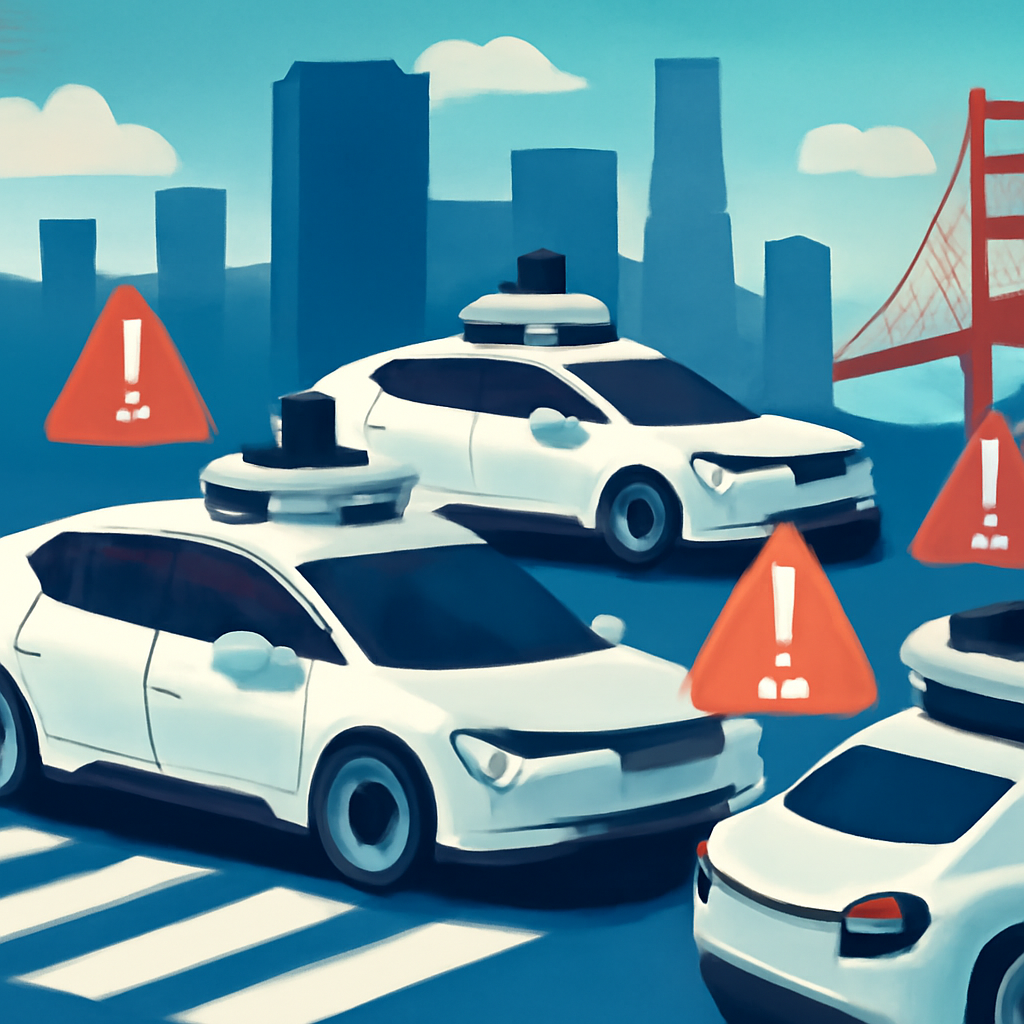
During the July 4 weekend, Waymo's autonomous vehicles caused major traffic issues in San Francisco due to a lack of awareness of road closures related to the city's fireworks event. Some vehicles stalled, requiring towing, and one car even drove through a firework display, highlighting concerns about the scalability of robotaxis in chaotic situations.
How It Worked
Waymo vehicles, designed to navigate urban environments, struggled when faced with unexpected road closures and extreme congestion. The chaos prompted Waymo to coordinate with local authorities and emergency services to manage the situation. The company stated that it is continually learning from these incidents to improve their response systems during major disruptions. Despite having an employee stationed at the city's emergency response department during the event, the integration of real-time data into operational protocols appears to be lacking.
Results
The aftermath of this incident included significant public frustration, particularly from local government officials who criticized Waymo’s lack of situational awareness. Videos capturing the chaos circulated online, showcasing the challenges of operating autonomous vehicles when city dynamics change rapidly. While Waymo has successfully managed operations at other large events, the July 4 incident illustrates that their current systems are not fully equipped to handle every scenario, particularly during peak disruptions.
Why It Matters for You
For businesses considering AI and autonomous systems, this case serves as a critical reminder of the importance of adaptability and real-time data integration. If you're looking to implement autonomous solutions, ensure that your systems are robust enough to handle unexpected challenges. Regularly update your operational protocols based on real-world feedback and maintain strong communication with local authorities to enhance responsiveness during chaotic events.