What Happened
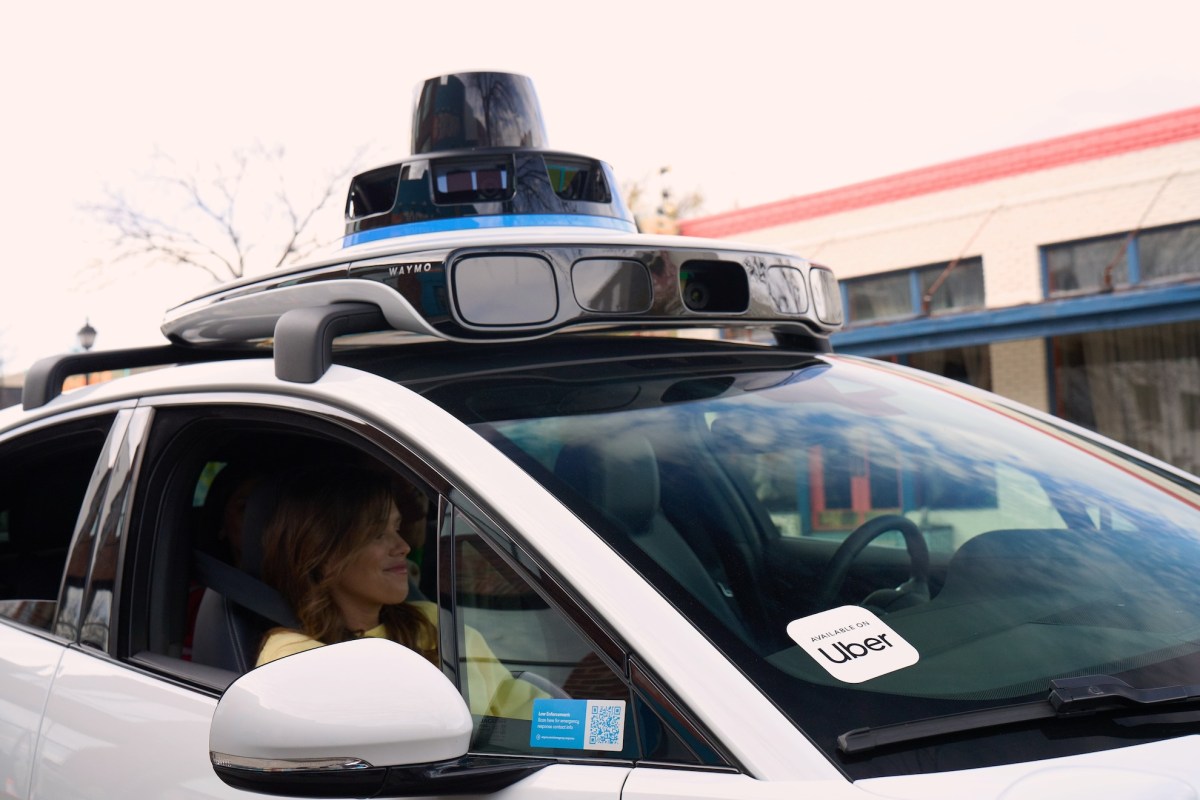
Waymo and Uber have officially concluded their partnership in Phoenix, which lasted for nearly three years. This collaboration was unique, as it combined Waymo's autonomous technology with Uber's ride-hailing platform, aiming to enhance the riding experience for users in the city.
Why It Matters
The termination of this partnership could have wide-ranging effects on both companies and the autonomous vehicle market. For Waymo, this might signal a shift in strategy as they continue to develop their services independently. For Uber, losing this partnership could hinder their ambitions to integrate autonomous technology into their ride-hailing services, potentially slowing down their competitive edge in the market.
Context
This collaboration began with high hopes, as both companies aimed to leverage their strengths to advance the autonomous vehicle landscape. Waymo has been a leader in self-driving technology, while Uber has established a vast network of ride-hailing services. However, partnerships in the tech industry can be volatile, often influenced by changing strategies, market conditions, and regulatory landscapes.
What It Means
The end of this partnership suggests that both companies are likely realigning their strategies to better suit their individual goals. As Waymo pushes forward with its autonomous vehicle initiatives, it may focus on expanding its own ride-hailing services. On the other hand, Uber may need to find new ways to incorporate self-driving technology, either through new partnerships or by developing their own solutions. This shift could lead to increased competition in the autonomous vehicle space, ultimately benefiting consumers with more options and innovation.