What happened
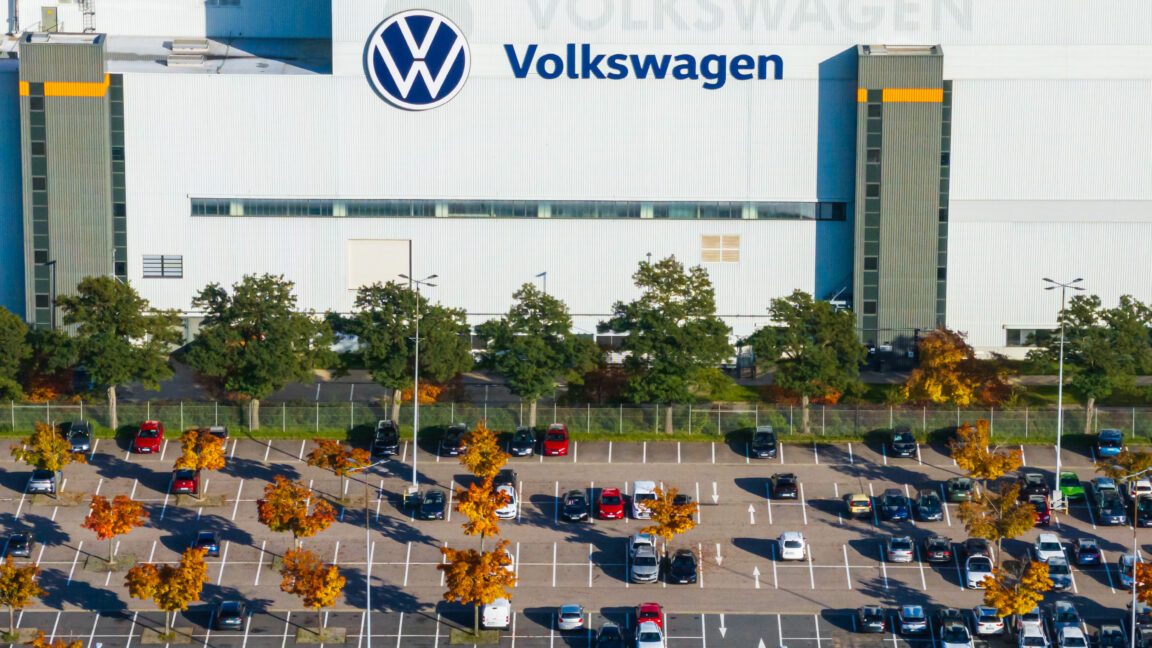
Volkswagen Group is contemplating the closure of up to four factories in Germany, which would mark a significant shift in its operational strategy. This potential move could lead to a 15 percent reduction in its workforce, following a challenging year in 2025 where profits plummeted by 44 percent despite stable sales figures. The company has already indicated plans to cut 50,000 jobs in Germany by 2030, aiming to adapt to a rapidly changing automotive landscape.
Why this matters
The decision to close factories and cut jobs is emblematic of the broader challenges facing the automotive industry, particularly in Europe. With profits dwindling and sales in key markets like North America and China declining, Volkswagen is under immense pressure to streamline operations and reduce costs. This restructuring could have far-reaching effects not only on the company's future profitability but also on the livelihoods of thousands of employees. The move signals a significant shift in how traditional automakers are adapting to evolving market demands, especially as electric vehicle sales continue to rise in some regions.
Context
Historically, Volkswagen has been a cornerstone of the automotive industry in Germany, known for its robust manufacturing presence. However, the landscape has changed dramatically in recent years, particularly with the rise of electric vehicles and increasing competition from newer entrants. The company’s recent struggles highlight the difficulties faced by legacy automakers in keeping pace with technological advancements and shifting consumer preferences. The combination of stagnant sales and external factors, such as tariffs, has forced Volkswagen to reconsider its operational footprint.
What this means
If Volkswagen follows through with these potential factory closures and job cuts, it may set a precedent for other automakers facing similar challenges. The decision could lead to a re-evaluation of how traditional manufacturers operate in a market that increasingly favors efficiency and innovation. Additionally, if this trend continues, it could signify a larger shift in the industry, where legacy companies must increasingly adapt to survive in an era dominated by electric vehicles and changing consumer behaviors.