What happened
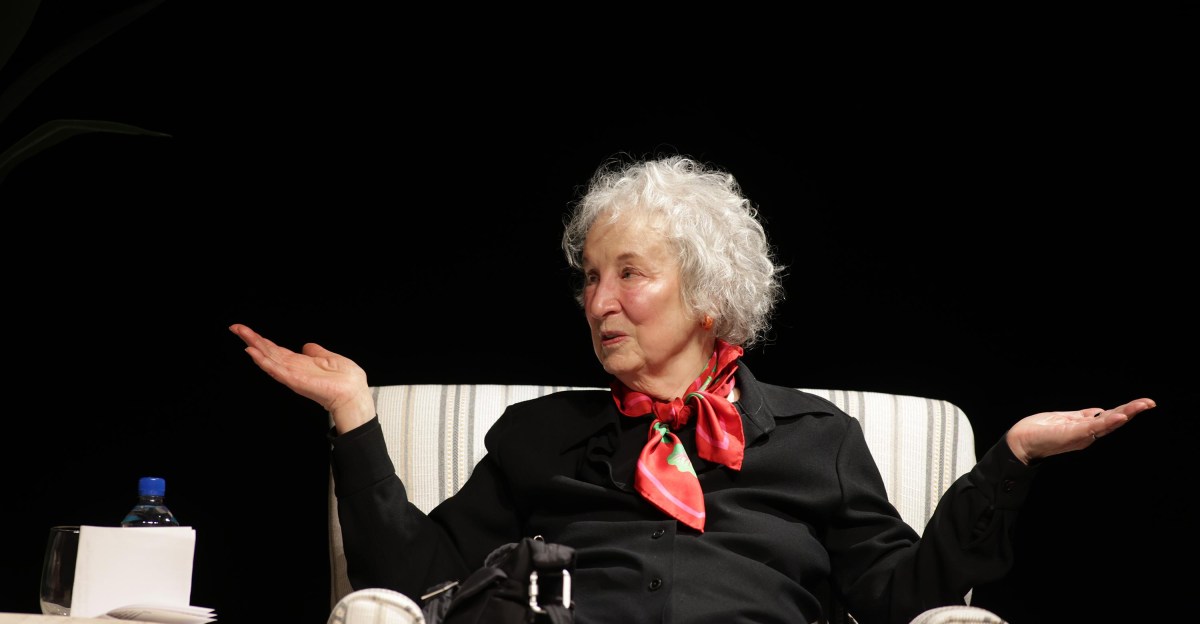
Margaret Atwood, the celebrated author known for her impactful novels, shared her thoughts on artificial intelligence during an interview at the Babell Literary and Cultural Festival in Portugal. She recounted her only experience with an AI chatbot, Anthropic's Claude, which left her dissatisfied. Atwood sought information about the British detective series "Father Brown" but was met with incorrect information from the chatbot.
Why this is important
Atwood's critique highlights a significant issue in the realm of AI: the concept of "garbage in, garbage out." This phrase underscores that the quality of output from AI models is heavily dependent on the quality of the data they are trained on. If an AI is given flawed or misleading information, it will generate responses that reflect these inaccuracies, leading to misinformation. This has profound implications for users who rely on AI for accurate data and insights.
Context
AI technology, particularly large language models, has transformed how we access information and interact with digital platforms. While these systems have made significant advancements, they still face challenges related to accuracy and reliability. Atwood's experience serves as a reminder that despite these advancements, users must approach AI-generated content with caution.
What this means
Atwood's experience with AI serves as a cautionary tale for both developers and users. It emphasizes the need for ongoing improvements in AI training data and algorithms to enhance accuracy. Furthermore, it calls for users to maintain a critical eye when engaging with AI tools, understanding that they are not infallible. The conversation surrounding AI's reliability is crucial as these technologies become increasingly integrated into our daily lives.