What Happened
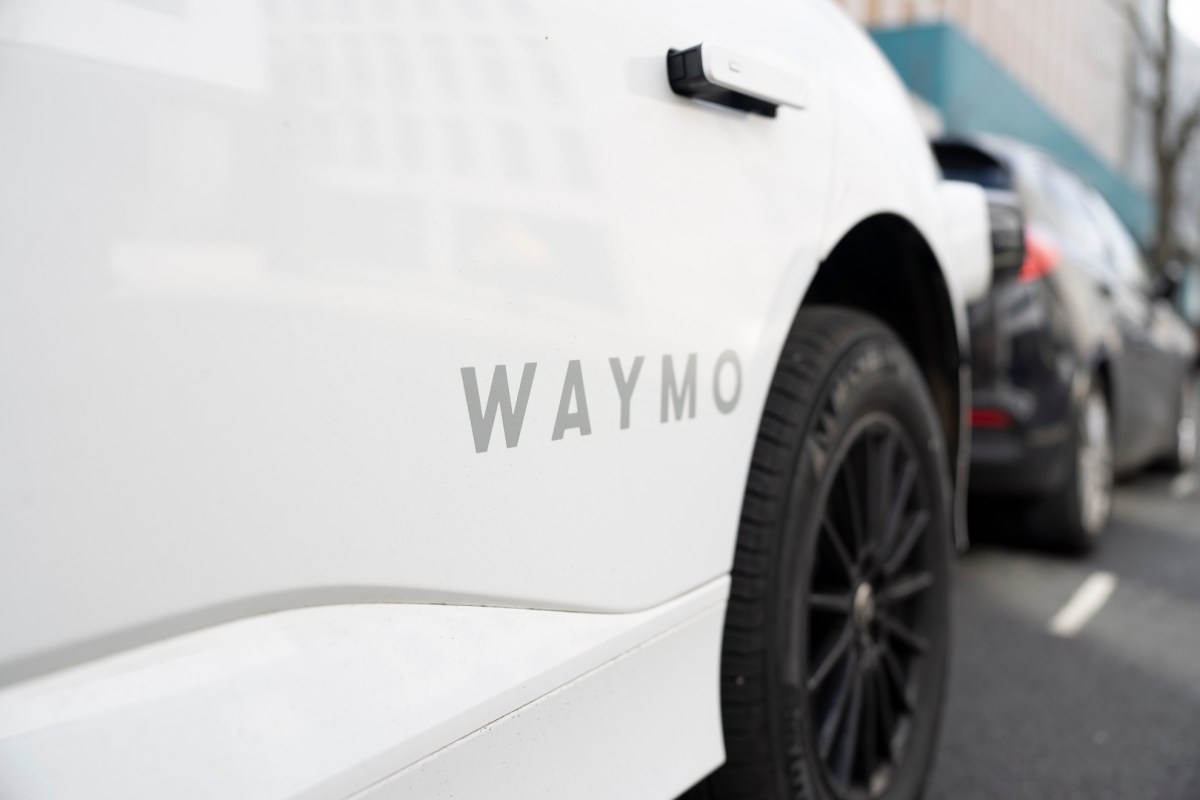
The National Highway Traffic Safety Administration (NHTSA) has issued a directive to autonomous vehicle companies, demanding that they prevent their vehicles from obstructing emergency responders at accident scenes. This move underscores the importance of ensuring that first responders can access emergency situations without delay, and the agency emphasized that these scenarios are critical, not just exceptions to the rule.
Why It Matters
This directive is significant for both the autonomous vehicle industry and public safety. As self-driving technology becomes more prevalent, the potential for conflicts with emergency operations increases. By enforcing these regulations, the NHTSA aims to prioritize the safety of individuals during emergencies and prevent any hindrance caused by autonomous vehicles. This could lead to stricter compliance requirements for manufacturers and potentially impact how these vehicles are programmed to respond in various situations.
Context
Historically, the rise of autonomous vehicles has prompted concerns regarding their interaction with traditional traffic and emergency protocols. As self-driving cars become more common on the roads, the need for clear regulations has become evident. The NHTSA's latest move highlights an ongoing discussion about the responsibilities of technology in public safety and the necessity for robust systems that can adapt to real-time emergencies.
What It Means
The implications of this directive could reshape how autonomous vehicles are designed and operated. Companies may need to integrate new technologies or protocols that allow their vehicles to recognize and yield to emergency responders effectively. This could mean more emphasis on communication systems between vehicles and emergency services, enhancing safety and efficiency. Ultimately, the success of autonomous vehicles will depend not only on their technological advancements but also on their ability to coexist with existing emergency response systems.