What happened
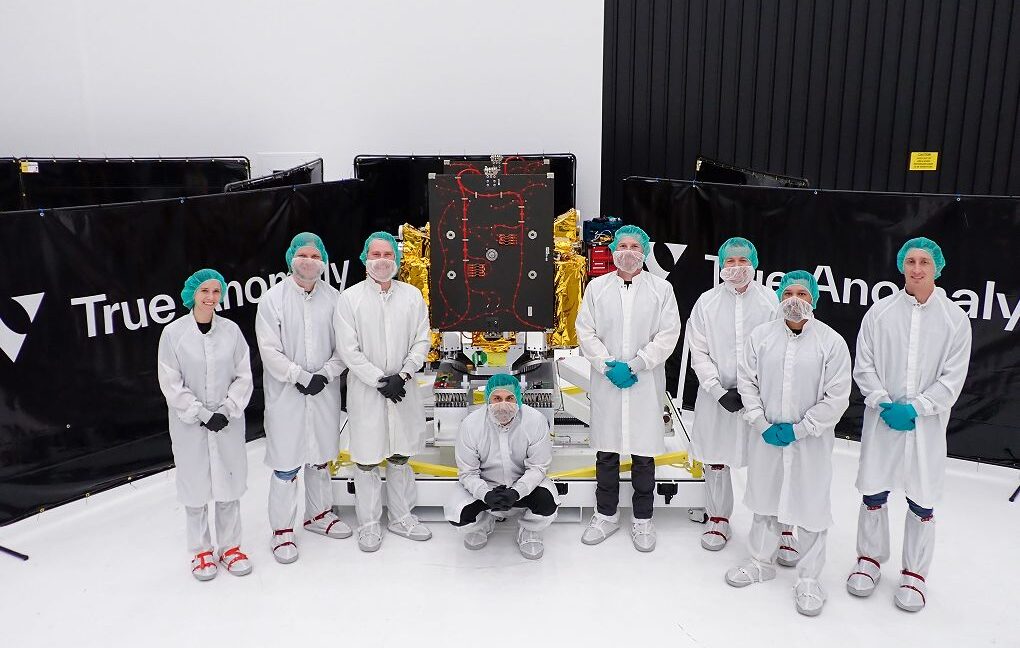
A recent launch by Rocket Lab from New Zealand went largely unnoticed, yet it played a crucial role in a military exercise for the US Space Force. The mission involved deploying a small satellite named Victus Haze Puma, aimed at evaluating the military's readiness to respond swiftly to potential crises in low-Earth orbit. Unlike typical launches, this event was shrouded in secrecy, with minimal public notification and no livestream coverage.
Why this matters
The launch is significant because it demonstrates the growing emphasis on military operations in space, particularly for the US Space Force. By testing its ability to quickly deploy satellites, the Space Force is enhancing its operational readiness amid increasing geopolitical tensions. This exercise is a clear signal of the US's commitment to maintaining dominance in space and ensuring national security through rapid response capabilities.
Context
Historically, military exercises in space have received more public attention, with clear announcements and extensive coverage. However, this launch's low-profile approach reflects a shift in strategy, possibly due to the sensitive nature of military operations in space and the potential for adversaries to exploit any public information. The cataloging of the new satellite in the US military's space object database indicates the importance of maintaining situational awareness in a rapidly evolving space environment.
What this means
The quiet launch suggests that the US military is adapting to an era where space operations are increasingly crucial. As nations around the world ramp up their space capabilities, the ability to deploy assets quickly could become a key differentiator in future conflicts. This exercise not only showcases the technological advancements of the Space Force but also highlights the necessity for secrecy in military operations to protect national interests. The implications of such launches are profound, as they may alter the landscape of military strategy in space for years to come.