What Happened
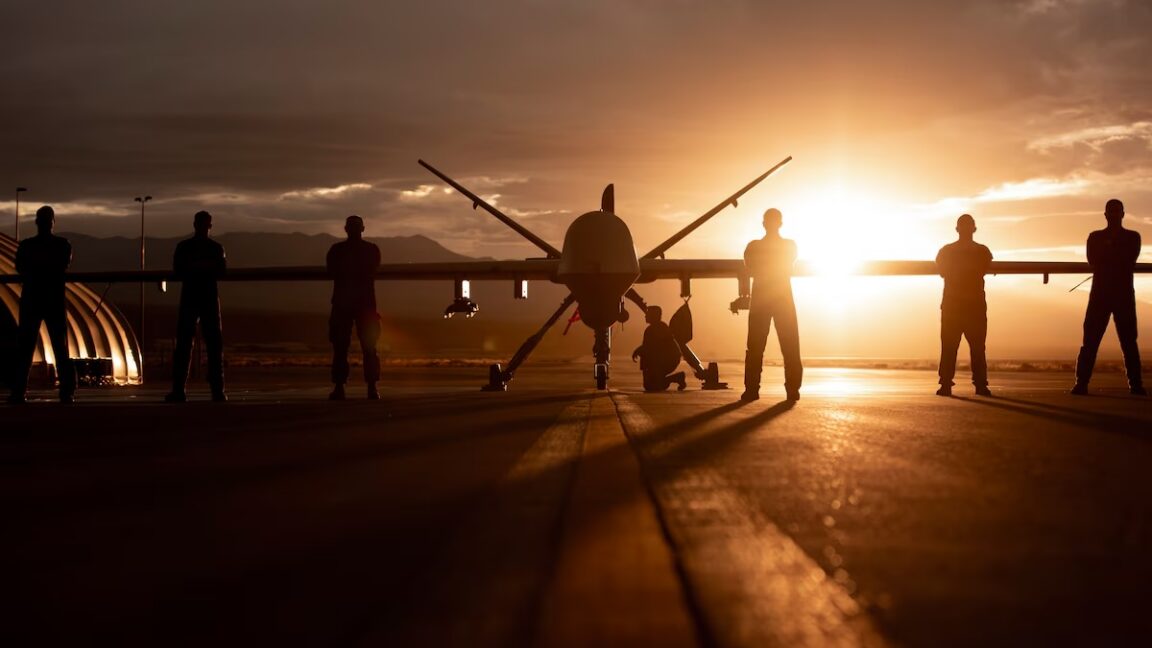
The US military has faced significant losses with its Reaper drones, which are valued at over $1 billion, during surveillance and combat missions over Iran. In light of these losses, the Pentagon is now exploring options for more affordable drones that can effectively perform similar missions, even if many are expected to be lost.
Why It Matters
This shift in strategy highlights a pressing issue for the US military: the high costs associated with current drone technology, which can exceed $30 million per unit. The Defense Innovation Unit has described the current reliance on expensive drones and crewed aircraft as unsustainable, especially when facing adversaries equipped with advanced, low-cost anti-aircraft systems. By adopting cheaper drones, the military aims to overwhelm enemy defenses while accepting that some drones will inevitably be lost in combat.
Context
The push for more cost-effective drones comes at a time when Ukraine has successfully used a similar strategy against Russia. By deploying large numbers of relatively inexpensive drones and missiles, Ukraine has been able to target Russian supply lines and critical infrastructure, demonstrating how such a tactic can stretch and complicate enemy air defense capabilities. This approach has proven effective, as it allows for sustained attacks on important targets while minimizing the overall cost of operations.
What It Means
The move towards cheaper drones indicates a significant shift in military strategy, prioritizing quantity over individual cost. This could lead to a new era of warfare where overwhelming numbers are used to counter advanced defenses. As the US military seeks to adapt to modern combat challenges, this approach may also inspire other nations to rethink their own military tactics in an increasingly tech-driven battlefield.