What happened
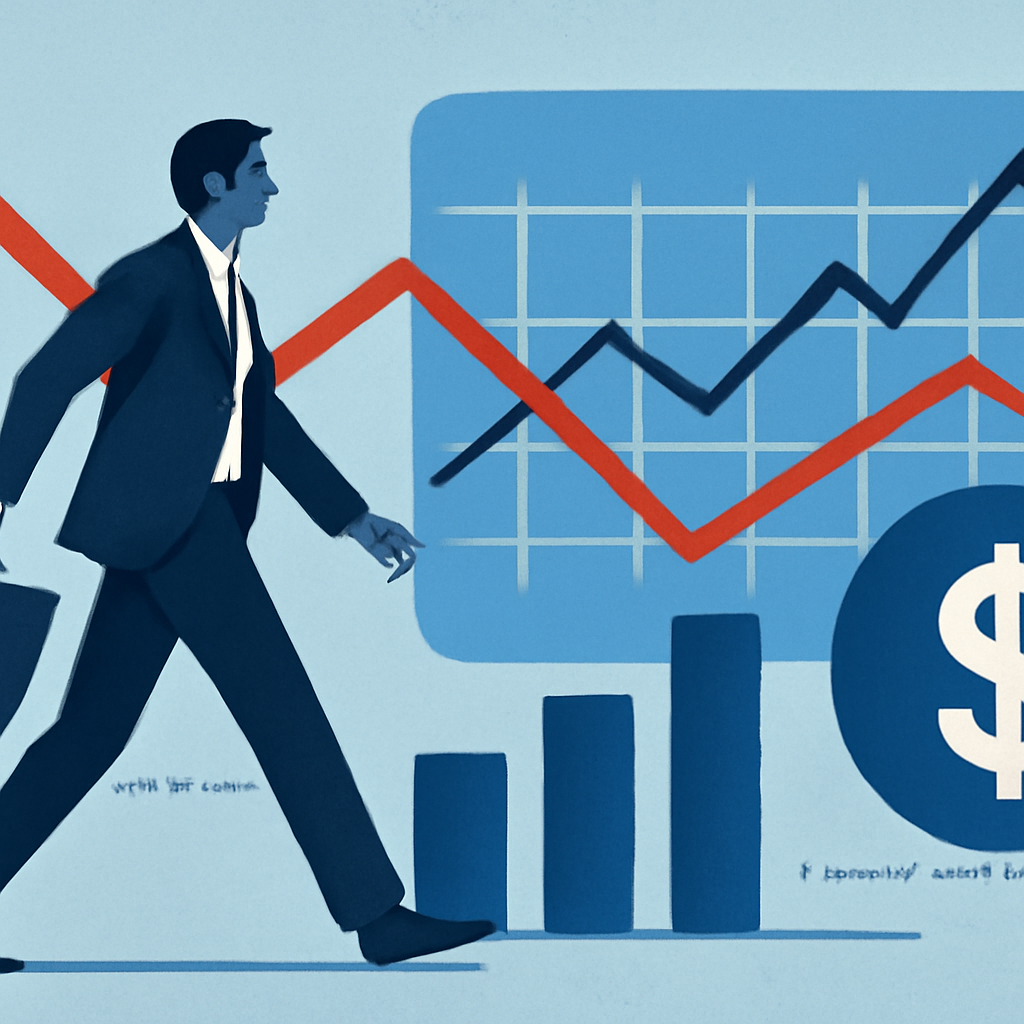
In June, the US economy added 57,000 jobs, a figure that fell short of economists' expectations. Analysts had predicted an increase of around 113,000 jobs, but the actual count was significantly lower. Meanwhile, the unemployment rate edged down to 4.2%, marking its lowest point in a year.
Why this matters
The discrepancy between the expected and actual job growth could signal underlying challenges in the labor market. While the slight decrease in the unemployment rate is a positive sign, the lack of robust job creation may raise concerns about the economic recovery's momentum. This situation could affect consumer confidence and spending, which are critical for sustained growth.
Context
Historically, job reports can influence financial markets and economic policy decisions. This month’s report comes after a series of positive data releases that seemed to indicate a recovering labor market. However, the mixed signals from private sector data and the disappointing jobs number suggest that the recovery may not be as strong as previously thought.
What this means
The lower-than-expected job growth could lead to cautious behavior from businesses and consumers alike. If companies are hesitant to hire, it may slow down wage growth and consumer spending, both vital for a healthy economy. Policymakers may need to consider these factors as they formulate strategies to stimulate job creation and bolster economic confidence moving forward.