What Happened
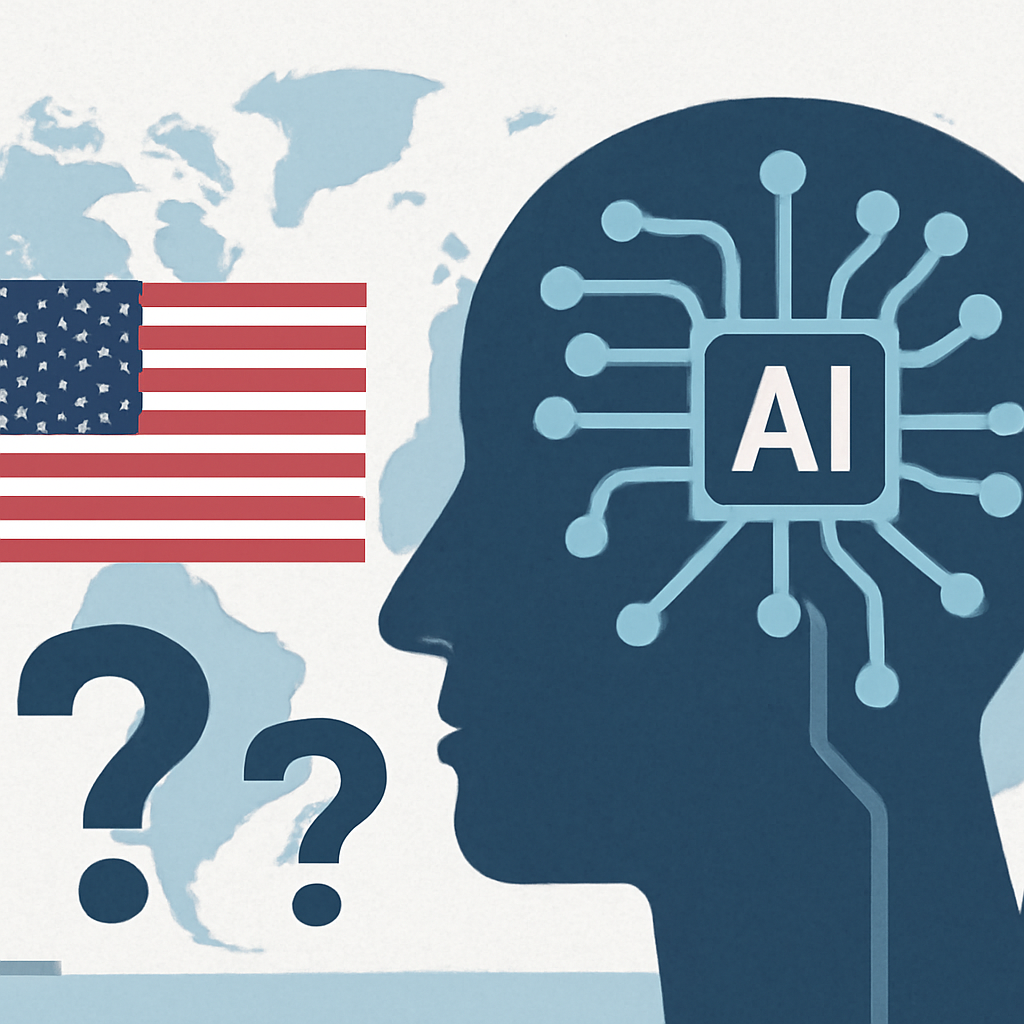
Recent discussions highlight a significant disparity in private AI investment, with the US spending approximately $285.9 billion compared to China's mere $12.4 billion. However, concerns arise over the potential long-term impacts of the US's recent policy decisions on immigration and talent acquisition.
Why It Matters
This investment gap suggests that the US should maintain its lead in AI research and development. However, the trend of declining foreign talent inflow—down 89% since 2017—could jeopardize this advantage. Talent is crucial for sustaining innovation, and any stagnation in this area may hinder future growth, regardless of current funding levels.
Context
The US's historical strength in AI has relied heavily on an influx of skilled professionals from abroad, particularly through programs like H-1B visas. Recent policy changes, including a hefty fee on new H-1B applications, could further deter foreign talent. Conversely, China is actively investing in its future with initiatives like the National Venture Capital Guidance Fund, which aims to foster early-stage companies over a two-decade timeline.
What It Means
The future of AI leadership may hinge not just on current funding levels but on the strategic direction of talent acquisition and investment. If the US's talent pipeline continues to shrink while China accelerates its early-stage investment, the landscape could shift despite the impressive spending gap. This scenario highlights the importance of composition and duration in investment strategies, suggesting that maintaining a competitive edge requires more than just financial resources. Without a reversal in US policy or a boost in talent inflow, the current situation may evolve in unexpected ways, prompting a reevaluation of investment strategies in the tech sector.