The Gist
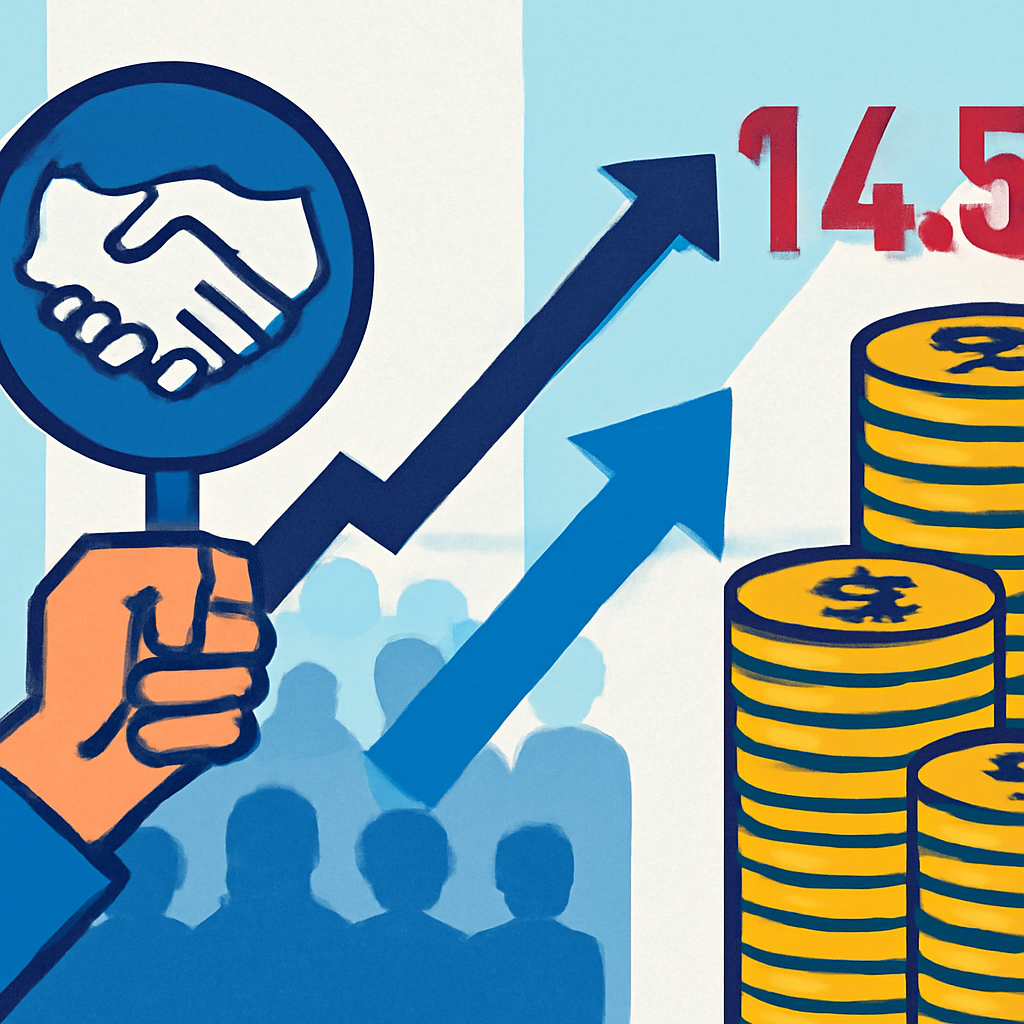
A recent report from the Economic Policy Institute (EPI) reveals that increasing union membership to 30% of the labor force could lead to a significant 14.5% wage increase for median workers. This could drastically alter the economic landscape for millions of American workers.
How It Worked
To achieve this increase, the report emphasizes the importance of legislative reforms. Key proposals include passing the Protecting the Right to Organize Act, which aims to expand collective bargaining rights, and introducing binding arbitration processes to ensure timely contract negotiations. Additionally, the report suggests implementing guaranteed cost-of-living raises in initial contracts and targeting employers with high CEO-to-worker pay ratios to engage in collective bargaining.
Results
If union membership were to triple, workers could collectively see an additional $1.2 trillion in annual income, equating to over $270,000 per worker over a 35-year career. The report also highlights that boosting union density could reduce racial wage disparities by over a third and promote wage growth that keeps pace with productivity increases, which have been outpacing wages for the last 40 years.
Why It Matters for You
For business owners and policymakers, understanding the potential impact of unionization is crucial. The insights from the EPI report indicate that fostering a supportive environment for unions could lead to a healthier economy and more equitable wage distribution. Consider advocating for labor law reforms or supporting initiatives that promote union membership to enhance economic stability in your community.