What Happened
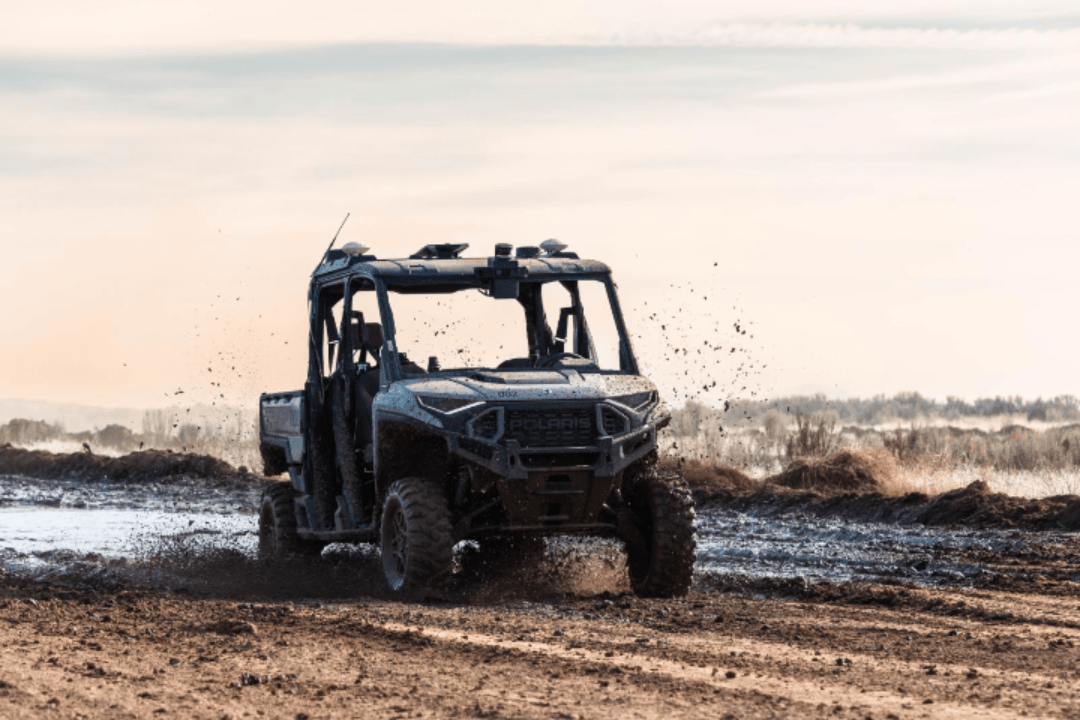
Forterra, a tech company specializing in autonomous vehicles, has introduced more than 100 self-driving all-terrain vehicles (ATVs) into the conflict zones of Ukraine. These vehicles are designed to operate without human drivers, allowing them to navigate challenging landscapes and perform various tasks crucial to military logistics.
Why It Matters
The deployment of these autonomous ATVs represents a significant shift in how military operations can be conducted. With the ability to transport supplies and equipment without risking human lives, these vehicles can enhance operational efficiency and reduce casualties. As such technologies gain traction, they may alter the dynamics of warfare, pushing nations to adapt to rapidly evolving military capabilities.
Context
The use of autonomous vehicles in military applications is not entirely new, but Forterra's implementation in a real conflict zone marks a notable milestone. Historically, military forces have been exploring robotic technologies to enhance their operational capabilities, from drones to ground vehicles. The introduction of autonomous ATVs in Ukraine signifies a growing reliance on technology to support troops in increasingly dangerous environments.
What It Means
The successful deployment of self-driving ATVs in Ukraine could pave the way for further innovations in military technology. As these vehicles demonstrate their effectiveness in the field, other nations may consider similar technologies to bolster their own military operations. Additionally, this trend highlights the importance of automation in combat scenarios, potentially reshaping the future of warfare as we know it.