What Happened
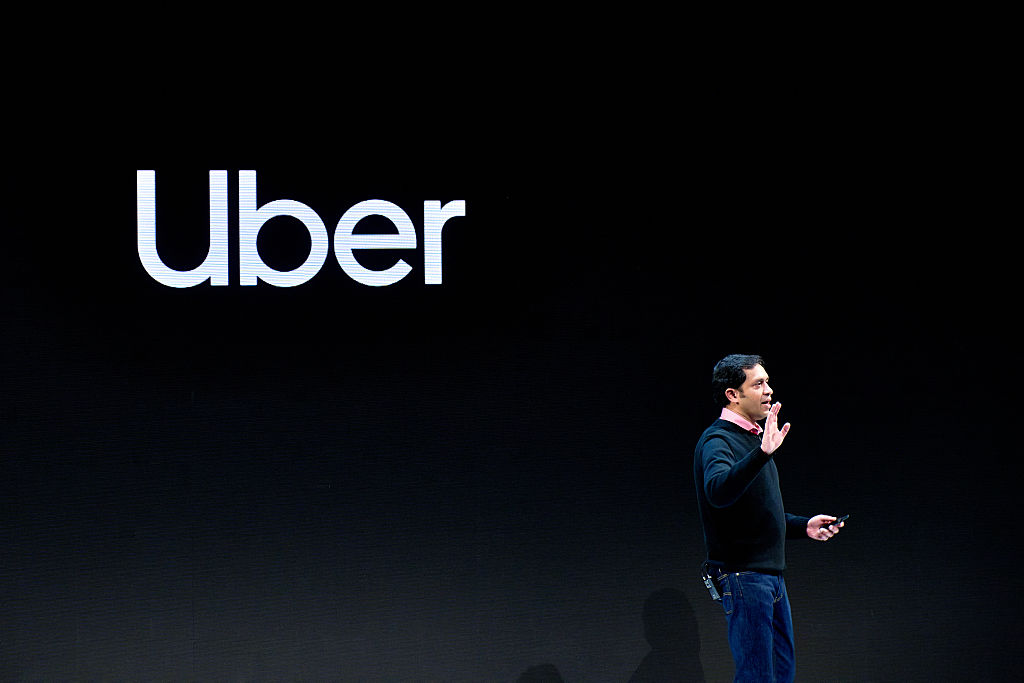
Uber's Chief Product Officer, Sachin Kansal, recently shared insights into the company's evolving strategies and ambitions. He highlighted Uber's interest in expanding its financial services, its complex partnership with Waymo, and the establishment of their new AV Labs data operation. Furthermore, Kansal discussed how artificial intelligence is beginning to impact the experiences of both riders and drivers.
Why It Matters
Uber's plans to delve deeper into financial services could significantly change the way users interact with the platform. This move aims to enhance customer loyalty by offering more integrated services. Additionally, the relationship with Waymo, a leader in autonomous vehicle technology, could either bolster or complicate Uber's own ambitions in the self-driving space. As the company navigates these partnerships, it will influence their market positioning and competitive edge.
Context
Historically, Uber has positioned itself as a ride-sharing service, but the landscape is shifting dramatically. The rise of autonomous vehicles and the integration of AI are changing industry norms. This transition is not just about expanding services; it’s about redefining what a transportation company can be. Uber has been exploring various avenues, including financial products, to diversify its offerings beyond rides.
What It Means
Uber's strategy to avoid being "everything for everyone" suggests a focused approach to growth. By honing in on specific services—like financial offerings and advanced technologies—Uber aims to enhance user experience while maintaining its core identity. This could lead to more tailored and meaningful interactions for users, potentially setting new standards in the industry. As AI becomes more integrated into their services, both riders and drivers can expect noticeable improvements, marking a significant evolution in Uber's operational model.