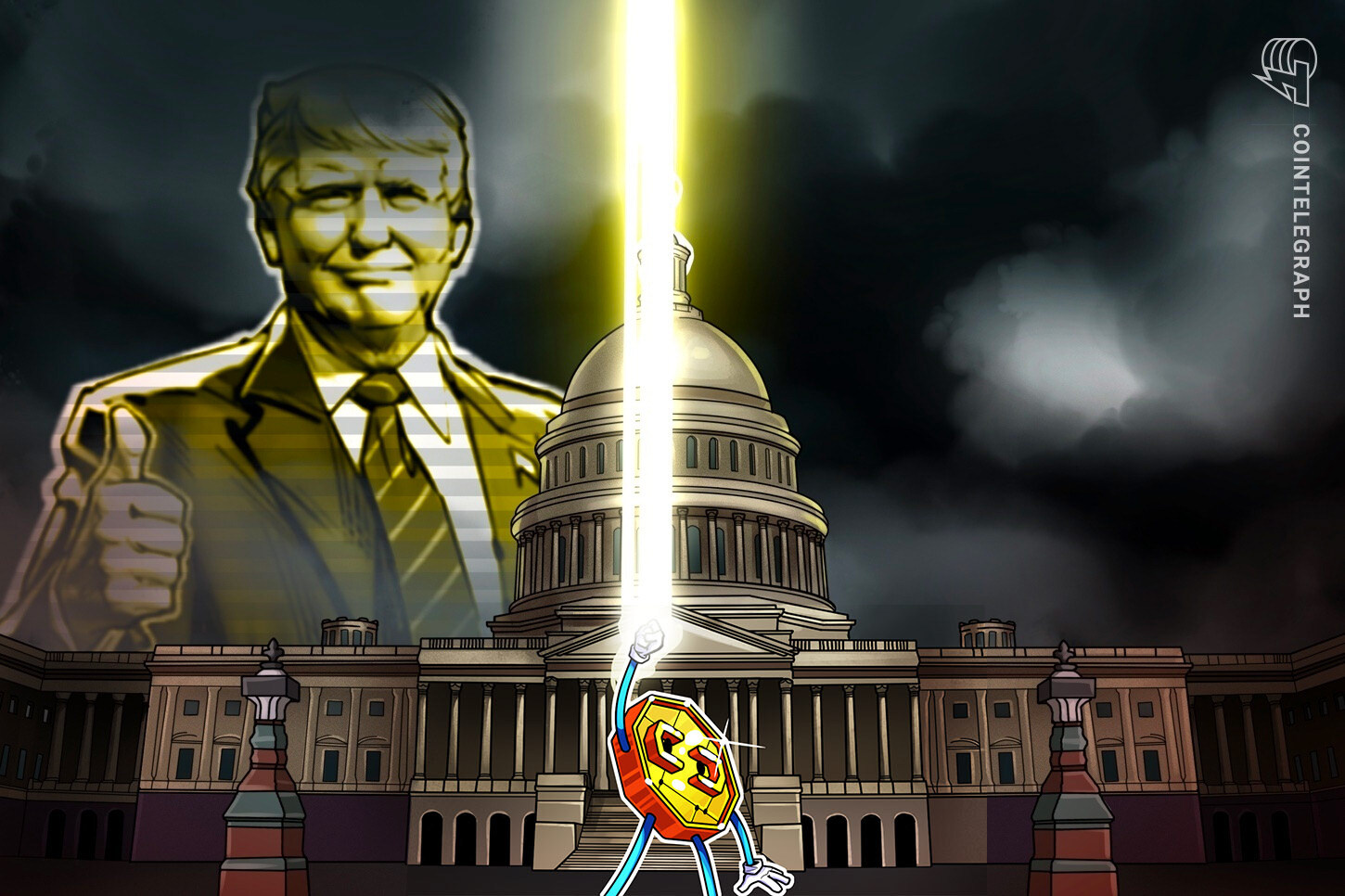
What Happened
Donald Trump has recently highlighted the death of Senator Lindsey Graham as a pivotal moment for pushing a new cryptocurrency market structure bill. With the current Republican majority in the Senate diminished to 51-47, the dynamics of support for this legislation have changed significantly. This situation underscores the delicate balance of power in the chamber, making bipartisan cooperation more essential than ever.
Why It Matters
The reduction in Republican seats means that passing the crypto bill may require additional backing from Democrats. This shift could lead to more negotiations and compromises, affecting the speed and nature of the proposed legislation. If the bill successfully passes, it could pave the way for clearer regulations within the cryptocurrency space, which many stakeholders have been advocating for.
Context
Historically, cryptocurrency regulations have faced various challenges in Congress, often stalled by partisan disagreements. The death of a senator and the hospitalization of another have introduced a new layer of complexity to the legislative process. Trump's involvement amplifies attention on the issue, potentially mobilizing both supporters and opponents of the bill.
What It Means
The situation reveals how external events can influence legislative priorities. Trump's call for action may resonate with his base and create urgency around the crypto bill, but it also emphasizes the need for cooperation across party lines. As the Senate adjusts to its new balance, stakeholders in the crypto market will be closely watching how these dynamics unfold and what they might mean for the future of digital currencies in the U.S.