What happened
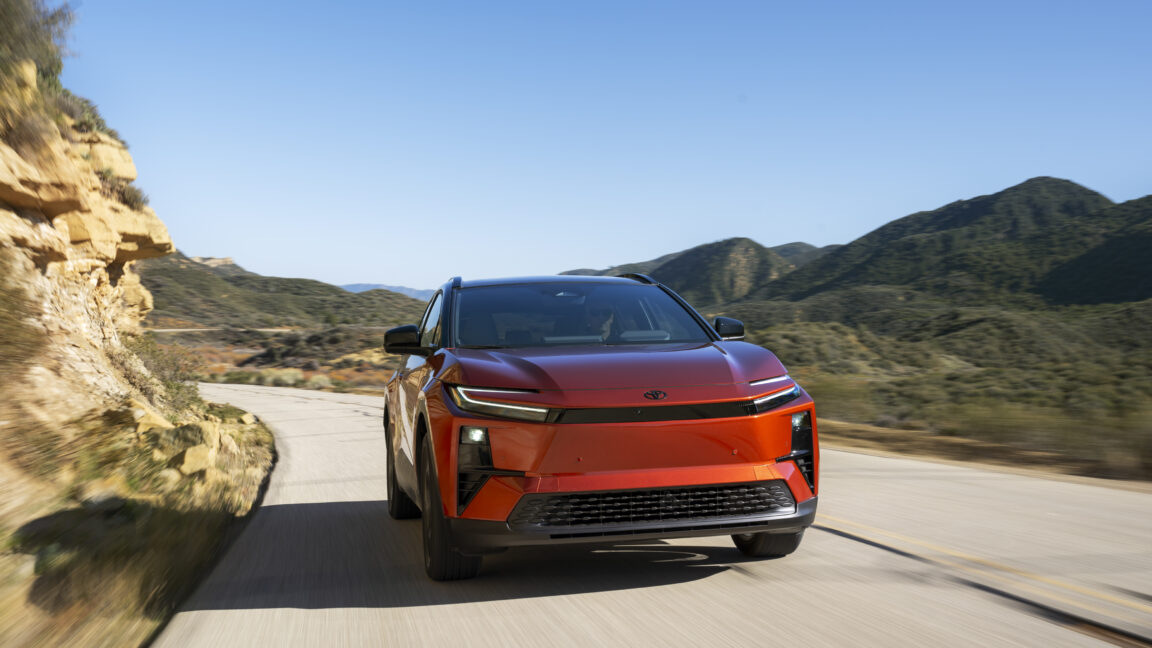
Toyota has been ramping up its electric vehicle lineup in North America, following a slower start compared to competitors. The latest addition to this lineup is the Toyota C-HR, a compact SUV that aims to attract consumers looking for a smaller, more agile electric vehicle. Unlike its larger counterpart, the bZ4x, the C-HR offers a single powertrain option, which includes a dual-motor all-wheel-drive system.
Why this matters
The C-HR is priced starting at $37,000 and features a 74.7 kWh battery pack, providing a combined output of 338 horsepower. This makes it an appealing option for those who want a smaller SUV without sacrificing power. However, it's important to note that it is not significantly cheaper than the bZ4x when equipped with the same powertrain, which can lead to questions about its overall value in the market.
Context
Historically, Toyota has been a slow mover in the electric vehicle space, but its recent efforts, including the launch of the bZ series, show a strategic shift. The bZ4x received mixed reviews, prompting the company to innovate further with new models like the C-HR and bZ Woodland. This highlights Toyota's commitment to capturing a share of the growing EV market, particularly among buyers who may not need the size or features of larger SUVs.
What this means
The introduction of the C-HR signifies Toyota's understanding of consumer demand for compact electric vehicles. As more people seek smaller, efficient options, the C-HR's performance and pricing could attract a diverse range of buyers. However, the competitive pricing strategy raises questions about its market positioning against other electric SUVs. If the C-HR can deliver on performance and efficiency, it has the potential to carve out its niche in a rapidly evolving automotive landscape.