What Happened
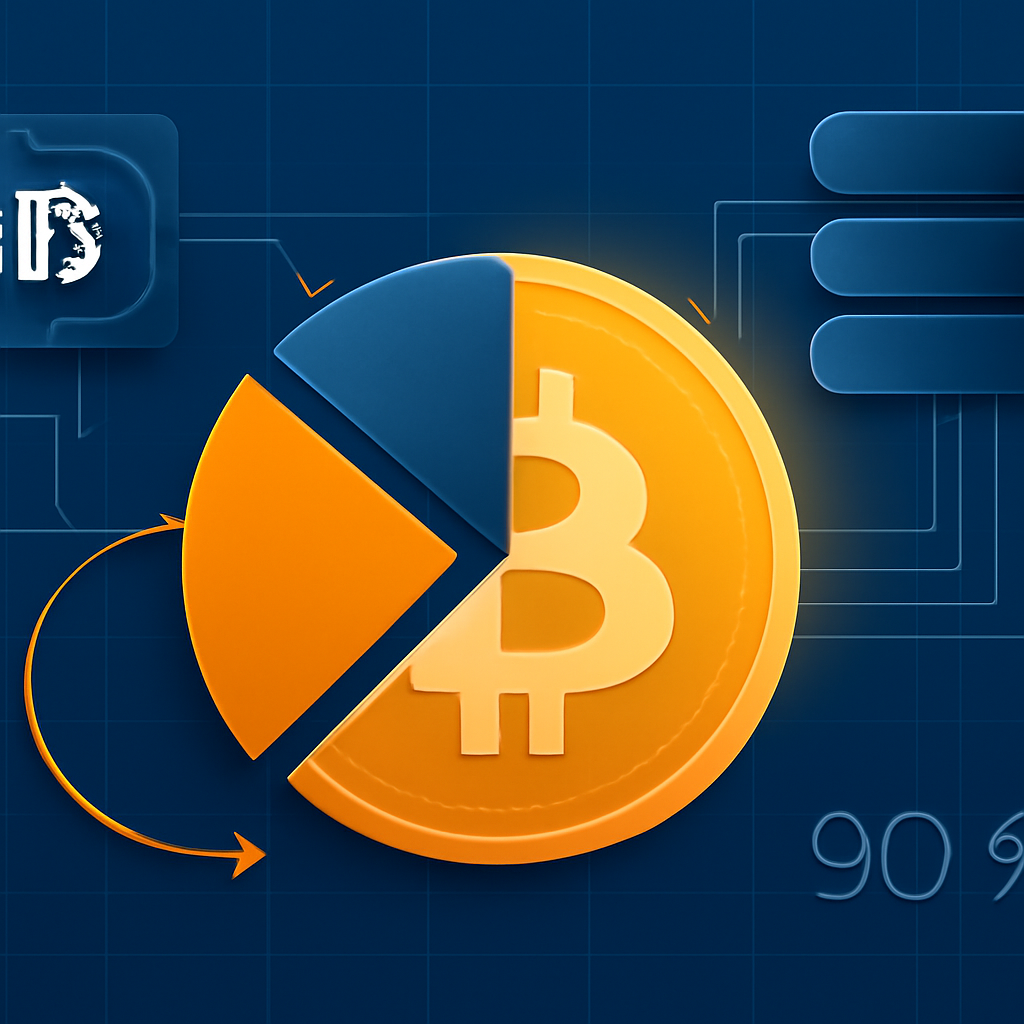
According to a report by Bitwise, individual investors now own a significant 66.1% of the total Bitcoin supply. This figure far exceeds the 7.8% held by businesses and the 7.2% that is in funds and exchange-traded funds (ETFs). This data sheds light on the actual distribution of Bitcoin ownership, revealing that the majority of Bitcoin is not in the hands of large institutions or Wall Street, but rather with everyday individuals.
Why It Matters
The dominance of individual investors in the Bitcoin market has important implications. It indicates that the cryptocurrency is still largely a grassroots phenomenon, driven by everyday people rather than corporate entities. This distribution can affect market dynamics, as individual investors may react differently to price changes compared to institutions. Additionally, it highlights the potential resilience of the Bitcoin community, as a larger base of individual holders may lead to increased demand and stability over time.
Context
Bitcoin was created in 2009 as a decentralized digital currency aimed at empowering individuals. Over the years, interest from institutional investors has grown, leading to the perception that large entities dominate the market. However, this latest finding from Bitwise challenges that narrative, emphasizing the continued importance of retail investors in the cryptocurrency landscape.
What It Means
The data from Bitwise reinforces the idea that Bitcoin remains a tool for individual empowerment. With the majority of Bitcoin owned by individuals, the market is less susceptible to the whims of Wall Street. This ownership structure may encourage more innovation within the cryptocurrency space, as individuals actively participate in the ecosystem. Furthermore, it suggests that Bitcoin can be viewed as a personal asset rather than just a financial instrument for institutions, potentially driving further adoption among the general public.