What Happened
A recent study has revealed that a significant number of individuals in specific areas of the United States may carry antibodies related to a red meat allergy triggered by tick bites. This finding indicates that up to 30% of people in some regions could be affected, which is far higher than the Centers for Disease Control and Prevention's previous estimate of only 0.14% of the population actually having the allergy. The study analyzed blood donations for the key antibody associated with this condition.
Why It Matters
The implications of these findings are serious. If so many more people are carrying the antibody, it suggests a heightened risk for severe allergic reactions to red meat, which can turn a simple meal into a potentially life-threatening situation. This raises concerns not only for individuals who eat red meat but also for public health awareness and food safety protocols, as many may unknowingly consume products that could trigger an allergic reaction.
Context
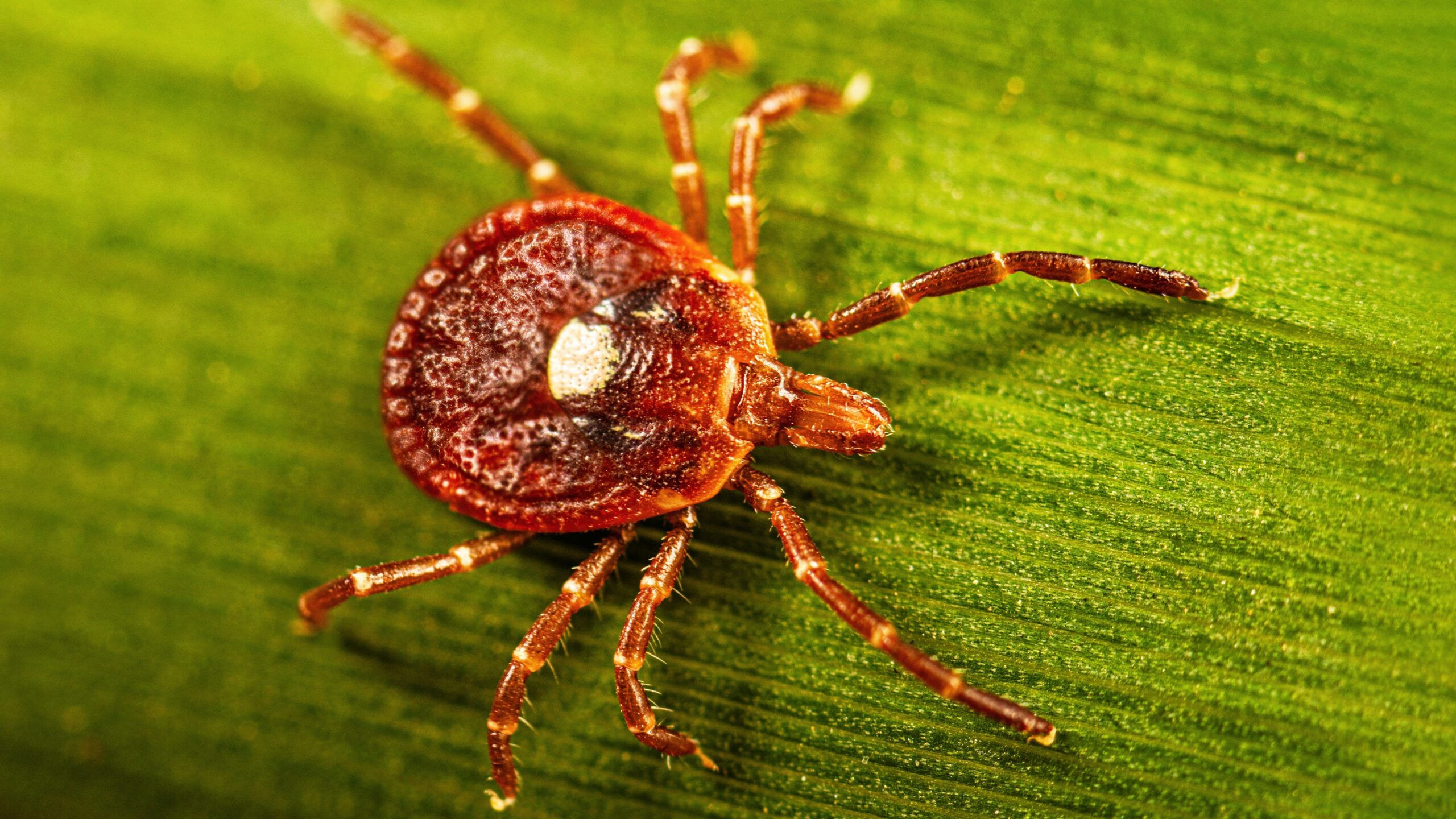
The allergy in question is tied to a specific antibody known as IgE, which targets a sugar molecule called alpha-gal. This molecule is found in the cells of non-primate mammals and is also released by certain ticks, particularly the lone star tick. When a person is bitten by an infected tick, their immune system may respond by producing IgE antibodies against alpha-gal, leading to allergic reactions when red meat or other related products are consumed.
What It Means
The study underscores a significant gap in our understanding of the alpha-gal allergy and the challenges surrounding its diagnosis. With many individuals potentially carrying the antibodies but not having a formal diagnosis, awareness campaigns and better diagnostic practices are needed. As the research progresses, it will be essential for healthcare providers to consider tick-linked allergies as a growing concern in their assessments, especially in areas where tick populations are increasing. This newfound knowledge could ultimately reshape dietary advice and health policies regarding meat consumption in tick-endemic regions.