What Happened
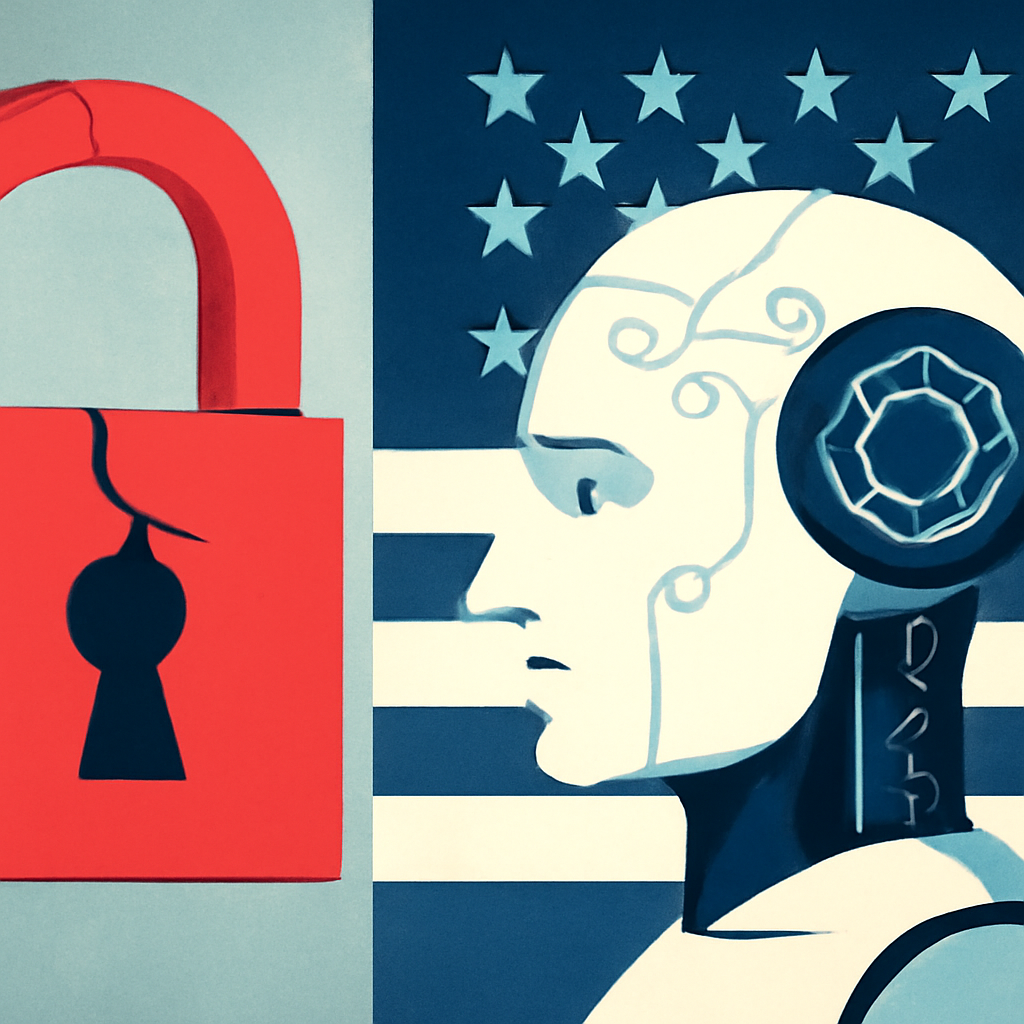
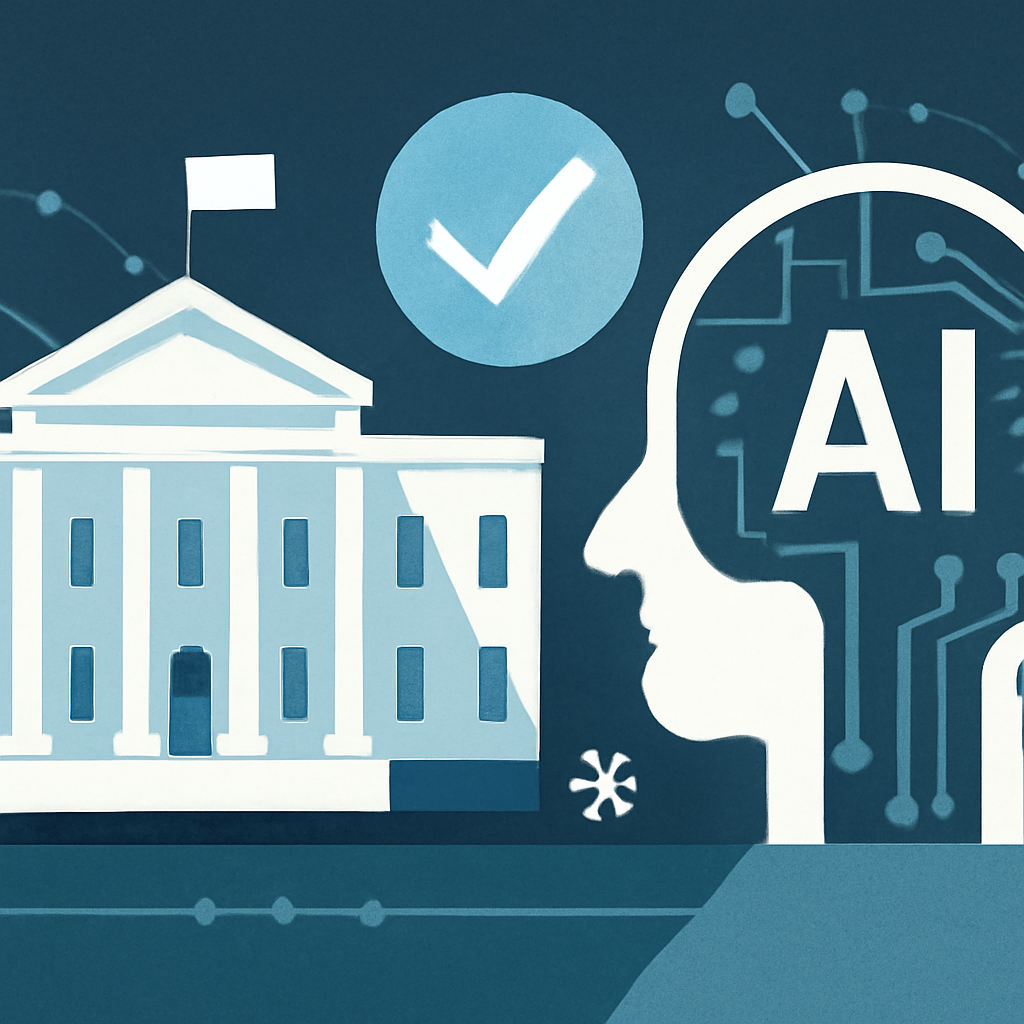
U.S. authorities are in the final stages of negotiations with major players in artificial intelligence, including OpenAI, Google, and Anthropic. The main goal of these discussions is to develop voluntary standards for the creation and implementation of new AI models. Final recommendations are expected to be presented next week, but delays may occur if participants cannot reach a consensus.
Why This Matters
Establishing standards could significantly impact the AI market. Companies will be able to operate under unified rules, ensuring a higher degree of reliability and safety for technologies. This could also help users better understand what they are getting and how AI works, thereby reducing risks and potential threats. The introduction of such standards could be a major step toward more responsible AI development.
Context
The topic of regulating artificial intelligence has become particularly relevant in recent years. As AI gains popularity and is integrated into various aspects of life, including healthcare and finance, the need for clear rules and norms arises. Many experts believe that the lack of regulation could lead to negative consequences, such as data breaches or the misuse of AI for harmful purposes.
What It Means
If voluntary standards are implemented, this could lead to the creation of safer and more reliable technologies. By adhering to uniform norms, companies will be able to enhance user and regulatory trust in their products. Ultimately, this could lay the groundwork for more sustainable industry growth, fostering innovation while protecting the interests of all stakeholders.