The landscape of humanoid robotics is evolving, and the next generation might not resemble humans at all. Take Eno, the latest creation from the French startup Genesis AI, which is supported by former Google CEO Eric Schmidt. Unlike traditional humanoid robots, Eno emphasizes capability over appearance, aiming to serve as a versatile, general-purpose robot rather than being limited to a specific function, such as laundry folding.
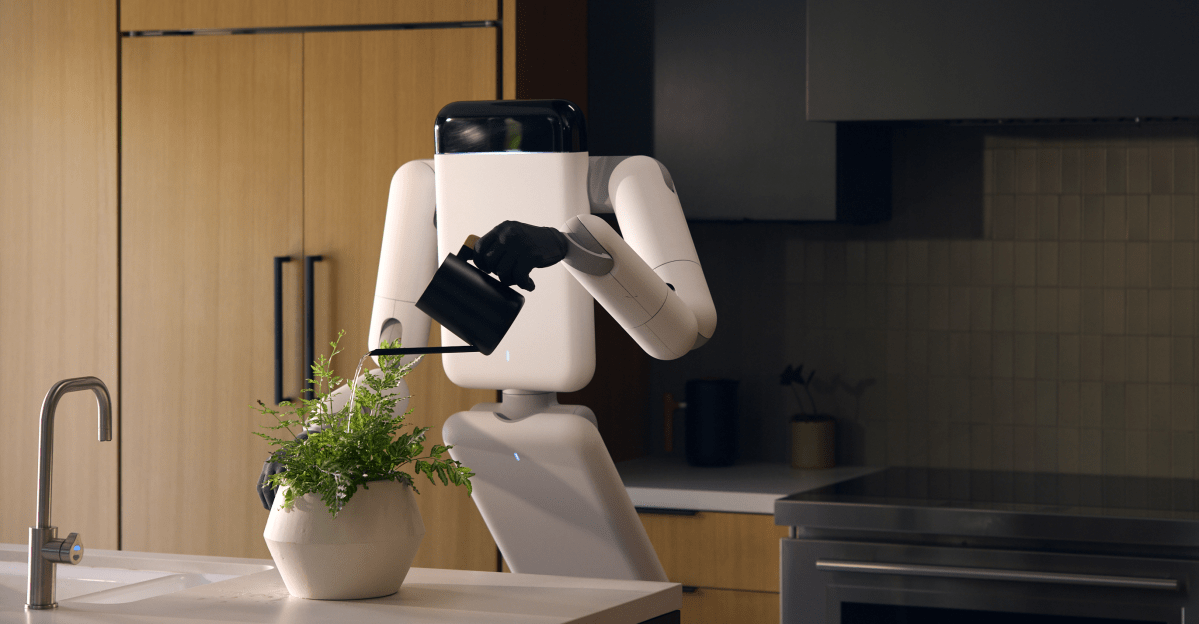
Eno is characterized by its unique design, which might lack a head or legs, instead opting for a practical wheeled base that allows it to fold and store like a deck chair. This innovative approach underscores the philosophy that humanoid robots can be highly functional without mimicking human form.
However, one aspect of Eno remains decidedly human: its hands. Designed to replicate the form and functionality of human hands, they are integral to the robot's ability to interact with its environment effectively. Genesis AI believes that focusing on human capabilities rather than just aesthetics will lead to more efficient and adaptable robots in the future.