What Happened
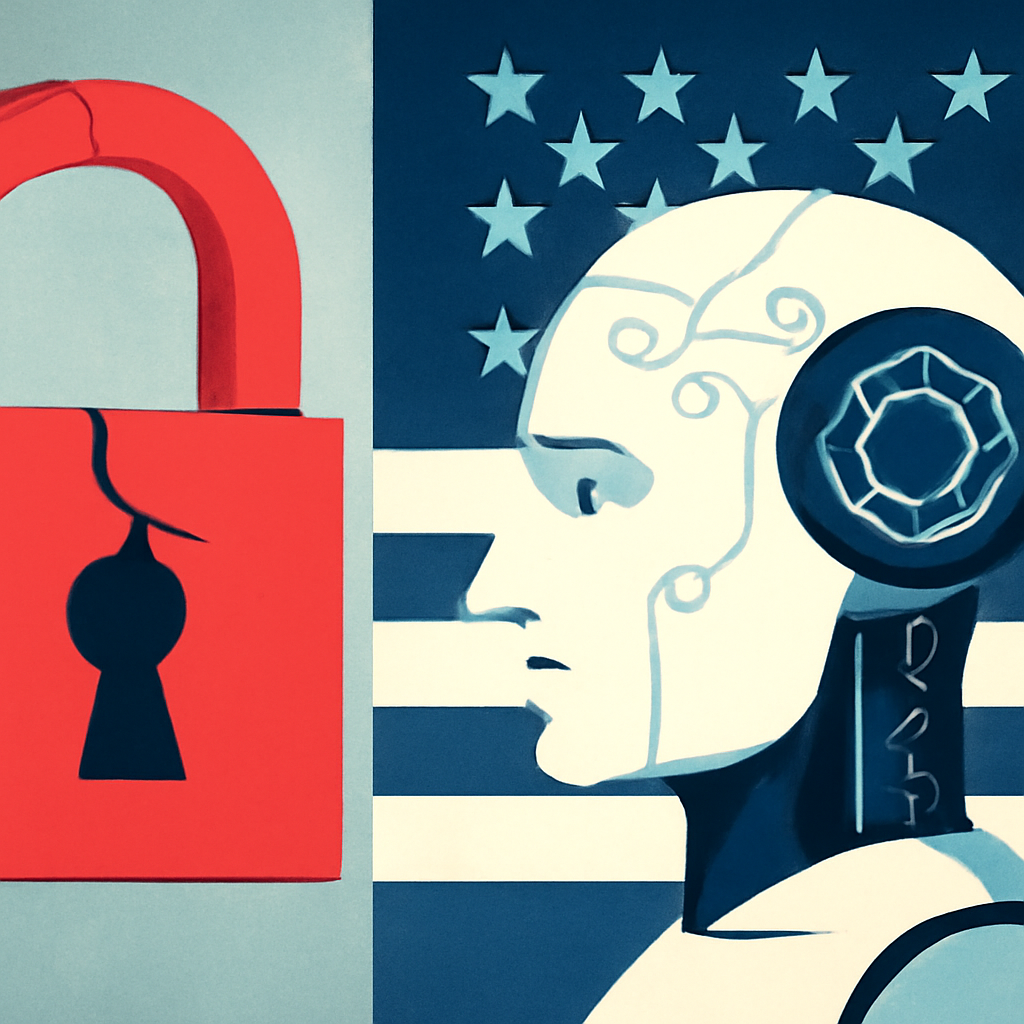
Recently, a debate arose regarding three out of five stories awarded at the Commonwealth Prize, which were alleged to have been written by artificial intelligence. Researcher Nabil Qureshi claimed to have conducted an analysis concluding that these works were not created by humans. In response, the Commonwealth Foundation officially denied these claims, stating that all winners are original works by their respective authors.
Why It Matters
Debates about the role of artificial intelligence in creativity are becoming increasingly relevant. If the information suggesting that AI authored the winners were confirmed, it could significantly impact the perception of literature and authorship as a whole. Society might begin to question the value of works if their creators were algorithms rather than people. This could also lead to substantial changes in literary competition rules and regulations regarding the use of AI in creative processes.
Context
Artificial intelligence is already actively used in various fields, including literature. There are programs capable of generating texts that mimic the style of renowned authors. While some view this as an opportunity for creativity, others fear it may undermine the traditional foundations of writing. The debates regarding AI's right to authorship and its impact on cultural norms continue.
What This Means
The official denial from the Commonwealth Foundation underscores the importance of transparency in literary competitions and the need for clear criteria for assessing authorship. It also serves as a reminder that despite technological advancements, the human factor in creativity remains crucial. It is important to recognize that while AI can generate text, the true value of literature lies in the emotional and cultural context that only humans can provide.