What happened
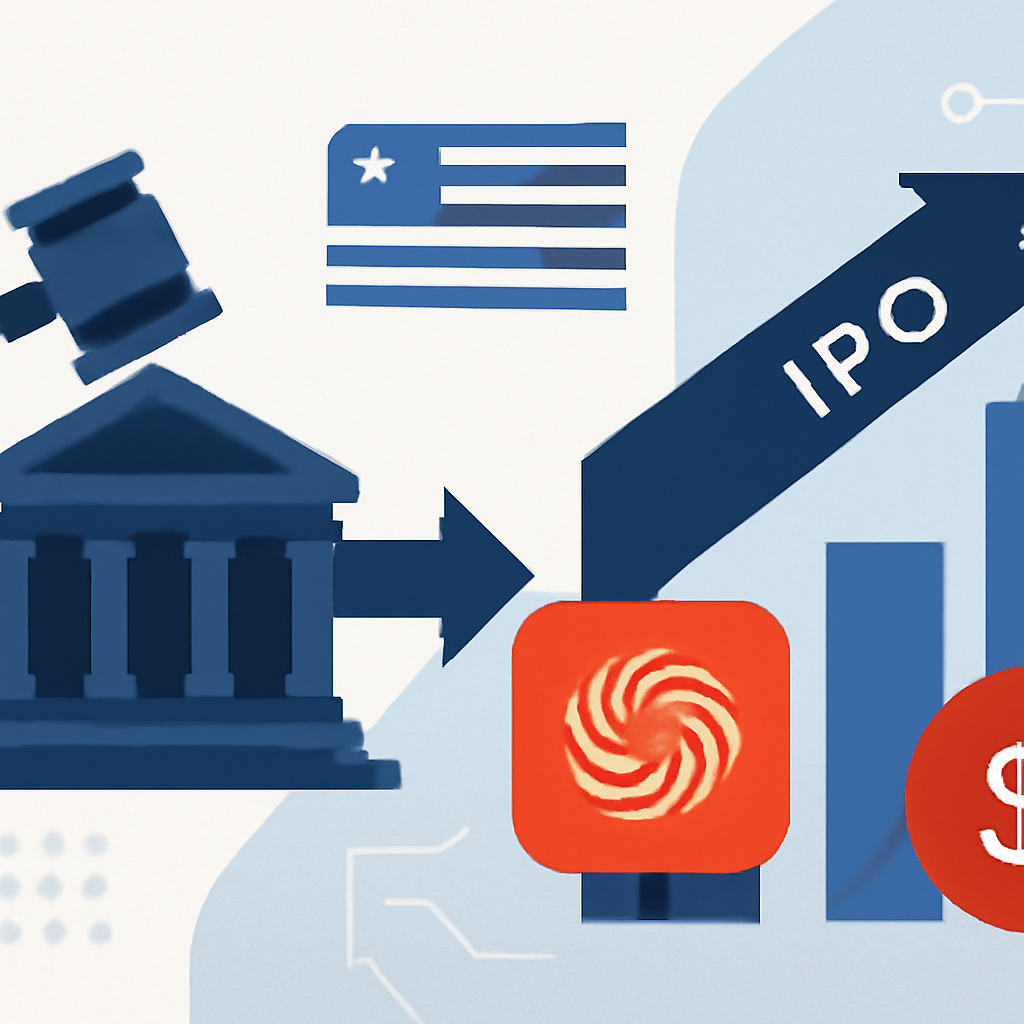
In a significant shift, Nasdaq recently altered the requirements for companies to enter the Nasdaq 100. Previously, companies needed to have a seasoning period of 3 to 12 months and maintain a public float of at least 10%. Now, if a company ranks among the top 40 by market capitalization, it can qualify for inclusion after just 15 trading days, with no float requirement. A prime example of this is SpaceX, which listed with only a 4% free float, resulting in an estimated $22 to $27 billion in forced passive buying. This same dynamic is expected to apply to other major players like OpenAI and Anthropic.
Why this matters
The implications of these changes are profound. The U.S. IPO market, which raised only $45 billion in 2024, is facing a staggering projected liquidity drain of $4 trillion this year. This influx of capital into high-profile tech stocks like those in the Nasdaq 100 could lead to significant pressure on other market sectors. As capital moves out of emerging market debt and secondary U.S. equities to chase these new listings, we could see rising yields and weaker currencies, alongside stalled equity markets.
Context
Historically, major market shifts often lead to liquidity drains in various sectors. The current situation, driven by an aggressive IPO environment and the allure of tech stocks, threatens to repeat past mistakes. As seen in previous market cycles, such rapid capital movements can create vulnerabilities in the markets that are losing liquidity. The current dynamics are echoing earlier crises where assets like gold and cryptocurrencies were adversely affected as investors sought more lucrative opportunities elsewhere.
What this means
The ongoing liquidity drain poses serious risks for investors. With gold down approximately 25% from its January 2026 peak and Bitcoin dropping nearly 50% from its all-time high, many traditional safe havens are faltering. This reflects a broader trend where capital is being siphoned off from stable assets to fuel the Nasdaq 100's meteoric rise. As this wave of forced buying continues, the markets that are losing liquidity may struggle to recover when the investment rotation inevitably reverses. Investors should remain vigilant and monitor early signs of stress in emerging markets and other stressed assets, as they could indicate larger systemic issues ahead.