What happened
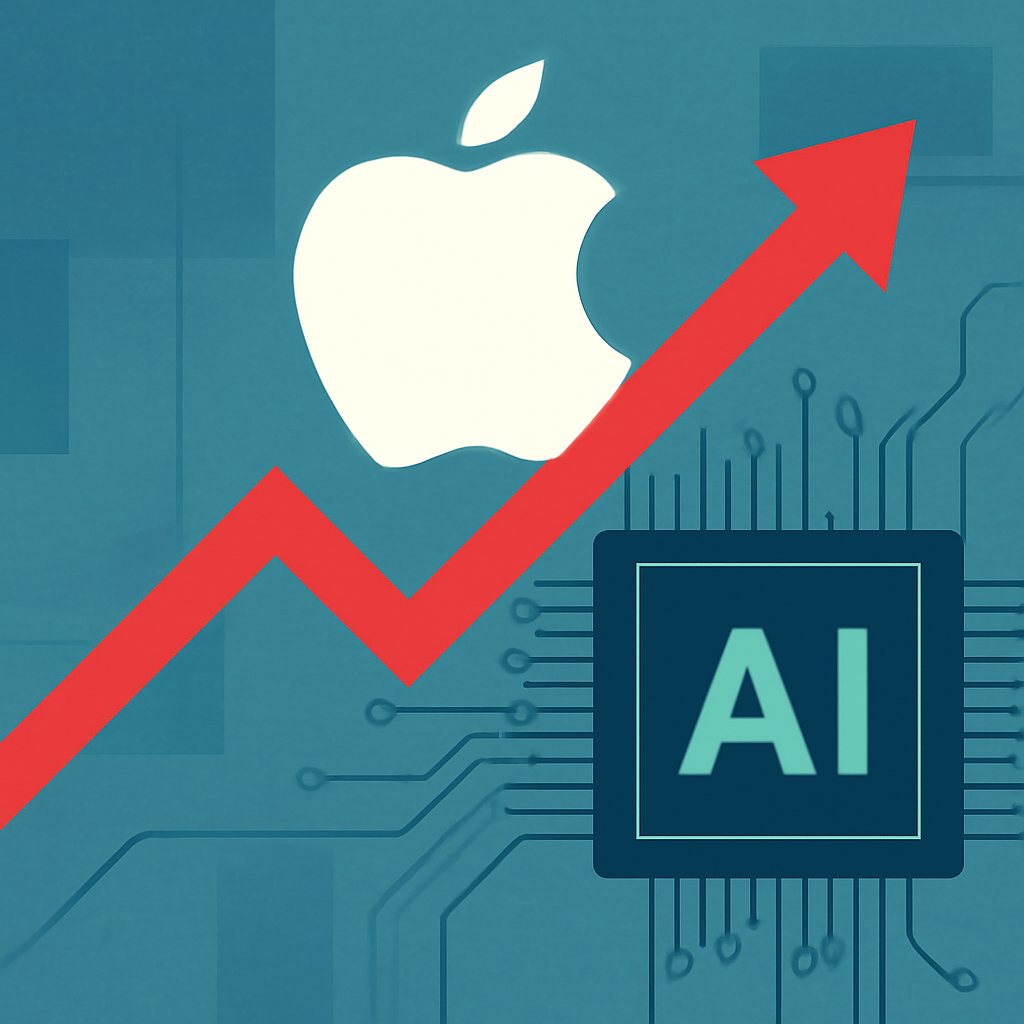
Apple's CEO, Tim Cook, has announced that the company will raise prices on its products due to a significant increase in memory chip costs. He emphasized that these price hikes are inevitable as the current situation regarding memory chips has become unsustainable. However, the specific timeline and which products will see price increases remain unclear, including the anticipated iPhone 18, set to launch in September.
Why this matters
The rising costs of memory chips are a direct consequence of the surging demand driven by the artificial intelligence (AI) sector. As more companies integrate AI technologies into their products, the competition for essential components like memory chips intensifies, leading to higher prices. This situation mirrors past events in the tech industry, particularly the GPU shortage during the cryptocurrency boom, which similarly affected consumers and gamers.
Context
Historically, memory chips have played a crucial role in the functionality of smart devices, including smartphones and computers. In recent months, the demand for these chips has skyrocketed as AI applications require more processing power and memory. This increased demand has caused a ripple effect, pushing prices up and creating a challenging environment for manufacturers like Apple.
What it means
The anticipated price increases from Apple could signal a broader trend in the tech industry where consumers may need to brace for higher costs across various products. If other companies follow suit, this could lead to a significant shift in consumer spending habits and overall market dynamics. As memory chips become more expensive, consumers might have to weigh the benefits of upgrading their devices against the increased costs, potentially slowing down sales for tech companies in the long run.