What Happened
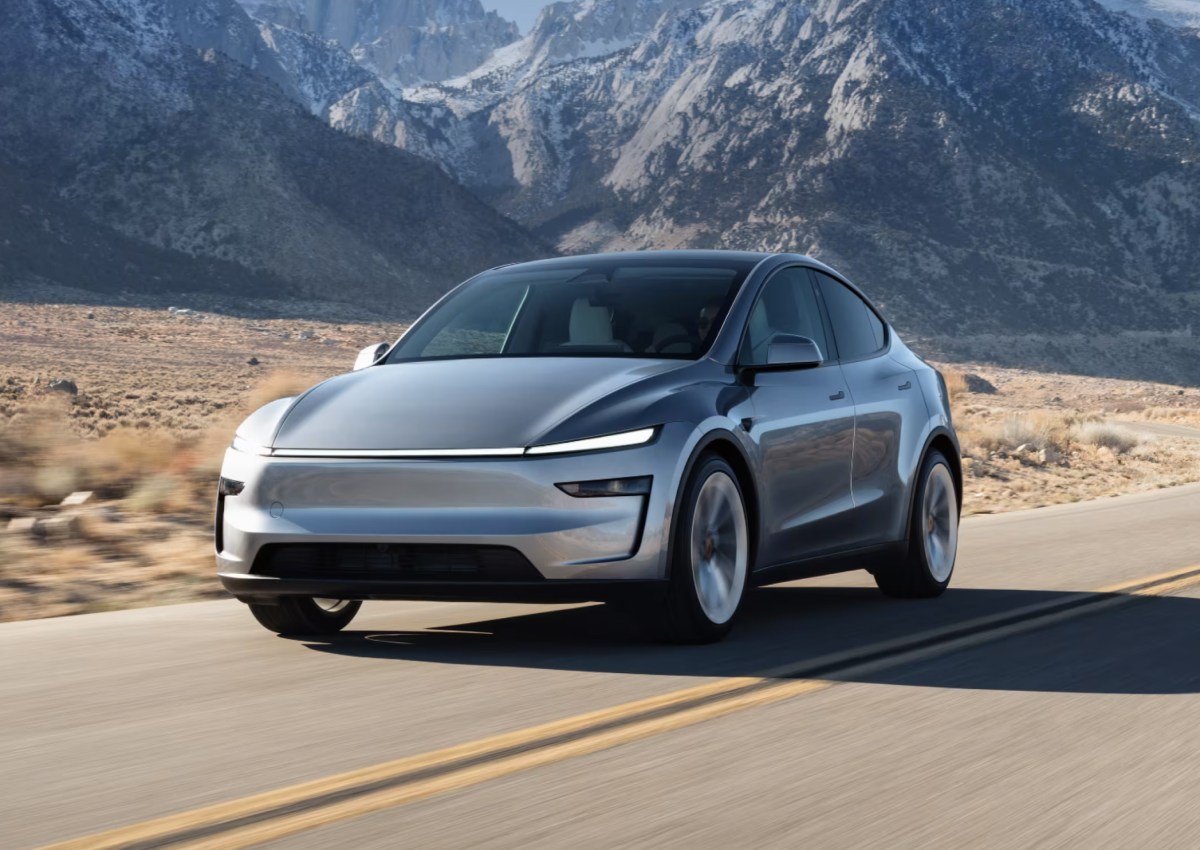
Tesla has reported an astonishing increase in its sales figures for the second quarter, delivering more than 480,000 electric vehicles (EVs) worldwide. This surge in deliveries can be attributed to a combination of geographic expansion and the introduction of more affordable models, including updates to the Model 3 and Model Y, as well as the much-anticipated Cybertruck.
Why It Matters
This significant uptick in sales is crucial for Tesla as it demonstrates the company's ability to scale production and meet growing demand in various markets. Increased accessibility through cheaper vehicle options could attract a broader customer base, positioning Tesla as a leading player in the EV market. This growth not only boosts Tesla's revenue but also reinforces its competitive edge against other automotive manufacturers.
Context
Historically, Tesla's growth has been driven by innovation and a strong brand following. The company's early focus on high-end electric vehicles helped establish its reputation, but as the market matures, Tesla has recognized the need to diversify its offerings. The introduction of more affordable models aligns with industry trends where consumers are increasingly looking for cost-effective yet sustainable transportation solutions.
What It Means
The recent sales boom indicates that Tesla is on a positive trajectory, leveraging strategic pricing and global expansion to capture market share. As more consumers opt for electric vehicles, Tesla's proactive approach could lead to sustained growth in the coming quarters. This trend is likely to encourage other automakers to accelerate their EV plans to compete, ultimately benefiting the entire electric vehicle ecosystem.