What happened
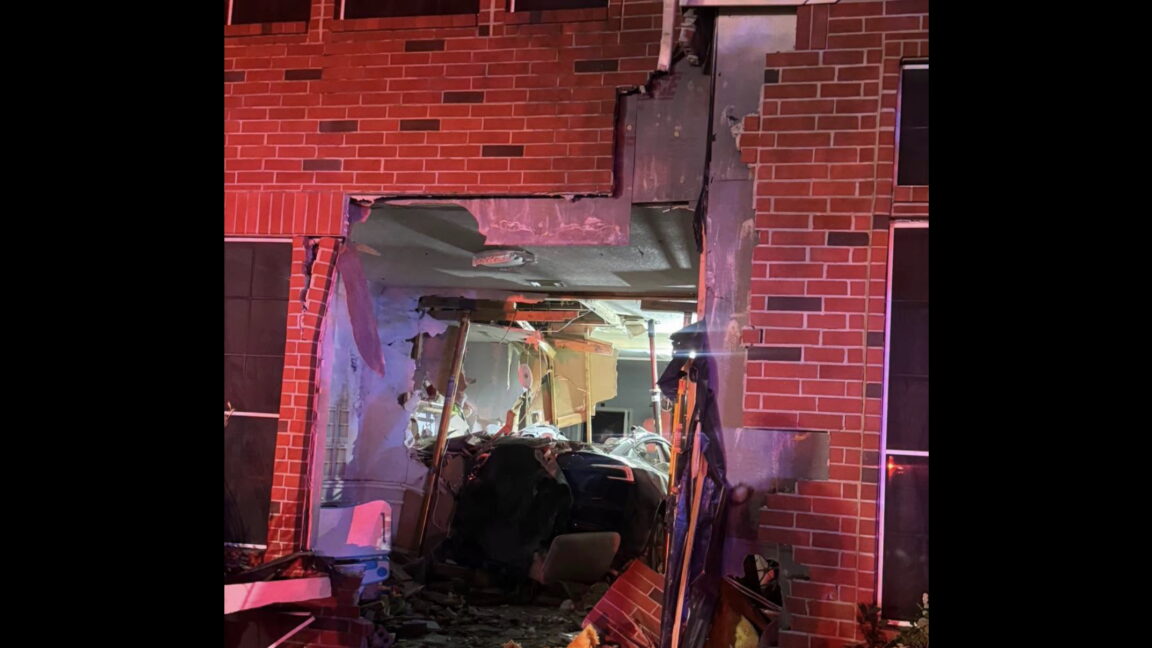
An elderly woman in Texas tragically died when a Tesla Model 3 crashed into her home. The driver, Michael Butler, was reportedly using Tesla's Autopilot feature at the time of the accident. According to the Harris County Sheriff’s Office, Butler lost control of the vehicle, veered off the road, and collided with the house at a high speed.
Why this matters
This incident is particularly concerning as it raises critical questions about the reliability of automated driving systems like Tesla’s Autopilot. With increasing reliance on such technologies, the safety implications become more significant, especially if these systems are involved in accidents that result in fatalities. Investigators are looking into whether the Autopilot feature contributed to the crash, which could have broader ramifications for Tesla and the autonomous vehicle market as a whole.
Context
Tesla’s Autopilot system has been both praised for its advanced technology and criticized due to various accidents. Previous incidents have prompted discussions about the limits of autonomous driving features and the responsibility of drivers. Autopilot is designed to assist with driving tasks but still requires drivers to maintain control and be attentive.
What this means
As investigations continue, this tragic event underscores the importance of thoroughly understanding and regulating automated driving technologies. It raises the need for clearer guidelines on the use of such systems and highlights the potential dangers if drivers rely too heavily on automation. If fault is found with the Autopilot system, it could lead to stricter regulations for Tesla and similar companies, ultimately affecting how these technologies are deployed and perceived in the future.