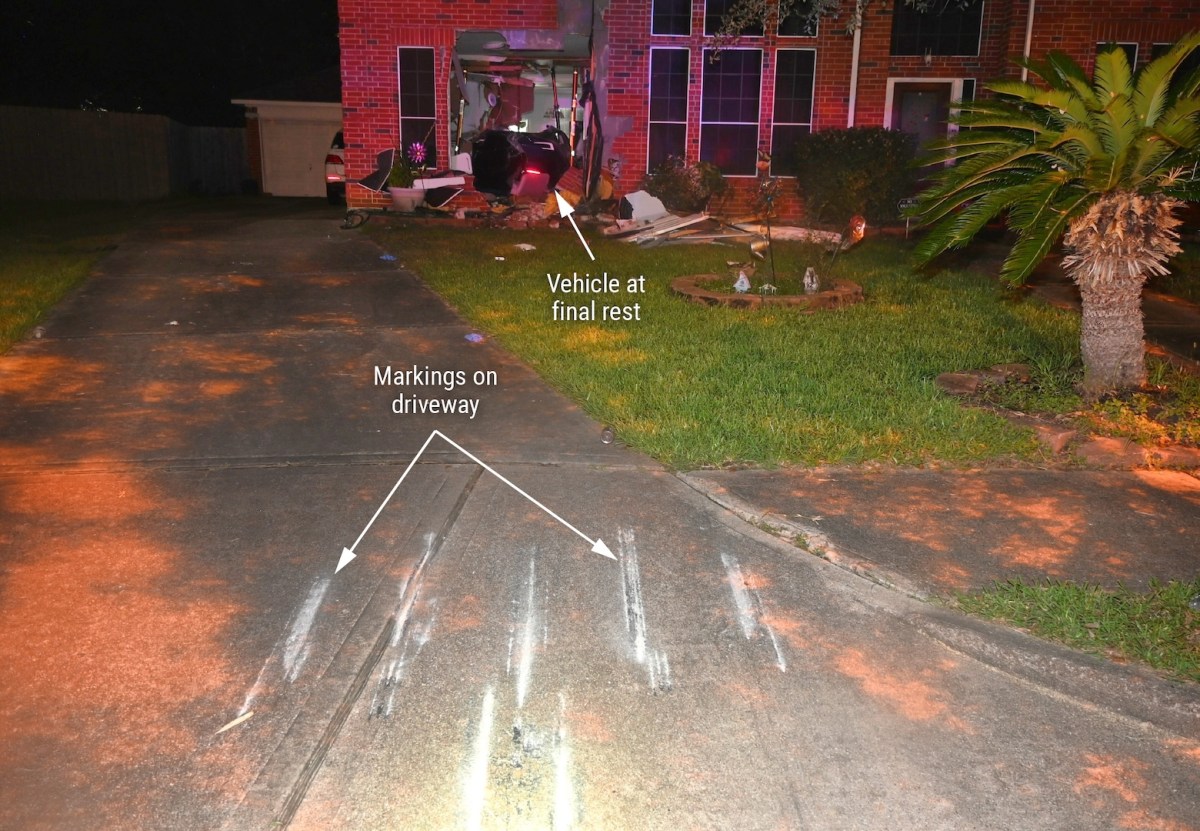
What Happened
The National Transportation Safety Board (NTSB) has confirmed that the Tesla involved in a fatal crash in Texas was driven with the accelerator fully pressed. This revelation aligns with Tesla's initial account of the incident, which was shared shortly after the accident occurred last month.
Why It Matters
The confirmation from the NTSB raises significant questions about vehicle control and driver responsibility in high-speed crashes involving electric vehicles. This incident may influence future discussions about safety regulations, especially for autonomous driving technologies. As Tesla and other manufacturers push the boundaries of vehicle automation, understanding driver behavior in critical situations becomes increasingly important.
Context
Tesla has been under scrutiny for its Autopilot system and other advanced driving features. This crash adds to the ongoing debate regarding the safety of automated driving technologies and the assumption of driver control. Previous incidents involving Teslas and other vehicles using similar technologies have prompted investigations and calls for clearer guidelines on their usage.
What It Means
The NTSB's findings could have far-reaching implications for Tesla and the broader automotive industry. As electric and autonomous vehicles continue to gain popularity, understanding the dynamics of driver interaction with these technologies is vital. This incident may lead to enhanced safety measures, more rigorous testing requirements, and potentially stricter regulations to ensure that drivers remain engaged and in control during critical driving situations.