What Happened
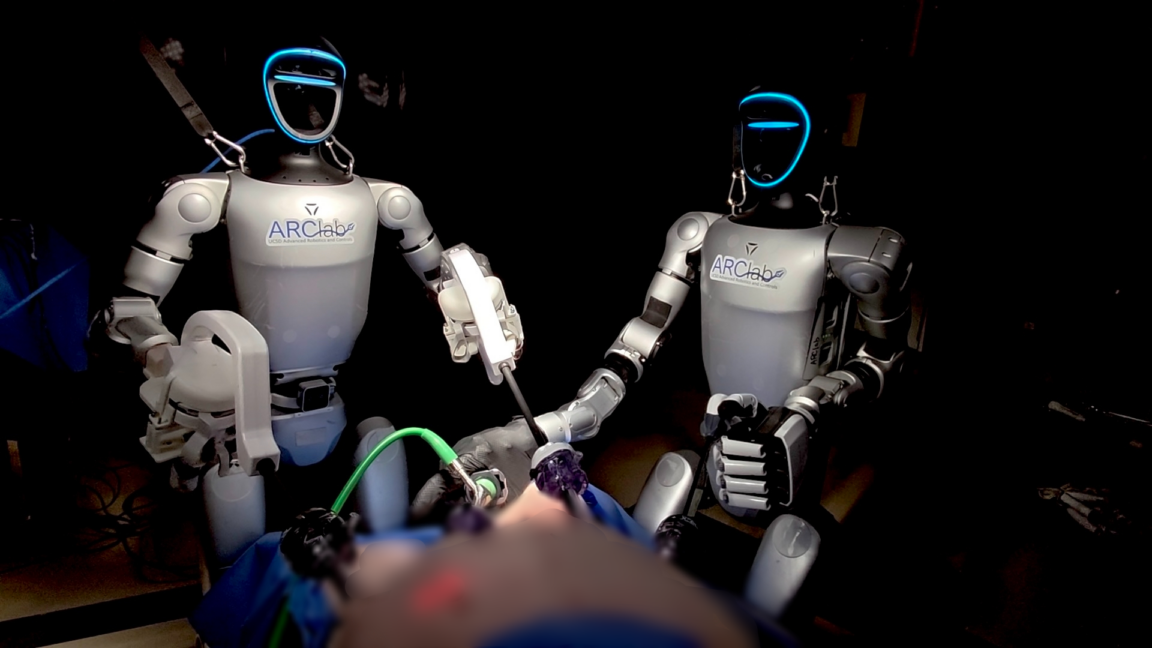
In an unprecedented medical experiment, humanoid robots successfully performed minimally invasive surgeries by removing gallbladders from live pigs. Unlike autonomous machines, these robots were controlled remotely by skilled human surgeons, showcasing a new level of collaboration between humans and robots in the surgical field.
Why It Matters
This innovative approach could revolutionize surgical practices in smaller hospitals and clinics that may not have access to expensive robotic surgical systems. With the potential to reduce costs and the physical footprint required in operating rooms, these humanoid robots could be deployed in various settings, including rural areas, military fields, and even space missions.
Context
The preclinical trial, published in the journal Nature, marks a significant step forward in the integration of robotics in medicine. While robotic-assisted surgery has been around for some time, this experiment highlights a shift towards using humanoid robots as tools that enhance surgical capabilities rather than replace human expertise.
What It Means
If this technology proves to be clinically viable for human patients, it could democratize access to advanced surgical care, making it more widely available. The ease of deploying these humanoid robots could lead to better surgical outcomes in resource-limited environments, providing a much-needed solution in both urban and remote healthcare settings.