What happened
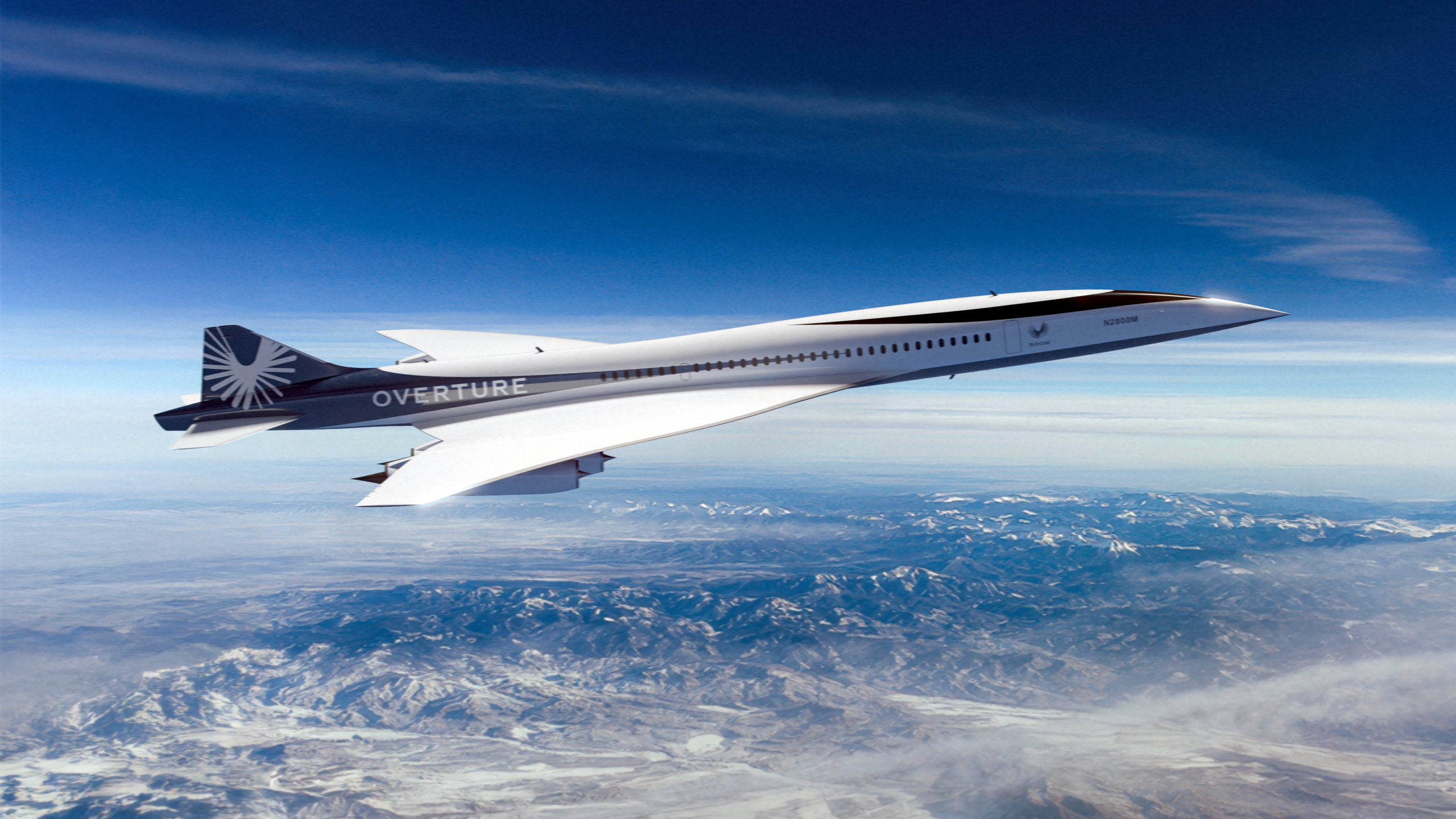
The US Federal Aviation Administration (FAA) has proposed a significant change to the long-standing ban on commercial supersonic flights over US cities. This proposal could allow supersonic airliners to operate across the country, provided they can minimize the disruptive sonic booms typically associated with such speeds.
Why this matters
If approved, this rule could revolutionize air travel, significantly reducing flight times across the US. The potential return of supersonic airliners presents an exciting opportunity for airlines and travelers alike, as faster travel could become a reality. However, achieving the required noise standards could pose challenges for manufacturers and may influence how these aircraft are designed.
Context
The ban on overland supersonic flights dates back to 1973, following concerns about the noise impact on populated areas. The decision was influenced by previous military tests that demonstrated the disruptive effects of sonic booms in cities. The Trump administration initiated efforts to repeal this ban, leading to the current proposal, which builds on advancements demonstrated by Colorado-based startup Boom Supersonic.
What this means
The proposed rule introduces a noise-based certification standard that would require sonic boom overpressure at the ground level to remain below 0.11 pounds per square foot. This standard aims to ensure that the return of supersonic flights does not bring back the sonic booms that led to the original ban. If successful, this initiative could set the stage for a new era in aviation, where supersonic travel becomes a normal part of air travel in the US, reshaping the industry's landscape.