What Happened
A recent A/B test was conducted to evaluate the effectiveness of a free 7-day trial for a book summary app. Half of the users were offered this trial, which required a credit card, while the other half received two free summaries upon signing in. The results uncovered some surprising user behaviors and preferences.
Why It Matters
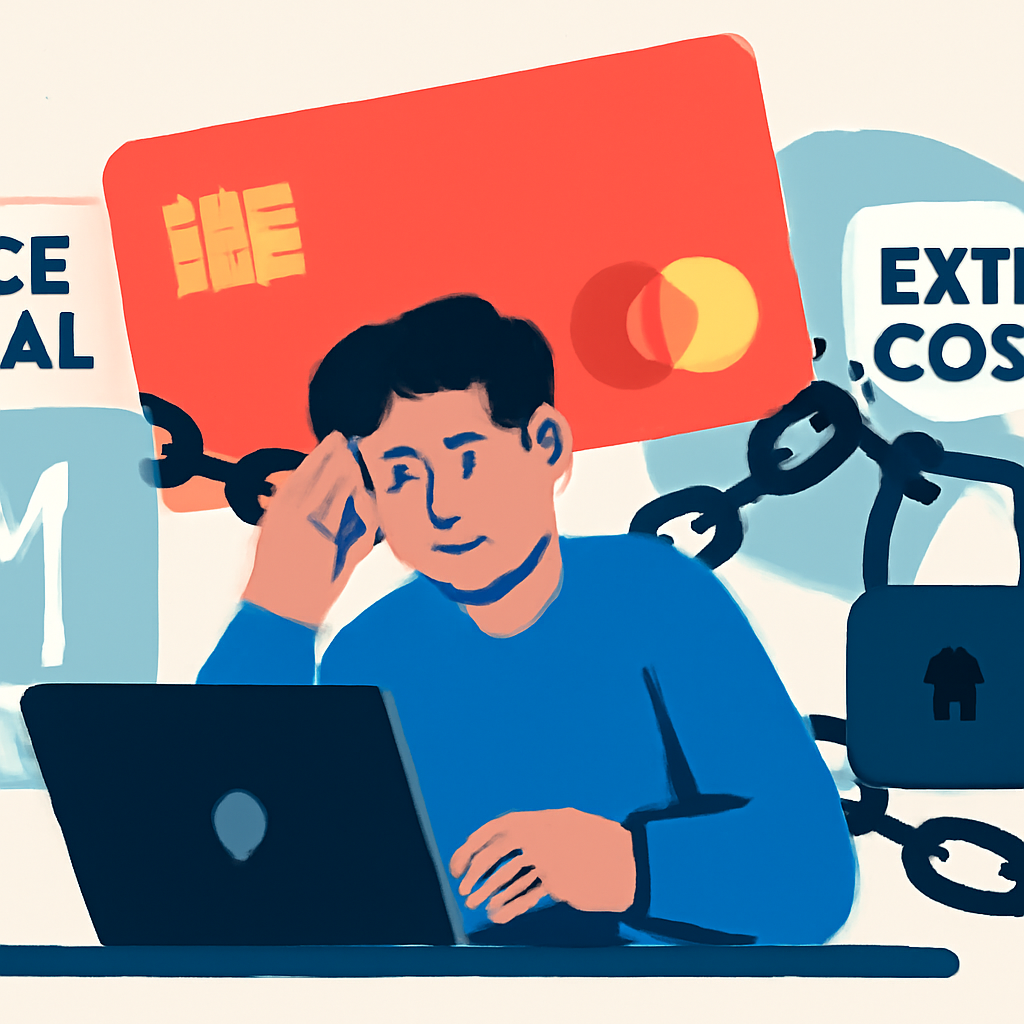
The findings from this experiment raise important questions about user trust and engagement. A staggering 60% of users who signed up for the free trial provided either fake credit card information or cards that couldn't be charged after the trial period. In contrast, the approach of offering two free summaries resulted in higher revenue as users were more inclined to pay for additional content after experiencing the initial offering.
Context
Free trials have become a common practice among subscription-based services. They are often seen as a way to attract new users and convert them into paying customers. However, the reliance on credit card information can create barriers and distrust, leading to the use of false information as users may be hesitant to commit financially without more substantial initial value.
What It Means
This A/B test suggests that offering immediate value, like free summaries, may be a more effective strategy than requiring a credit card for a trial period. Users seem more willing to engage when they receive something of tangible worth upfront. This could indicate a shift in how companies should approach user acquisition, focusing on genuine value rather than traditional trial offers that might deter potential customers due to trust issues.