What happened
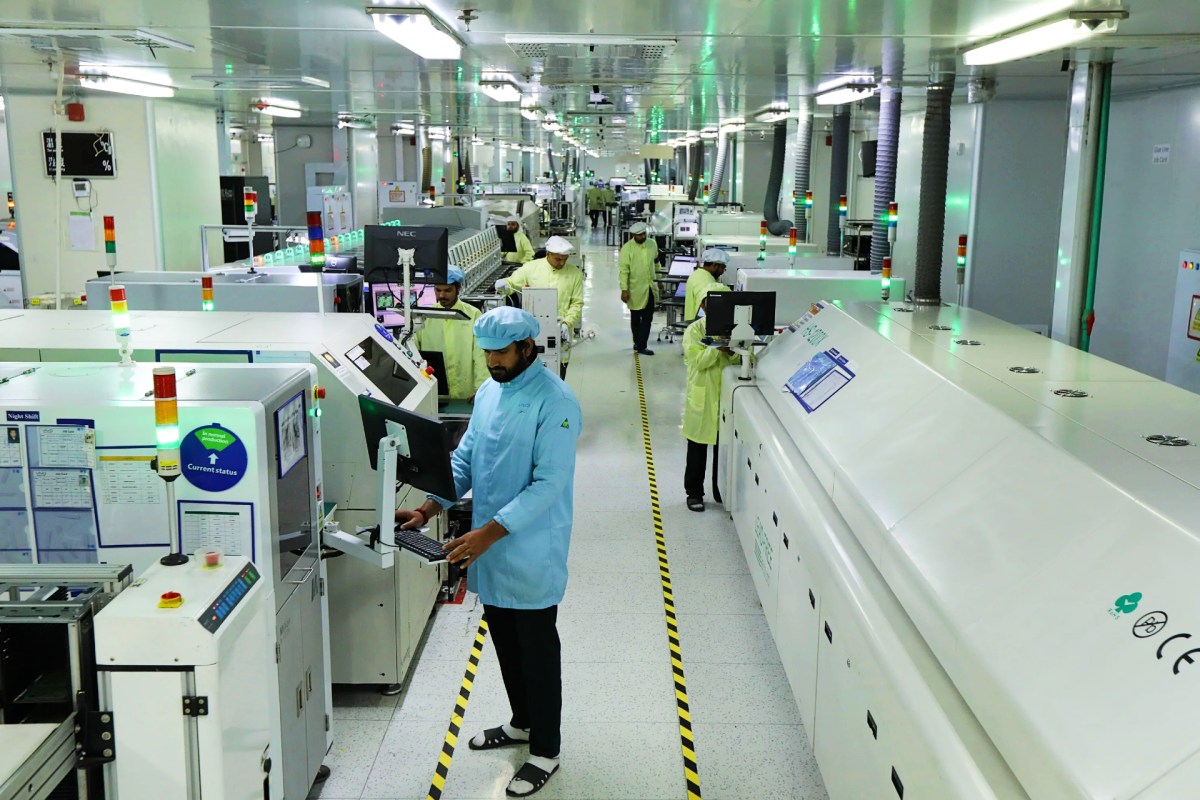
Two of South Korea's major tech companies have announced a staggering investment of over $550 billion aimed at boosting their memory chip production capabilities. This initiative is part of a broader strategy to address the growing demand for memory chips, particularly in the burgeoning field of artificial intelligence (AI). The move is seen as a response to an impending shortage of memory resources, often referred to as 'RAMageddon.'
Why this matters
The commitment to expand memory chip fabrication facilities is crucial for South Korea, especially as the country aims to solidify its position as a leading player in AI technology. Memory chips are essential for powering AI applications, and with the increasing reliance on AI across various sectors, this investment could enhance South Korea's competitiveness in the global tech market. Furthermore, this initiative may help mitigate supply chain issues that have plagued the industry, ensuring a more stable supply of critical components for tech companies worldwide.
Context
Historically, South Korea has been a dominant force in the semiconductor industry, with companies like Samsung and SK Hynix leading the charge. The memory chip market has faced volatility due to fluctuating demand and supply chain disruptions, particularly during the COVID-19 pandemic. As AI technology has rapidly advanced, the need for high-capacity memory solutions has surged, prompting these companies to respond proactively to avoid future shortages.
What this means
The large-scale investment signifies a strategic pivot for South Korea, not only to secure its dominance in the semiconductor market but also to foster innovation in AI technologies. By significantly ramping up memory chip production, South Korean tech giants are positioning themselves to meet the demands of a future increasingly reliant on AI. This could lead to advancements in various sectors, from healthcare to automotive, as more companies seek to leverage AI capabilities. Ultimately, this bold move could reshape the global tech landscape and set new standards for memory chip production in the coming years.