What Happened
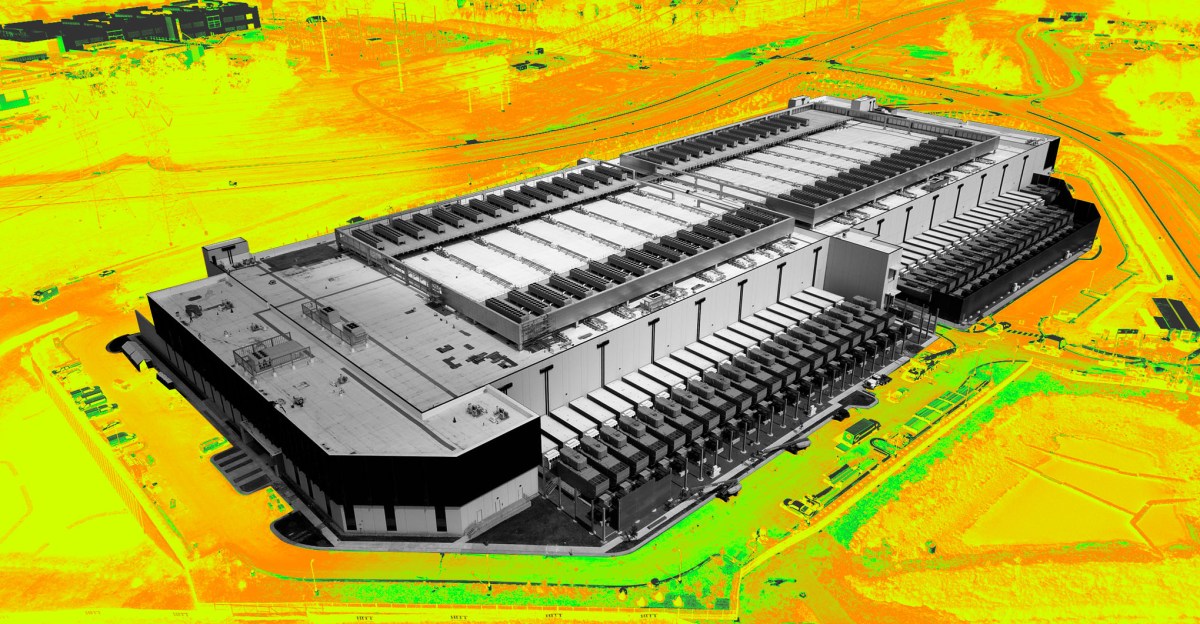
Manufacturers in the Rust Belt are grappling with sharply rising electricity costs, largely driven by the increasing energy demand from data centers. This surge in demand is straining the power grid operated by PJM Interconnection, which serves a 13-state region in the U.S. Notably, companies like Belden Brick in Ohio have seen their monthly electricity bills skyrocket from $1,600 to a staggering $12,000 due to higher capacity charges.
Why It Matters
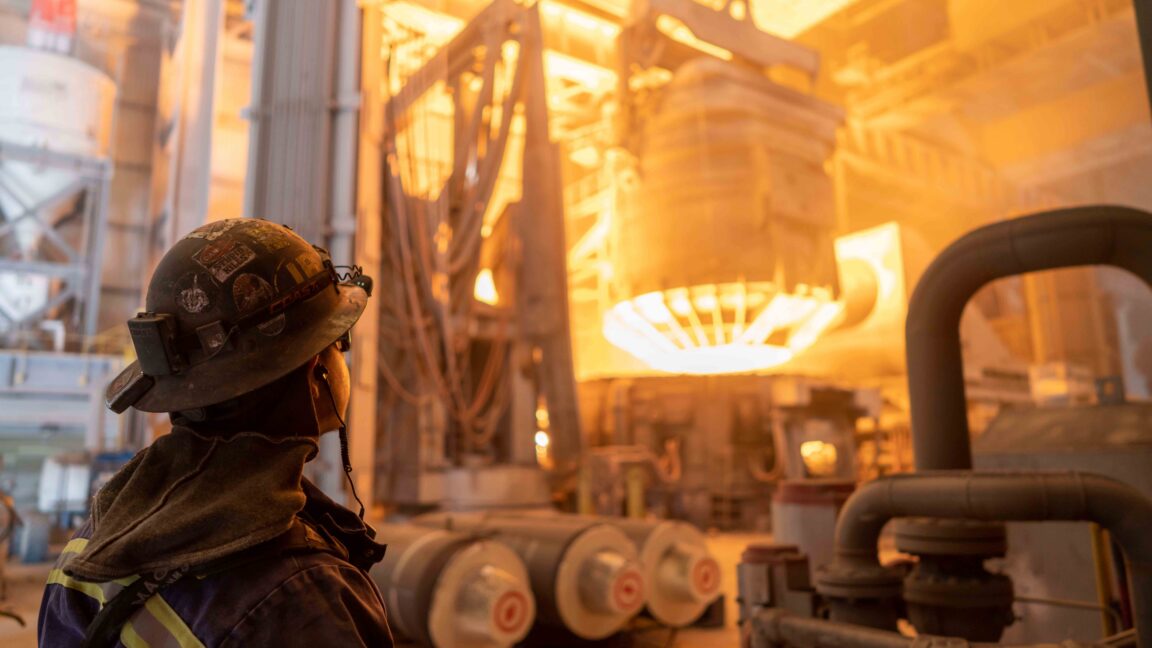
The rising costs of electricity are squeezing profit margins for manufacturers, particularly in the steel and brick industries. The Steel Manufacturers Association has reported that U.S. steel companies, which contribute significantly to the economy in the Rust Belt, are facing tens of millions of dollars in additional electricity expenses each year. This financial strain could undermine President Trump's “Made in America” plan, which aims to boost domestic manufacturing and create jobs.
Context
Historically, the Rust Belt has been a hub for manufacturing in the U.S., but it has struggled in recent decades due to various economic pressures. The current surge in energy demand from data centers, fueled by the booming tech industry and AI innovations, adds another layer of complexity to the challenges these manufacturers face. As electricity becomes increasingly expensive, the viability of many traditional manufacturing operations is called into question.
What It Means
The growing energy demand from data centers not only affects the bottom line for manufacturers but also poses a significant challenge to the overarching goal of revitalizing American manufacturing. As electricity costs continue to rise, companies may have to make difficult decisions about scaling back production or passing costs onto consumers. This scenario could hinder the progress of Trump's manufacturing agenda and potentially stifle job growth in key industrial regions.