What Happened
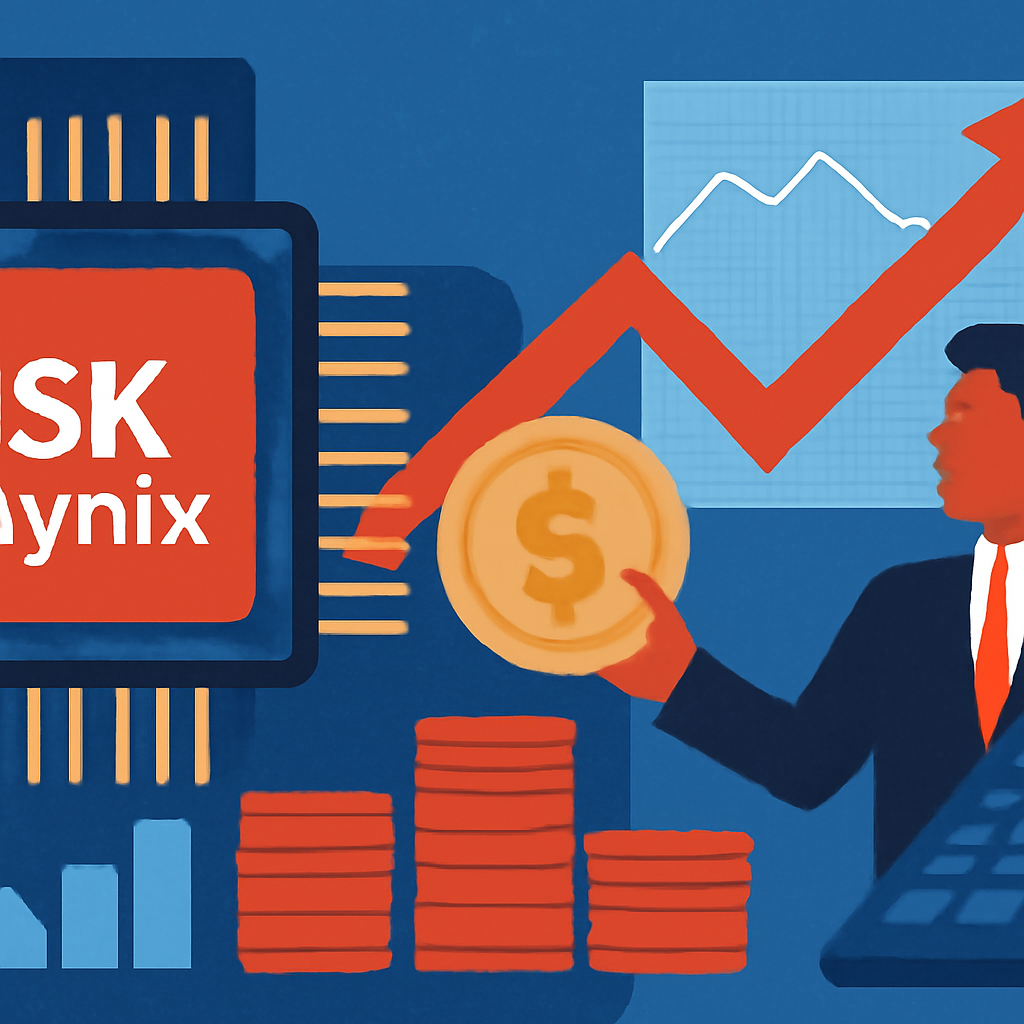
SK Hynix is making headlines by planning a massive $29 billion initial public offering (IPO) on Nasdaq, despite not actually needing the funds. This offering comes at a precarious time when the semiconductor market is experiencing a selloff, largely triggered by Samsung's recent actions, impacting other major players like Micron and Western Digital.
Why It Matters
The timing of this IPO raises questions about market confidence in the semiconductor sector. While SK Hynix is profitable and holds a significant cash reserve of over 35 trillion won, its decision to raise capital during a downturn could suggest a strategic test of market strength. The offering could be the second-largest in U.S. history, and its success might indicate whether institutional investors still see value in the memory and AI infrastructure despite current volatility.
Context
Historically, market reactions to company announcements can be extreme, especially in the technology sector. Last month, a simple comment from SK Hynix about possibly slowing AI memory expansion caused a significant drop in the Korean stock market. Analysts have noted that such sharp reactions are reminiscent of past bear markets, highlighting the fragility of investor sentiment in the current landscape.
What It Means
The oversubscription of SK Hynix's IPO indicates that there is still strong institutional demand for its shares, even amid a selloff. This could be interpreted as a vote of confidence in the long-term potential of the memory and AI markets. However, the true test will come once trading begins; if early investors quickly sell off their shares, it may signal a lack of confidence despite the initial enthusiasm. Ultimately, how this IPO performs could reveal much about the current state of the semiconductor market and its future trajectory.