What Happened
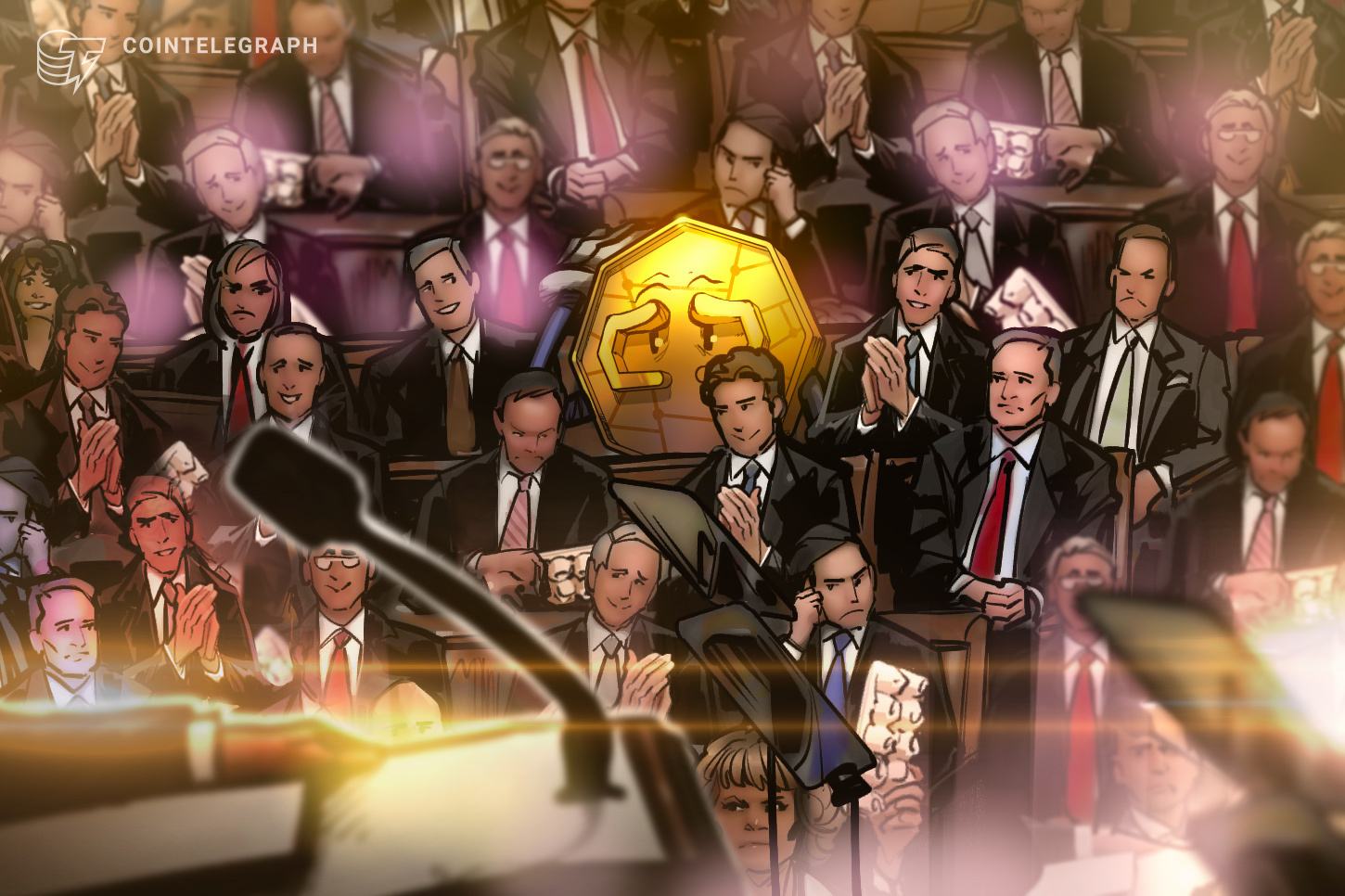
During a recent Senate Judiciary Committee hearing, President Trump’s nominee for Attorney General faced significant pushback regarding his stance on cryptocurrency. Critics expressed that his approach could undermine the efforts of the existing crypto enforcement unit, which has been pivotal in regulating the burgeoning digital asset market. Additionally, the nomination was further complicated by discussions surrounding a controversial pardon for Changpeng Zhao, the former CEO of Binance, a major player in the crypto space.
Why It Matters
The nomination of a new Attorney General is crucial for shaping the regulatory landscape for cryptocurrencies in the United States. With the crypto market becoming increasingly mainstream, the effectiveness of regulatory bodies in enforcing laws is paramount for investor protection and market integrity. Critics argue that dismantling the crypto unit could lead to a regulatory vacuum, potentially inviting fraudulent activities and destabilizing the market. Furthermore, the pardon of Zhao raises questions about accountability and the message it sends about regulatory compliance in the sector.
Context
The crypto industry has been under intense scrutiny from regulators over the past few years, with various high-profile cases highlighting the need for robust enforcement mechanisms. The establishment of specialized units within law enforcement agencies was a response to the rapid growth of digital currencies and the associated risks. Zhao’s pardon has sparked debates not only about individual accountability but also about the broader implications for regulatory practices in the crypto industry.
What It Means
The concerns raised by the Senate Judiciary Committee indicate a potential shift in the approach to cryptocurrency regulation if Trump’s nominee is confirmed. A weakened enforcement unit could lead to less oversight, which might benefit some players in the market but could also expose investors to increased risks. The situation calls for a careful evaluation of how regulatory bodies can adapt to the evolving landscape of digital assets while still maintaining accountability and protecting consumers.