What happened
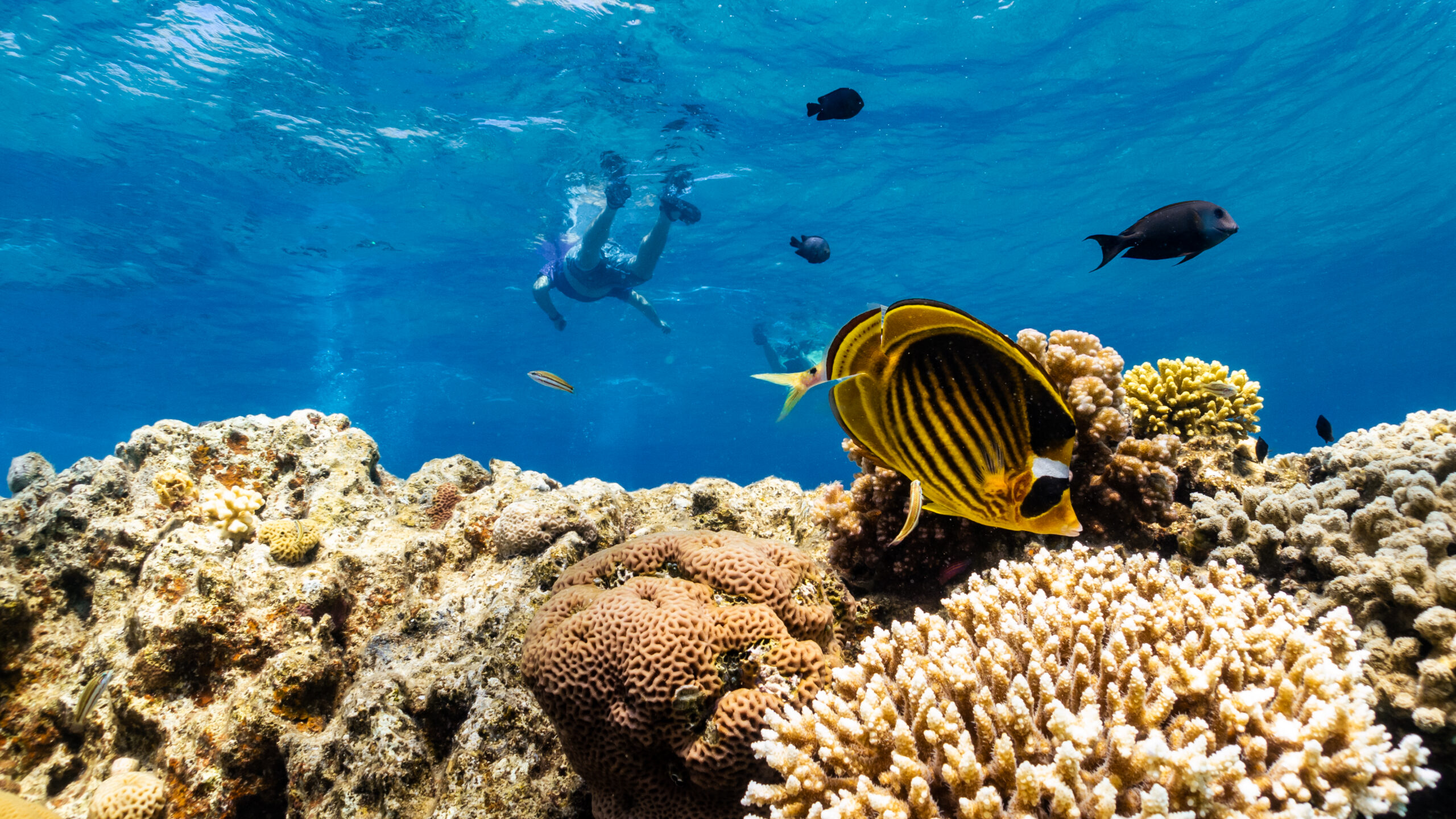
Scientists are investigating coral reefs in the Marshall Islands, utilizing advanced technology like an unmanned surface vehicle named Yellowfin. This robot assists researchers in navigating the lagoon while they search for coral species that can survive the increasing heat caused by climate change.
Why this matters
Coral reefs are vital ecosystems that support marine biodiversity and protect coastlines. As global temperatures rise, many coral species face bleaching and death, which threatens not only the reefs themselves but also the livelihoods of millions who depend on them. Discovering resilient reefs could provide crucial insights into conservation strategies and help mitigate the impacts of climate change.
Context
Coral bleaching events have become more frequent due to rising sea temperatures, with many reefs around the world suffering significant losses. Scientists have long been concerned about the future of these ecosystems and have started to explore various methods to identify coral species that may have adapted to higher temperatures. Advances in technology, such as autonomous underwater vehicles, are enhancing researchers' ability to study and monitor these fragile environments.
What this means
The ongoing research could lead to a better understanding of how certain coral species manage to survive in warmer waters. This knowledge may be key in developing strategies for reef restoration and conservation in the face of climate change. By pinpointing and protecting these resilient reefs, scientists hope to ensure the survival of coral ecosystems for future generations.