What happened
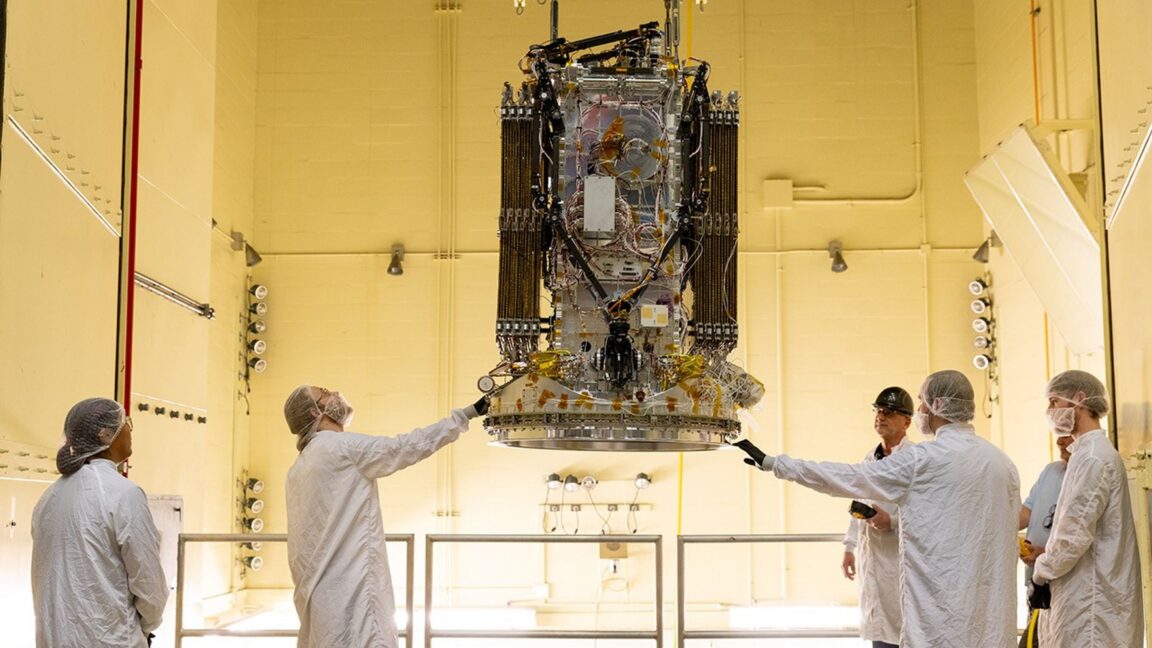
NASA recently initiated a groundbreaking mission to save the Swift satellite, which is critical for astronomical observations and is currently at risk of re-entering Earth's atmosphere. The agency challenged three companies to devise a solution within a tight timeframe and budget. Katalyst Space Technologies, a relatively new startup, stepped up to the plate, proposing a plan to capture Swift and boost its orbit using a specially designed spacecraft.
Why this matters
The Swift satellite has been instrumental in studying gamma-ray bursts and other cosmic phenomena, making its successful operation vital for ongoing astronomical research. If Swift were to crash, it would not only result in a financial loss of $500 million but also a significant setback for scientific progress. This mission represents a pioneering step in satellite servicing and could pave the way for future rescue operations, highlighting the importance of innovation in space technology.
Context
Launched in 2004, Swift has provided invaluable data over the years, but its orbit is degrading due to atmospheric drag. NASA's decision to pursue a rescue mission reflects a growing recognition of the need for sustainable practices in space, particularly as more satellites are launched and space debris continues to accumulate. Katalyst's contract, awarded just months after the initial proposal, showcases the agency's commitment to rapid development and collaboration with private industry.
What this means
The success of Katalyst's mission could redefine how we approach satellite maintenance and rescue operations. If they can successfully capture Swift and elevate its orbit, it may lead to similar missions for other endangered satellites, enhancing our ability to maintain crucial space infrastructure. Conversely, if the mission fails, it could deter future investments in satellite servicing technologies, casting a shadow over the potential for private-public partnerships in space exploration.