What Happened
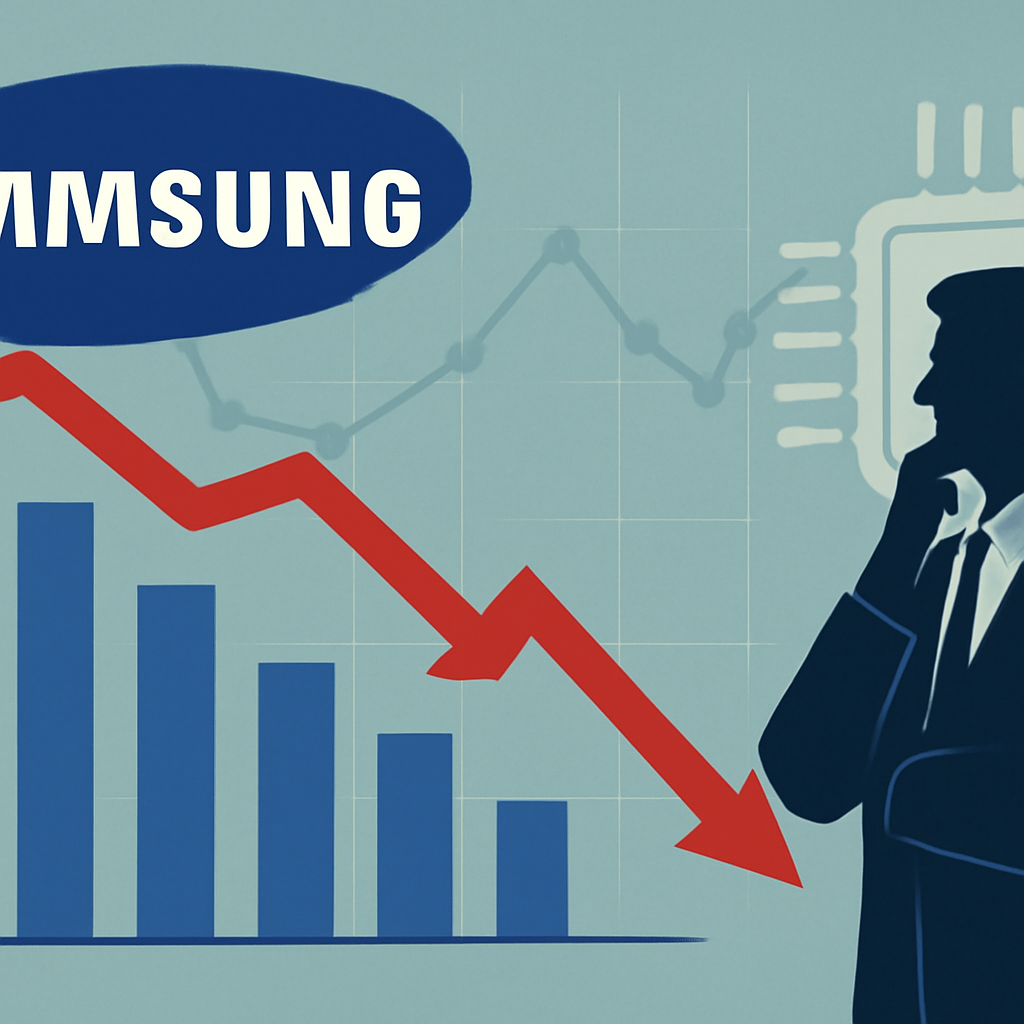
Samsung has reported a staggering operating profit of approximately $58.4 billion for the second quarter, marking a jaw-dropping increase of about 1,810% compared to the same period last year. Despite this impressive performance, Samsung's stock saw a decline of nearly 7%, dragging down the entire semiconductor market, with significant losses reported by major players like Intel, Applied Materials, and AMD.
Why It Matters
The disconnect between profit and stock performance highlights a classic phenomenon known as 'sell-the-news.' Analysts had long anticipated a record quarter from Samsung, leading to a substantial stock run-up of about 150% earlier in the year. As a result, when the actual results were revealed, they failed to exceed inflated expectations. Additionally, the semiconductor sector is experiencing volatility, as the market reacts not only to Samsung's results but also to broader economic concerns about AI spending cuts from major cloud companies.
Context
Samsung's record profit reflects an ongoing trend within the memory chip market, characterized by rising prices rather than increased volume in sales. This situation is reminiscent of past cycles, such as the memory boom of 2018, which saw soaring profits soon followed by a sharp decline in prices. The memory chip market is particularly sensitive to demand fluctuations, especially with the burgeoning AI sector.
What It Means
Interestingly, Samsung is currently trading at a low multiple of about 5 times its forward earnings, significantly below its historical average of 14 times. This valuation raises questions about whether the current pricing reflects a genuine investment opportunity or if it is indicative of deeper issues in the memory market. The company's commitment to significant investments, such as a new factory costing approximately 400 trillion won, suggests a long-term growth strategy, but it also raises concerns about how sustainable current pricing levels will be in the face of potential reduced demand. Investors are left grappling with whether the current market sentiment accurately reflects Samsung's underlying business strength or if caution is warranted given historical precedents.