What Happened
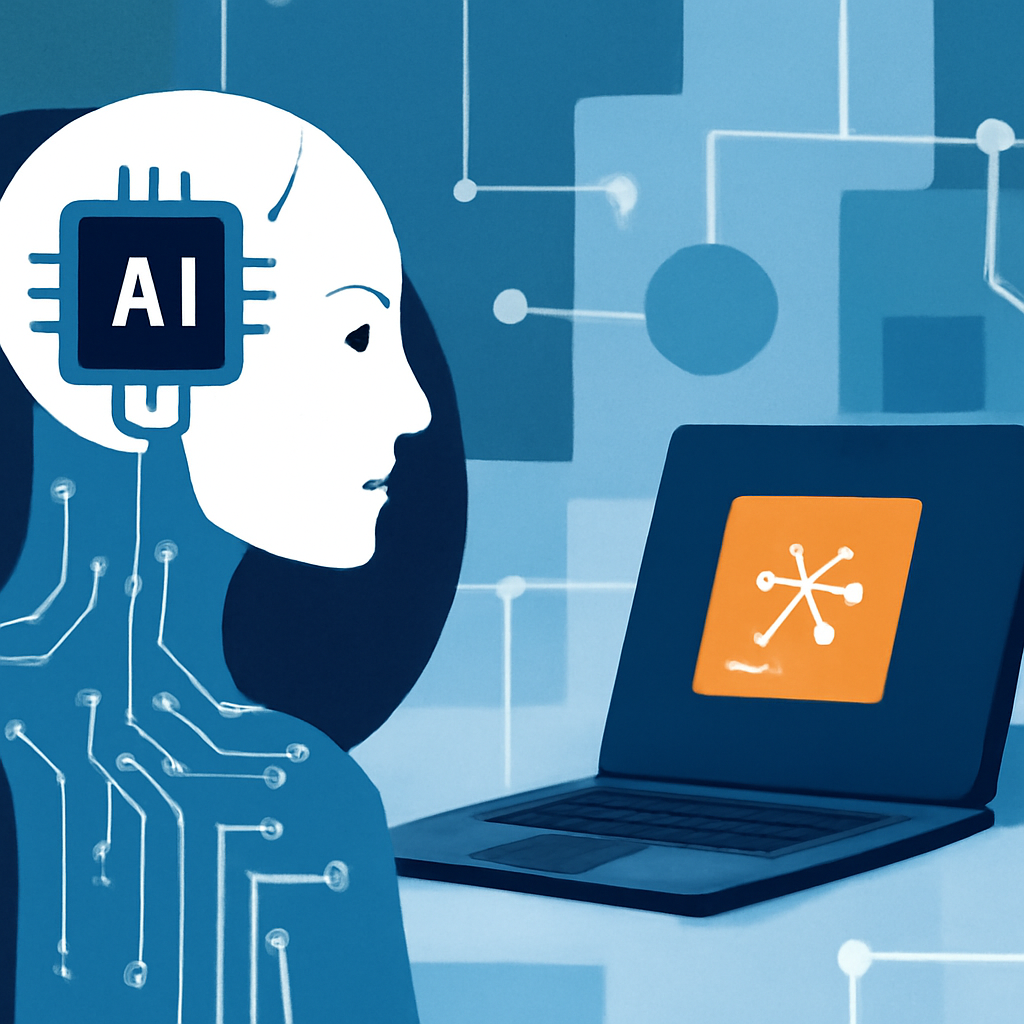
Samsung, a renowned electronics manufacturer, has announced the development of a 4nm AI accelerator called GAIA through its LSI division. This chip will be fully independent and designed for use in personal computers, unlike competitors' solutions where neural processing units (NPUs) are integrated into the main processor.
Why This Matters
The introduction of GAIA could significantly change the PC market by providing new opportunities for artificial intelligence. If tests being conducted with HP and Lenovo prove successful, it could lead to widespread adoption of AI technologies in everyday user tasks. The implementation of such chips may also mean that PCs will become more powerful and capable of performing computation-intensive tasks in less time.
The Context
Currently, companies like Intel, AMD, and Qualcomm are using integrated solutions where the NPU is merely a part of the overall processor. This limits the potential for specialized AI-related computations. Samsung aims to address this issue by creating a separate chip, which enhances performance and optimizes energy consumption.
What This Means
If Samsung successfully rolls out GAIA and begins mass production by 2027, it could usher in a new era in PC design. Users will benefit from more powerful and efficient devices capable of handling tasks that previously required significant computational power. This may also impact competition in the industry, forcing other manufacturers to adapt to new standards and performance requirements.