What Happened
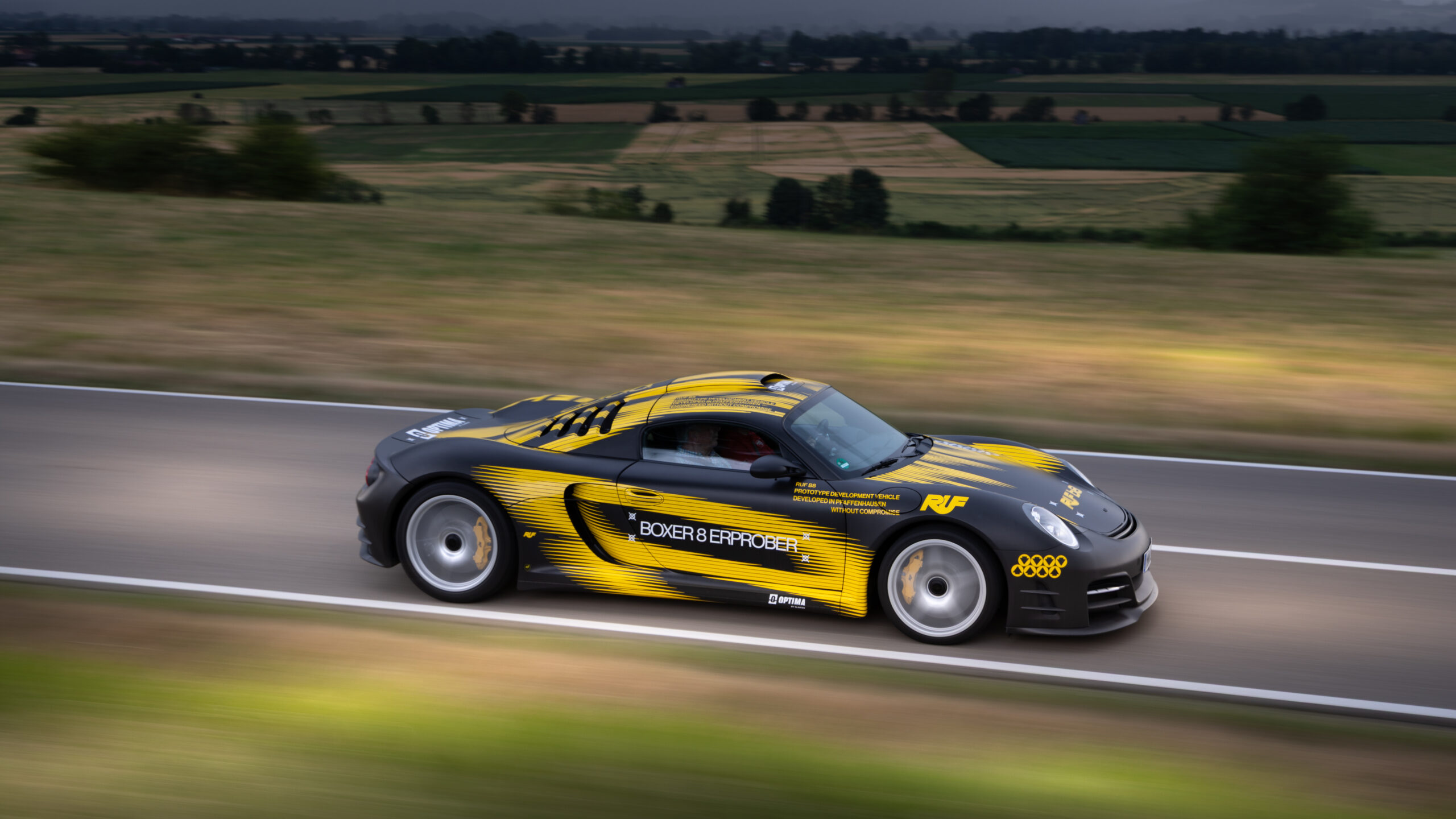
Ruf, a company known for its tuning of Porsches, has taken a significant leap forward by unveiling a new flat-eight engine during the Goodwood Festival of Speed. This marks a new chapter for Ruf, as they move beyond their roots as a tuner and showcase their capabilities as an independent manufacturer with their own innovative designs.
Why It Matters
The introduction of the flat-eight engine signifies Ruf's evolution in the automotive industry. As they shift from modifying existing Porsche models to developing their own vehicles, this new engine could enhance performance and set new standards in the sports car market. This innovation could attract enthusiasts and collectors, further solidifying Ruf's reputation as a serious player in the automotive world.
Context
Ruf's journey began as a tuner of Porsche cars, but over the years, the company has earned recognition as an independent manufacturer in Germany. Their first significant model, the BTR in 1983, was the first to feature a Ruf vehicle identification number, distinguishing it from standard Porsche vehicles. Over the years, Ruf has introduced various models, including the CTR3, which showcased their ability to create mid-engine designs and custom chassis in collaboration with Multimatic. More recently, Ruf has focused on building all-carbon monocoque chassis for models like the SCR and Rodeo, which still resemble classic Porsche designs.
What It Means
The launch of the flat-eight engine could represent a turning point for Ruf, as it signals their commitment to innovation and performance beyond traditional Porsche frameworks. By developing unique engines that diverge from the familiar six-cylinder configurations, Ruf is positioning itself to redefine its identity in the automotive landscape. This move could lead to new models that stand apart in both design and engineering, attracting a new generation of car enthusiasts and collectors looking for something fresh and exciting in the high-performance segment.