What happened
Earth scientists have recognized since the 1980s that the weathering of rocks plays a crucial role in absorbing carbon dioxide (CO2) from the atmosphere, thereby influencing the planet's climate over long periods. However, new research has introduced a twist in this understanding: erosion can also release CO2 by breaking down organic carbon found in sediments. This study investigates how these opposing processes interact and their overall impact on climate.
Why this matters
The findings from the study are significant because they highlight a dual role of erosion in climate dynamics. While rock weathering is known to remove CO2, the release of CO2 from organic carbon weathering complicates this picture. Understanding this balance is vital, especially in the context of contemporary climate change, where natural processes and human activities are both contributing to CO2 levels in the atmosphere.
Context
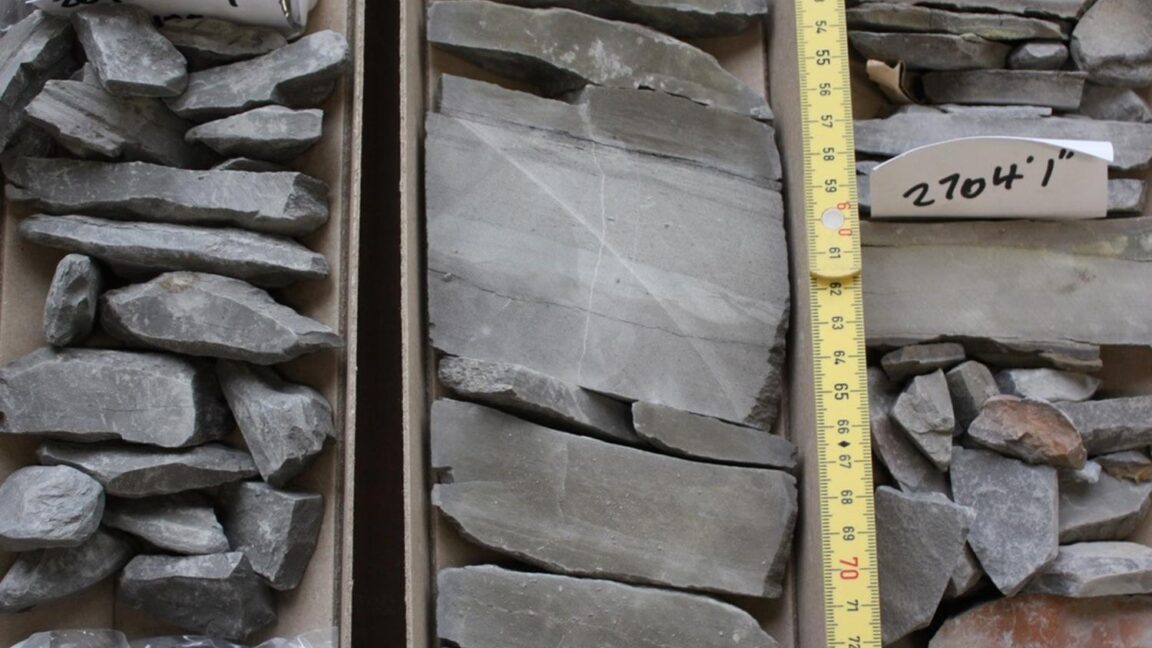
The study, conducted by Doctor Madeleine Stow and her team, focused on a historical event known as the Toarcian Ocean Anoxic Event, which occurred about 183 million years ago during the Jurassic period. This period was marked by significant volcanic activity and a notable rise in global temperatures. By examining this ancient event, the researchers aimed to draw parallels to current climate challenges and the role of natural processes in regulating atmospheric CO2.
What this means
The research suggests that erosion and weathering processes have played a more complex role in climate regulation than previously thought. The amplification of warming due to the release of CO2 from eroding organic matter during the Toarcian event indicates that similar mechanisms could be at work today. While the study sheds light on past climate dynamics, it also raises questions about how these historical patterns might inform our understanding of current climate change phenomena. The uncertain extent to which past events can predict future trends calls for further research into the interplay between rock weathering and organic carbon dynamics in shaping Earth's climate.