What Happened
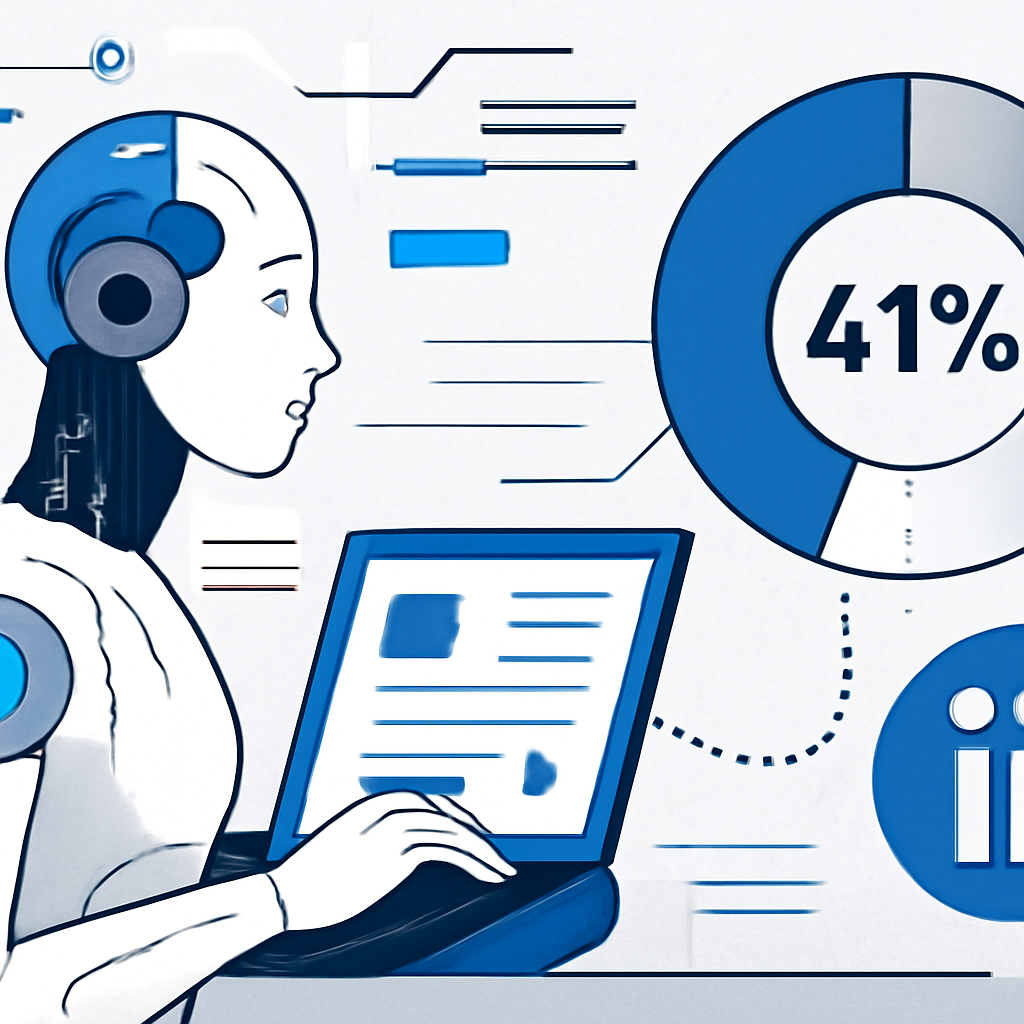
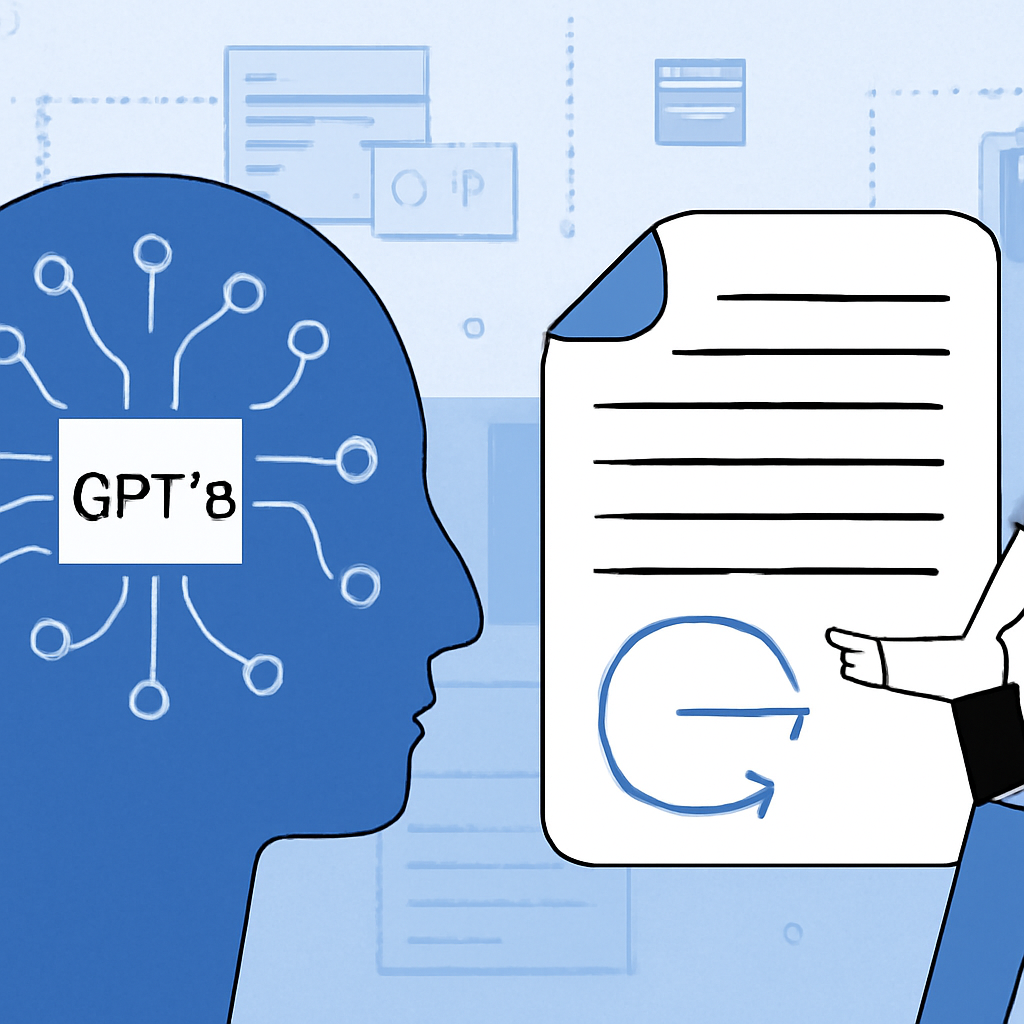
A team has developed a tool called the BABEL codec, which is the first to fully decode the inner workings of the GPT-2 small language model. This innovative codec not only reads the model's internal state and translates it into English but can also input English back into the model. Remarkably, it reconstructs 94.7% of the model's behavior across various layers and text types.
Why It Matters
The BABEL codec represents a significant advancement in understanding how language models operate. By making the model's internal processes transparent, this tool opens up new possibilities for researchers and developers. Users can now see how GPT-2 interprets sentences and generates responses, potentially leading to better model training techniques and more ethical AI usage. The availability of the model's grammar tables, lexicons, and weights for public use encourages collaboration and innovation in the AI community.
Context
Language models like GPT-2 have been pivotal in the evolution of natural language processing. Historically, these models have operated largely as 'black boxes'—users can see the input and output but not the inner workings. This lack of transparency has raised concerns about accountability and bias in AI systems. The BABEL codec marks a shift towards addressing these issues by demystifying the model's internal operations.
What It Means
With the BABEL codec, researchers and developers now have a powerful tool to dissect and understand the complexities of language models. The ability to visualize the model's decision-making processes could enhance accuracy and reduce biases in AI-generated content. This breakthrough paves the way for more responsible AI development and could lead to new methodologies in training language models, ultimately fostering a more open and collaborative AI research environment.