Что произошло
Polestar, the electric vehicle manufacturer, has been denied authorization by the U.S. Commerce Department to sell cars from model year 2027 and beyond. This decision stems from a new rule that prohibits vehicles with software from companies connected to China. As a result, future models, including the Polestar 5 sedan and the Polestar 6 roadster, will not be available in the U.S.
Почему это важно
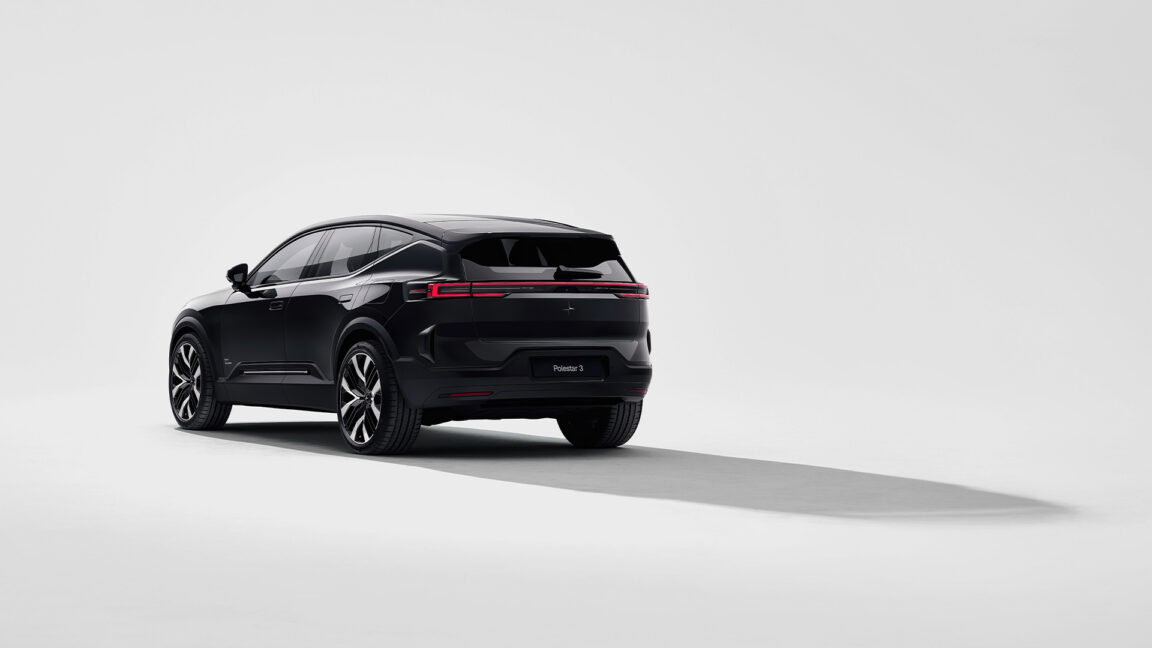
The implications of this decision are significant not only for Polestar but also for the broader electric vehicle market in the U.S. With the ban in place, Polestar will continue to sell its existing models, the Polestar 3 and Polestar 4 SUVs, but it indicates a retreat from the American market. This could lead to reduced competition in the EV sector and might affect consumer choices and pricing in the future.
Контекст
Polestar was established as a pure EV brand from Volvo Cars, which is owned by the Chinese company Zhejiang Geely Holding. This connection to China has played a crucial role in the recent regulatory decisions. The new Connected Vehicle Rule, implemented under the Biden administration, specifically targets vehicles with Chinese software, impacting Polestar's ability to operate in the U.S. market. Interestingly, just weeks earlier, Volvo was granted authorization to import its vehicles, highlighting a discrepancy in how the rules are applied to different brands.
Что это значит
The denial of authorization for Polestar raises questions about the future of Chinese-backed automotive companies in the U.S. It reflects a growing trend of regulatory scrutiny on foreign technology and its implications for national security. For consumers, this could mean fewer options in the electric vehicle market and potentially higher prices due to decreased competition. The situation underscores the complex landscape of international trade and technology, particularly in the rapidly evolving automotive sector.